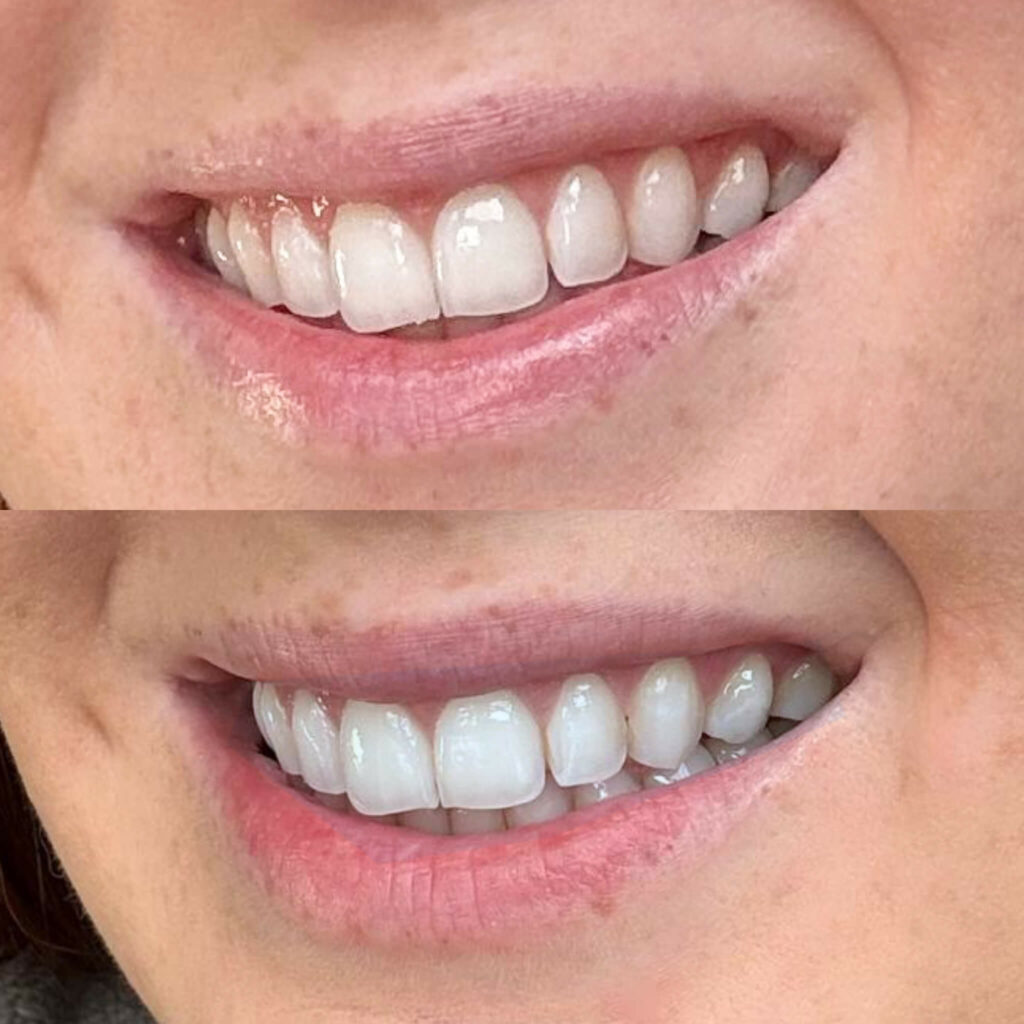
Short Answer
Achieving a bright and radiant smile is a universal aspiration, and the cosmetic dentistry industry has seen the emergence of numerous products designed to cater to this demand. Among the most accessible options are whitening strips, which have gained immense popularity due to their convenience and effectiveness. However, many individuals ponder the safety and potential repercussions of using these products. This article delves into the risks associated with whitening strips and explores safe alternatives to enhance the brilliance of your smile.
Understanding Whitening Strips
Whitening strips are typically thin, flexible pieces of plastic coated with a whitening gel that contains hydrogen peroxide or carbamide peroxide. These active ingredients work by penetrating the enamel to break down stains and discolouration. Users apply the strips to their teeth for a specified duration, generally ranging from 30 minutes to an hour, depending on the brand and strength of the formulation. With their ease of use, whitening strips allow individuals to engage in other activities concurrently, making them a popular choice for those with hectic lifestyles.
Potential Damage to Teeth
The primary concern surrounding the use of whitening strips is whether they can cause harm to dental enamel or exacerbate sensitivity. While they can be effective in achieving a whiter smile, improper use or over-reliance on these products may lead to adverse effects.
- Enamel Erosion: The acidic nature of whitening agents can potentially weaken enamel, leading to degradation over time. Enamel serves as a protective layer for teeth; once compromised, the risk of dental caries and increased sensitivity rises.
- Gum Irritation: Prolonged contact with the whitening gel can irritate the gums, resulting in inflammation or discomfort. Users should ensure that the strips are applied correctly to prevent the gel from exceeding the intended surface area.
- Increased Sensitivity: Many individuals report heightened tooth sensitivity following the use of whitening strips. This is particularly concerning for those who already experience sensitivity issues, as the strips may exacerbate discomfort during consumption of hot or cold foods and beverages.
Safe Practices When Using Whitening Strips
To minimise the risks associated with whitening strips, individuals can adopt several best practices:
- Follow Instructions: Adhering to the manufacturer’s guidelines is paramount. Users should not exceed the recommended duration or frequency of application, as this can heighten the risk of adverse effects.
- Opt for Quality Products: Not all whitening strips are created equal. Choosing reputable brands that have been clinically tested can mitigate potential harm while ensuring effectiveness.
- Consult a Dental Professional: Prior to embarking on any whitening regimen, seeking advice from a dentist is prudent. They can offer guidance based on individual dental health and recommend suitable products tailored to specific needs.
- Monitor Sensitivity: If tooth sensitivity occurs, users should halt the use of strips and consult their dentist. In cases of severe discomfort, alternative whitening methods may be necessary.
Natural Alternatives for a Brighter Smile
For those wary of chemical whitening agents, numerous natural alternatives can be employed to enhance tooth brightness without the associated risks:
- Baking Soda: Known for its mild abrasive properties, baking soda can effectively remove surface stains when used as a paste with water. This natural remedy has been favoured for generations.
- Activated Charcoal: This porous substance has garnered attention for its purported ability to absorb toxins, including those that stain teeth. Incorporating activated charcoal into your dental hygiene routine may aid in achieving a whiter smile.
- Oil Pulling: A traditional Ayurvedic practice, oil pulling involves swishing coconut or sesame oil in the mouth for several minutes. Proponents believe it removes toxins and reduces plaque build-up, resulting in a brighter appearance over time.
- Fruits and Vegetables: Crunchy fruits and vegetables like apples, carrots, and strawberries can help scrub teeth naturally as you chew. Strawberries, in particular, contain malic acid, which may aid in removing discolouration.
- Hydration: Staying adequately hydrated maintains saliva production, which is vital in naturally washing away food particles, preventing stains, and supporting enamel health.
Professional Whitening Treatments
For individuals seeking more dramatic results, professional whitening treatments administered by dental professionals are available. These treatments utilise potent whitening agents that yield rapid results, often surpassing what over-the-counter products can achieve. Additionally, dentists can provide custom-fit trays to enhance efficacy while minimising gum irritation.
It is essential to note that while professional treatments are generally safe when performed by a qualified practitioner, they may also cause temporary sensitivity. Individuals should communicate openly with their dentist regarding concerns and expectations to ensure a tailor-made approach to their whitening goals.
Conclusion
In the quest for a luminous smile, whitening strips present a convenient option, but they come with a caveat of potential risks affecting dental health. By practising safe usage, exploring natural alternatives, or seeking professional treatments, individuals can achieve a dazzling smile without jeopardising their dental well-being. Prioritising oral health in your journey to whiten your teeth can lead to sustainable results, ensuring that your smile is not only bright but also healthy.
FAQ
Can whitening strips damage my teeth?
When used correctly, whitening strips are generally safe, but overuse or improper application can lead to enamel erosion and sensitivity.
How long should I wear whitening strips?
Follow the manufacturer's instructions, typically between 30 minutes to an hour per day.
What should I do if I experience gum irritation?
Stop using the strips and consult a dental professional to prevent further irritation.
Are natural teeth whitening methods effective?
Natural methods can help remove surface stains but usually provide less dramatic results than chemical whiteners.


Leave a Reply