Short Answer
In the realm of body art, tattoos hold a special place in the hearts of many. They are not merely ink on skin; they are personal narratives, permanent memories, and an expression of individual identity. However, as with any form of skin alteration, the tattoo healing process deserves careful consideration. One question that often arises amongst the tattooed community is whether Sudocrem, a popular antiseptic cream, can be used to aid in tattoo healing. Is it a healing hero or a skin saboteur?
To unravel this enigma, we must explore several aspects: what Sudocrem is, how tattoos heal, the importance of aftercare, and the implications of applying antiseptic creams to fresh ink.
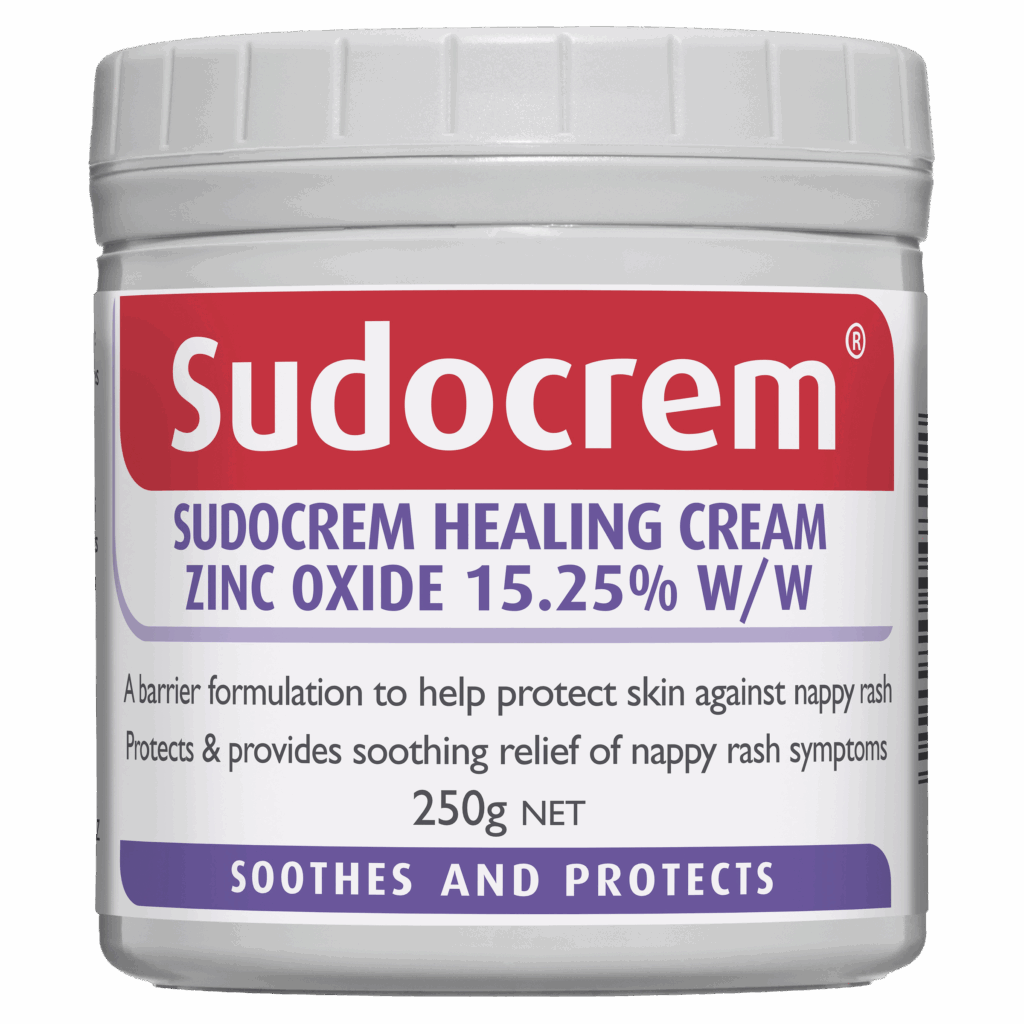
Sudocrem, a cream originally devised for nappy rash, boasts an array of beneficial properties. It contains zinc oxide, which acts as a skin protectant; benzyl alcohol, a mild anaesthetic; and other soothing agents such as lanolin and paraffin. This composition makes it effective for minor skin irritations, including abrasions and eczema. Its reputation as a reliable treatment for sensitive skin has led many to wonder if it serves a purpose beyond its traditional use, especially in the context of tattoos.
Understanding tattoo healing is crucial to appreciate the potential benefits or drawbacks of using Sudocrem on new ink. When a tattoo is created, needles puncture the skin, causing micro-trauma that initiates a healing response. The skin goes through multiple stages of healing, typically including inflammation, proliferation, and maturation. It is during the initial phase, particularly the first two weeks, that aftercare becomes paramount to ensure the longevity and vibrancy of the tattoo.
Proper aftercare involves four fundamental elements: cleanliness, moisturisation, protection, and avoidance of irritation. During the first week, avoiding sun exposure, soaking in water, and picking at scabs are critical to preventing damage to the tattoo and minimising the risk of infection. This is where the role of creams like Sudocrem could come into play. But does the application of such a product align with the principles of effective tattoo aftercare?
There are several arguments against the use of Sudocrem on fresh tattoos. Firstly, its thick texture can create a barrier that traps moisture in a way that may be detrimental to the wound-healing process. While keeping the tattoo moisturised is essential, over-hydration might encourage the growth of bacteria. A balance is key, and many tattoo artists advise using lightweight, non-comedogenic moisturisers to allow the skin to breathe.
Secondly, the lanolin and other ingredients in Sudocrem may provoke allergic reactions in some individuals, leading to redness or irritation on the sensitive area of the freshly tattooed skin. While many people use Sudocrem without issues, it’s important to remember that each skin type is unique, and what works for one person may not work for another.
Comparatively, tattoo-specific aftercare products have been formulated to cater to the unique needs of healing tattoos. These are often more lightweight and are designed to form a breathable barrier on the skin. Using dedicated products could reduce the risks associated with allergic reactions or unwanted skin conditions. Just because a cream is effective for general skin care doesn’t necessarily mean it is appropriate for the specific needs of tattoo aftercare.
Another critical factor to consider is the formula’s antimicrobial properties. While the zinc oxide in Sudocrem does offer some antibacterial benefits, it may not be sufficient to ward off infections that could arise during the critical healing stages. Therefore, ensuring that the product used supports the skin’s natural healing without contributing to bacterial growth is paramount.
Nevertheless, it’s worth noting that some enthusiasts advocate for Sudocrem’s use during the later stages of tattoo healing. Once the tattoo has healed sufficiently and the surface skin has reformed, the protective and soothing qualities of Sudocrem can be beneficial in preserving the vibrancy of the ink. In this phase, it may help alleviate any dryness or minor skin irritations that could detract from the overall appearance of the tattoo.
Ultimately, proper tattoo aftercare is steeped in individual experience and should be tailored to suit one’s specific skin and the tattoo’s requirements. Consulting with professional tattoo artists and dermatologists can provide insights into the best products to use. They often recommend gentle cleansers and specialised ointments designed specifically for tattoos, which can successfully promote healing without hindering the tattoo’s integrity.
Furthermore, staying attuned to how your skin reacts plays a crucial role in determining which products to incorporate into your aftercare routine. Each tattoo represents a unique experience and should be treated as such. While Sudocrem may work wonders for some, for others, it may not be worth the risk of irritation or complications.
In conclusion, while Sudocrem has its merits as a skin protectant, its suitability as an aftercare solution for tattoos remains contentious. As fascination with body art prevails and new trends in skincare emerge, it is essential to approach tattoo care with informed caution. The quest for flawless ink is a personal journey — one that requires understanding, patience, and a knowledgeable approach to aftercare. So, can Sudocrem be a healing hero for your tattoo? Perhaps for some, but for many, other, more tailored options may serve as the true allies in the fight against skin saboteurs.
FAQ
Can I use Sudocrem on a new tattoo?
While some may find Sudocrem beneficial, its thick texture can trap moisture and cause complications. It’s best to consult with a tattoo artist for tailored aftercare advice.
What are the alternatives to Sudocrem for tattoo aftercare?
Tattoo-specific aftercare products are recommended as they are lightweight and designed to promote healing without interfering with ink integrity.
FAQ
Can I use Sudocrem on a new tattoo?
While some may find Sudocrem beneficial, its thick texture can trap moisture and cause complications. It’s best to consult with a tattoo artist for tailored aftercare advice.
What are the alternatives to Sudocrem for tattoo aftercare?
Tattoo-specific aftercare products are recommended as they are lightweight and designed to promote healing without interfering with ink integrity.

Leave a Reply