
Short Answer
When it comes to dental health, few experiences are as bewildering or as trepidatious as the eruption of a wisdom tooth. While it seems like a rite of passage for many, the discomfort that accompanies this dental milestone can leave one pondering: how long will wisdom tooth pain truly last? This inquiry, then, unfolds into an exploration of healing timelines, pain management strategies, and the potential complications that can arise during the process.
Firstly, it’s essential to understand that the journey of wisdom tooth eruption commonly commences in the late teens to early twenties. This peculiar phenomenon involves the emergence of one’s third molars at the back of the mouth, a location that can often feel like a distant land. But much like embarking on a journey, one must prepare for the trials ahead. The initial wave of pain typically manifests as the tooth begins to exert pressure in the mouth, which may vary significantly among individuals.
The Initial Phase: Pain Starts
The first signs of discomfort can often begin weeks or even months before the wisdom tooth breaks through the gums. This discomfort, often characterised by an aching sensation or throbbing pain, may portend an impending dental event. Many find themselves asking if the pain will abate swiftly or if it promises to linger. At this juncture, one might encounter tenderness in the surrounding gums, difficulties in closing the mouth, and even swelling. A playful question arises here—are you prepared to face these sensations, and what can you do to mitigate them?
In this initial stage, effective pain management becomes paramount. Over-the-counter analgesics such as ibuprofen or acetaminophen can offer some respite from the discomfort. Additionally, warm compresses applied to the exterior of the jaw may alleviate swelling and soothe the area. Maintaining oral hygiene is also crucial during this period. While brushing and flossing may feel daunting around the tender gums, gentle care can prevent secondary issues.
From Eruption to Discomfort: The Healing Timeline
As the wisdom tooth eventually breaks through the gum line, the pain can reach a crescendo. During this eruption phase, one might grapple with increased inflammation and discomfort as the tooth struggles to settle into its intended position. The average timeline for pain during this period can range from a few days to several weeks. For some individuals, a week of intense irritation is followed by a gradual reduction in pain as the body adjusts to the presence of the tooth. Others, however, may face a protracted ordeal, necessitating further intervention.
The challenge intensifies for those whose wisdom teeth grow at awkward angles or encounter complications, often referred to as impacted wisdom teeth. This occurs when there isn’t sufficient space for the tooth to emerge, leading to exacerbated pain and the potential risk of infection. In such instances, the healing timeline can become elongated, often extending beyond the preliminary stages of discomfort.
Post-Surgical Pain and Recovery
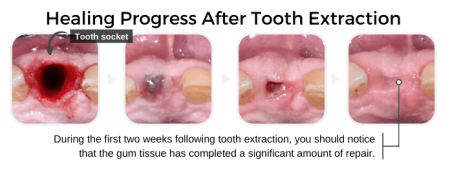
For individuals whose wisdom teeth require surgical extraction, the healing narrative transforms significantly. Post-operative pain typically peaks within the first 48 hours following surgery. Individuals may experience swelling, bruising, and heightened sensitivity in the affected area. It is not uncommon for such pain to persist for several days, with individuals experiencing gradual relief that, in most cases, aligns with the body’s healing process.
On average, noticeable improvement occurs within a week, although some may continue to experience residual effects for two weeks or longer. Here, the use of prescribed medications, alongside ice packs and saltwater rinses, plays an invaluable role in managing pain and promoting recovery. However, it is vital to remain vigilant for any signs of complications such as prolonged bleeding, fever, or increasing pain, which can signal the need for immediate dental attention.
Challenges and Complications
As one meanders through the healing process, several potential roadblocks may arise. Infections, dry sockets, and improper healing can exacerbate pain and prolong recovery. A dry socket, for instance, occurs when the blood clot that forms after extraction dislodges or dissolves before the wound has healed. The pain associated with this condition is often described as intense and can overshadow the initial discomfort from the procedure.
Staying alert to any irregularities is crucial. Should pain persist beyond a few weeks or worsen despite adherence to care instructions, a candid discussion with a dental professional is essential. The prospect of additional treatment looms, but timely intervention can often resolve complications before they escalate further.
Final Thoughts on Wisdom Tooth Pain
Ultimately, the question “How long will wisdom tooth pain last?” is not a straightforward one, as individual experiences can vary widely. For many, the discomfort tends to subside within a few days to weeks, while others may encounter protracted healing that necessitates professional care. As one navigates this unpredictable path, embracing a proactive approach toward pain management and dental health can pave the way for a smoother journey. Taking stock of one’s specific situation, remaining observant of changes, and seeking guidance when uncertainty beckons can transform a daunting experience into a manageable chapter in one’s dental narrative.
FAQ
How long does wisdom tooth pain usually last?
Pain from wisdom tooth eruption can last from a few days to several weeks depending on individual circumstances and whether the tooth is impacted or extracted.
What causes prolonged wisdom tooth pain?
Prolonged pain may be caused by impacted teeth, infections, dry sockets, or complications following surgical extraction.
What are recommended methods to relieve wisdom tooth pain?
Recommended methods include taking over-the-counter pain relievers, applying warm compresses, maintaining gentle oral hygiene, and following any post-surgical care instructions.
When is it necessary to see a dentist for wisdom tooth pain?
You should see a dentist if pain worsens, lasts longer than a few weeks, or if you experience fever, swelling, or prolonged bleeding.


Leave a Reply