Short Answer
Have you ever pondered how many bricks there are in a pallet? This seemingly simple question can lead you down a rabbit hole of fascinating calculations and considerations! If you’ve ever been enticed by the idea of constructing a brick wall or simply wish to carry out some renovations, understanding the quantity of bricks that typically make up a pallet is a foundational aspect you need to grasp. Let’s embark on this journey and unravel the mysteries behind brick quantities!
Most pallets of bricks consist of standardised sizes, commonly used across the construction industry in the UK. Generally, a single pallet can contain anywhere between 450 to 500 bricks. However, the actual number may fluctuate depending on various factors, such as the type of brick, its dimensions, and the manufacturer. Familiarising yourself with these variables is key when you’re planning to make purchases or calculations.
To facilitate a deeper understanding, let’s explore the types of bricks you might encounter, including engineering bricks, facing bricks, and common bricks. Common bricks often feature in projects where aesthetic appeal isn’t paramount. In contrast, engineering bricks are known for their exceptional durability and form a cornerstone (excuse the pun) of structural applications.
When assessing how many bricks are stacked upon a pallet, one must also take into account the dimensions of the bricks themselves. Standard bricks typically measure approximately 215mm x 102.5mm x 65mm, but variations can occur. For example, if you’re using larger format bricks, such as those that are 300mm long, the number per pallet will undoubtedly decrease. Therefore, it’s prudent to verify the size specified by the manufacturer before making assumptions or calculations.
Let’s also explore the concept of weight. An average pallet of bricks can weigh between 1,000 to 1,500 kilograms, making it essential to consider how removing bricks from a pallet may impact its stability. If you’re working single-handedly, this weight presents a unique challenge when you’re trying to transport or manoeuvre around your workspace. Proper planning can help avoid potential back-breaking scenarios.
So how do we make these calculations feasible? A straightforward method for determining how many bricks you may need involves measuring the area you wish to cover and calculating the total number of bricks required. For instance, if the area of a wall is 10 square metres, and you decide to use standard bricks, you can quickly estimate that you’ll need approximately 5,000 bricks, given that each square metre generally requires around 50 bricks.
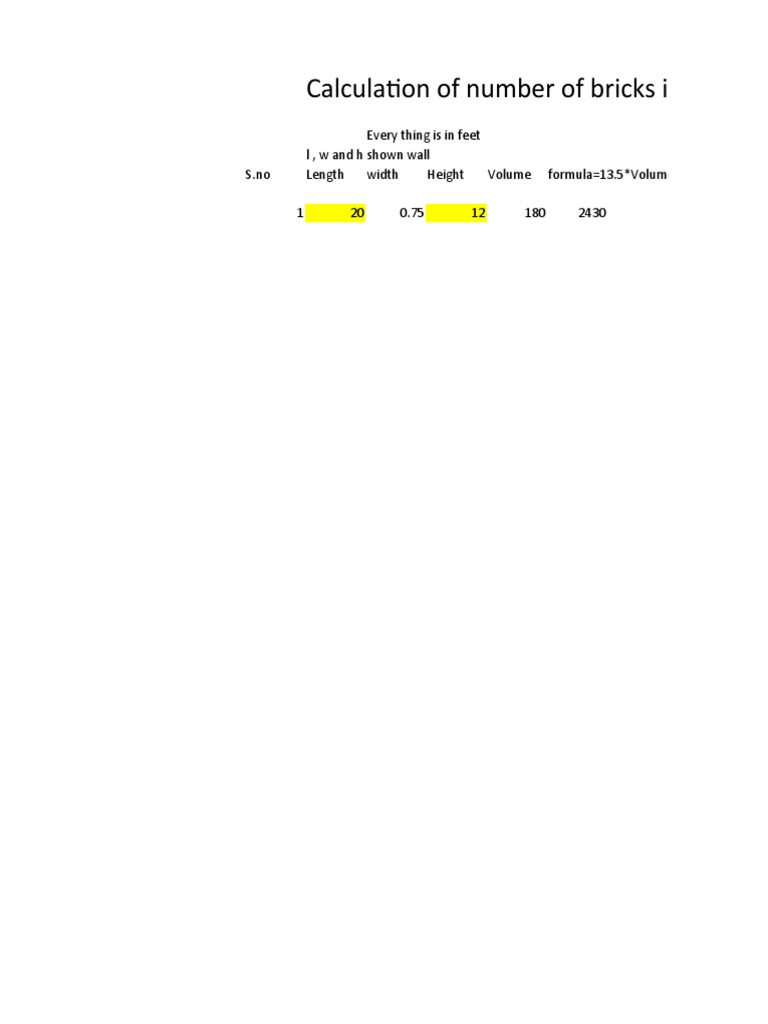
But how do you arrive at that number? The equation begins with calculating the area of the wall (height x width), before dividing by the area covered by a single brick (including mortar). It’s a brilliant way to ensure everything runs smoothly and that you don’t underestimate your material needs—leading to frustrating last-minute trips to the supplier!
Another quirky aspect of brick counting revolves around wastage. It’s adept to factor in a bit of contingency when ordering bricks. A margin of about 10% is often recommended, to account for breakages or miscalculations that inevitably occur during the build. Think of it as a security blanket; it cushions the possible pitfalls of construction.
Now picture this – your pallet of bricks arrives, and you’ve meticulously accounted for everything. The layout is brilliant, the measurements checked and rechecked, yet. You face a challenge: the logistics of having that brick pallet delivered. Consider your site access. Will the delivery vehicle make it to your desired location? Are there narrow pathways, overhead wires, or tight turnings that could pose a hindrance? These logistical hurdles can create further complications if not planned accordingly.
Of course, the fun doesn’t stop at mere calculations; there’s also the delightful world of aesthetics and design! If you’ve contemplated different styles or patterns, the number of bricks you require may vary based on intricate designs you wish to execute. Herringbone, basket-weave, or a classic running bond pattern—choose wisely, for each has unique demands on your brick supply.
Furthermore, what about the seasonality of brick orders? Understanding the timing of your purchase can often be critical. During peak seasons, suppliers experience high demand, which can lead to extended delivery times or even stock shortages. Always check ahead, particularly if you’re opting for a particular style that’s in vogue. Delays in obtaining your materials can disrupt timelines, particularly when timelines are tight.
Finally, as you’ve ventured through this exploration of pallets and bricks, it is essential to revisit the core of our discussion: how many bricks in a pallet? While the quantity can range based on factors we’ve discussed, the knowledge gained from this inquiry not only helps with immediate purchases but also empowers your future construction projects. With a well-established understanding of brick quantities, you are now better equipped to tackle any building project with confidence!
In conclusion, understanding the number of bricks in a pallet is far from a mundane detail; it’s a catalyst for informed decision-making, better project management, and ultimately, construction success. So when you think about your next endeavour, remember this knowledge—it might just save you time, money, and effort while enhancing your overall outcome.
FAQ
How many bricks are typically in a pallet?
A standard pallet usually contains between 450 and 500 bricks, but the exact number can vary depending on brick size and type.
What factors influence the number of bricks in a pallet?
Brick dimensions, type (such as engineering or common bricks), and manufacturer specifications affect the total bricks per pallet.
How do I calculate how many bricks I need for a wall?
Measure the wall area (height x width) and divide by the area covered by a single brick including mortar, then add about 10% extra for wastage.
Why is brick pallet weight important?
A pallet can weigh between 1,000 to 1,500 kg, affecting transport and handling logistics on site.
What are common patterns for bricklaying that affect brick quantity?
Patterns like herringbone, basket-weave, or running bond each have unique brick quantity demands.




Leave a Reply