Short Answer
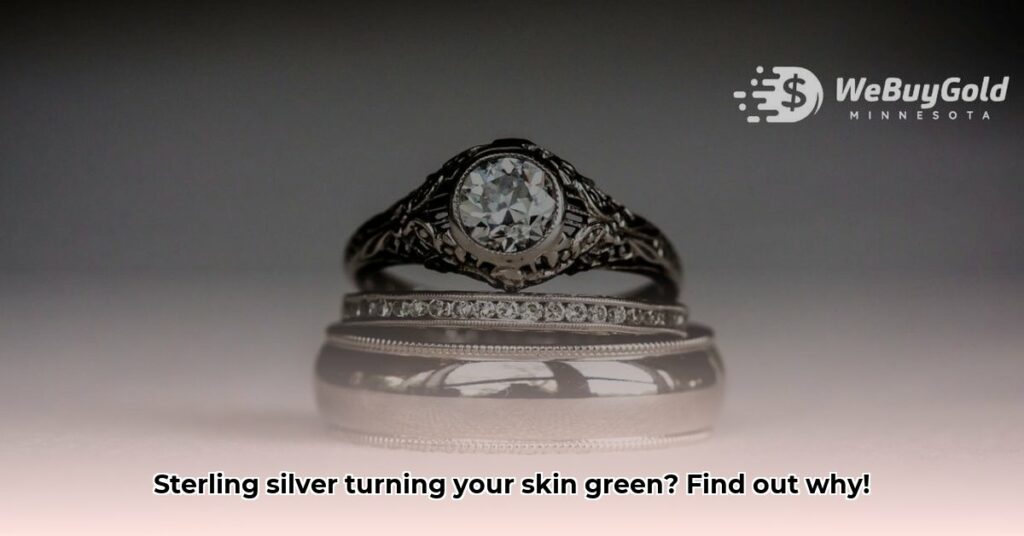
When it comes to sterling silver jewellery, many individuals have experienced the unexpected discolouration of their skin. The question arises: does sterling silver turn green? The simple answer is yes, but the underlying reasons are multifaceted and deserving of exploration. Let’s delve into the science behind this phenomenon and discuss how to mitigate these unsightly discolourations.
To begin with, it’s essential to understand what sterling silver is. Sterling silver is an alloy, composed of 92.5% silver and 7.5% other metals, typically copper. The addition of copper enhances the silver’s durability, making it more suitable for daily wear. While the lustrous appeal of sterling silver captivates many, the incorporation of additional metals can lead to oxidation and skin reactions over time.
Now, consider the question of discolouration. The green hue that may appear on the skin is primarily a result of chemical reactions between the alloy and various elements, including moisture, sweat, and skincare products. These interactions can catalyse a process known as tarnishing, wherein the surface of the silver reacts negatively with these substances, leading to a green stain on the skin. But why does this happen specifically with sterling silver?
First, it’s worthwhile to note that not everyone will experience this green discolouration. Skin chemistry varies significantly from person to person, influenced by factors such as pH balance, oil production, and personal hygiene habits. Individuals with a higher acidity in their skin, for instance, may find themselves more prone to these reactions. This nuance can heighten the curiosity surrounding the topic—what is it about one’s unique biochemistry that determines susceptibility?
Moreover, environmental factors play a critical role. Humidity levels can significantly influence how metals interact with the skin. In humid conditions, sweat can create a more conducive environment for tarnishing. Another factor to consider is the presence of lotions, perfumes, or soaps, which can also contribute to the tarnishing process. Many of these products incorporate chemicals that, when they contact sterling silver, can lead to accelerated reactions and subsequent discolouration.
Now, let’s investigate some primary causes for sterling silver turning skin green:
- Oxidation: The copper within the sterling silver oxidises when exposed to air and moisture. This punctual reaction results in copper salts like verdigris, which are green in colour, thus leaving a mark on the skin.
- Acidic Skin: Individuals with more acidic conditions will find that their skin interacts more aggressively with metals, leading to a greater likelihood of discolouration.
- Harsh Chemicals: Regular exposure to certain chemicals found in cosmetics or cleaning products can lead to a reaction with silver components, worsening the tarnishing process.
- Long-term Wear: Prolonged contact with moisture and sweat can exacerbate the tarnishing, particularly for individuals who frequently wear their jewellery without removing it for extended periods.
Fortunately, there are practical strategies to combat this issue should you find yourself afflicted by the green-tinted skin. Let’s explore some efficient fixes:
- Clear Nail Polish: A simple yet effective solution is to apply a clear layer of nail polish to the inside of rings or bracelets. This creates a barrier between the skin and the metal, thus impeding direct contact and minimizing oxidation.
- Avoid Wearing in Humid Conditions: On muggy or sweaty days, consider leaving your sterling silver jewellery in a safe place. Reduce the chance of interaction with moisture, which is a primary culprit of tarnishing.
- Regular Cleaning: Establish a routine for cleaning your sterling silver jewellery using gentle solutions specifically designed for silver. Keeping the pieces clean will prevent tarnishing compounds from building up on the surface.
- Proper Storage: When not in use, store sterling silver items in anti-tarnish pouches or cloths to protect them from environmental factors that contribute to tarnishing.
Some may wonder whether there is a better alternative to sterling silver that eliminates the risk of skin discolouration altogether. Options such as platinum or titanium boast hypoallergenic properties and are less likely to react with oils and moisture. However, these alternatives often come with a higher price tag, so for many, the allure of sterling silver remains undiminished, provided one is willing to take the necessary precautions.
Ultimately, understanding why sterling silver may turn the skin green allows us to take proactive steps in mitigating the issue. Awareness of personal skin chemistry and environmental influences grants every wearer the chance to fully enjoy their glistening adornments without worry. With the right practices, discolouration becomes less of a deterrent and more of a manageable occurrence. Thus, as the curiosity surrounding sterling silver continues to unfold, wearers can embrace their jewellery with renewed confidence and joy.
FAQ
Does sterling silver always turn skin green?
No, it depends on individual skin chemistry, environmental factors, and the presence of moisture and chemicals.
What causes the green discoloration on the skin from sterling silver?
The green discoloration is caused by copper in the sterling silver alloy oxidizing and forming copper salts that react with the skin.
How can I prevent my sterling silver jewelry from turning my skin green?
You can apply clear nail polish to create a barrier, avoid wearing jewelry in humid or sweaty conditions, clean regularly, and store properly.
Are there metals that don't cause skin discoloration?
Yes, metals such as platinum and titanium are less reactive and less likely to cause skin discoloration.
Is tarnishing the same as skin turning green?
Tarnishing is the oxidation of silver on the surface, while the green discoloration on skin is primarily caused by copper salts from the alloy.


Leave a Reply