Short Answer
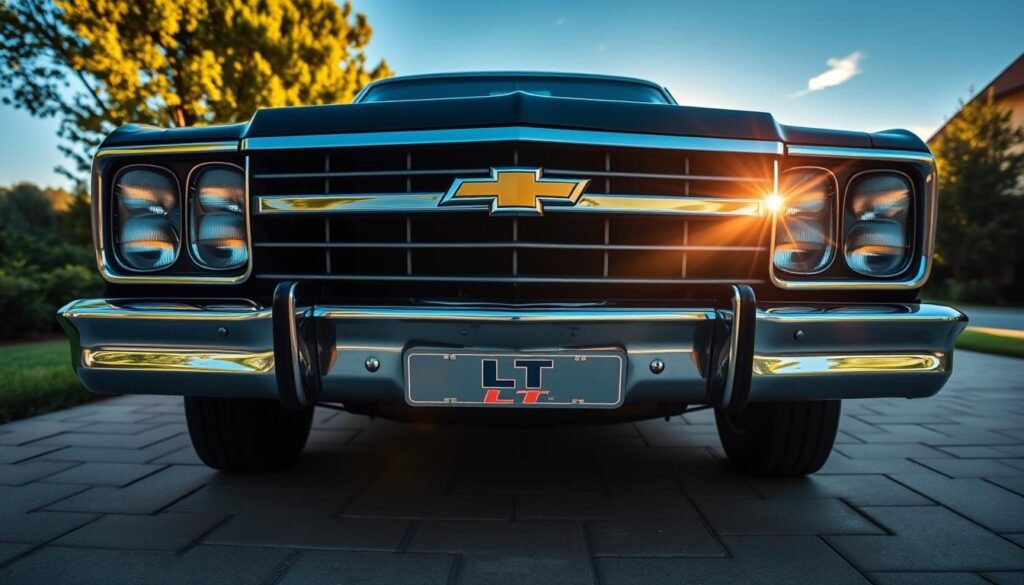
The automotive landscape is replete with alphanumeric designations that, to the uninitiated, might appear as cryptic symbols. However, these codes often signify specific trim levels, engine types, or other distinguishing characteristics of a vehicle. One such designation, commonly found adorning Chevy vehicles, is “LT.” Decoding this appellation unlocks a deeper understanding of the features and specifications associated with Chevrolet models.
The Genesis of LT: A Historical Perspective
The “LT” designation, in the Chevrolet context, has historically denoted a specific trim level. Its origins can be traced back several decades, evolving alongside Chevrolet’s model lineups. The specific features associated with the LT trim have varied over time, influenced by market trends and technological advancements. Understanding the historical usage of “LT” provides a crucial foundation for interpreting its contemporary meaning.
LT as a Trim Level: Decoding the Hierarchy
In Chevrolet’s trim level hierarchy, “LT” typically resides above the base model (often designated “LS” or similar) and below the higher-end trims (such as “Premier,” “High Country,” or “Z71,” depending on the model). This positioning indicates a blend of standard and upgraded features. The precise configuration of features within an LT trim will vary significantly depending on the specific Chevrolet model in question. For example, an LT trim on a Chevy Silverado pickup truck will offer a different suite of features compared to an LT trim on a Chevy Equinox SUV.
Delving into Specific LT Features: A Comparative Analysis
To illustrate the nuances of the “LT” designation, let’s examine some common features frequently associated with this trim level across different Chevrolet models:
- Exterior Enhancements: LT trims often include aesthetic upgrades such as chrome accents, alloy wheels of a distinctive design, and body-colored mirrors. These subtle alterations elevate the vehicle’s visual appeal compared to the base model.
- Interior Appointments: Inside the cabin, LT models typically feature enhanced upholstery (perhaps premium cloth or simulated leather), upgraded infotainment systems with larger touchscreens and smartphone integration (Apple CarPlay and Android Auto), and additional convenience features like automatic climate control. The ambience is designed to offer a more comfortable and connected driving experience.
- Technological Advancements: LT trims often incorporate advanced safety technologies, such as lane departure warning, blind-spot monitoring, and rear cross-traffic alert. These features contribute to a safer driving environment by augmenting the driver’s awareness.
- Mechanical Upgrades (Model-Dependent): In some cases, the LT trim might unlock access to more powerful engine options or upgraded suspension systems. This is especially prevalent in trucks and SUVs, where performance capabilities are a key consideration. For example, an LT trim Silverado might offer the option of a larger V8 engine compared to the base model’s standard engine.
LT vs. LS: Discerning the Differences
The “LS” trim typically represents the entry-level offering in a Chevrolet model lineup. Compared to the LT, the LS trim generally features a more basic set of standard equipment. This often translates to fewer convenience features, simpler infotainment systems, and a more utilitarian interior. While the LS trim provides a cost-effective entry point into the Chevrolet brand, the LT trim offers a compelling upgrade for buyers seeking a more refined and feature-rich experience.
LTZ and Beyond: Ascending the Trim Hierarchy
Moving beyond the LT trim, designations such as “LTZ,” “Premier,” or “High Country” (depending on the model) signify even more luxurious and well-equipped vehicles. These higher-tier trims often include premium leather upholstery, advanced driver-assistance systems (adaptive cruise control, automatic parking assist), and top-of-the-line infotainment systems with navigation and premium audio systems. Choosing between LT and these higher trims depends on individual preferences and budgetary considerations.
The Importance of Model-Specific Research
While the preceding information provides a general overview of the “LT” designation, it’s crucial to emphasize the importance of model-specific research. The specific features and equipment included in an LT trim will vary significantly depending on the Chevrolet model in question and the model year. Consulting the official Chevrolet website or contacting a local dealership is the most reliable way to obtain accurate and up-to-date information about the LT trim for a particular vehicle.
Beyond Features: The LT as a Value Proposition
The “LT” trim often represents a sweet spot in the Chevrolet lineup, offering a compelling balance of features, performance, and value. It provides a noticeable upgrade over the base model without incurring the significantly higher price tag associated with the top-tier trims. This makes the LT trim a popular choice among buyers seeking a well-equipped vehicle at a reasonable price point. The added features provide more overall value in regards to comfort and aesthetics.
Navigating the Nuances: A Conclusion
In conclusion, the “LT” designation on a Chevy signifies a specific trim level that typically offers a step up from the base model in terms of features, comfort, and technology. While the precise configuration of features varies depending on the specific Chevrolet model, the LT trim generally represents a compelling value proposition for buyers seeking a well-equipped and refined driving experience. Remember to always consult model-specific resources to fully understand the features included in an LT trim for your vehicle of interest.
FAQ
What does LT stand for on a Chevy?
LT is a trim level designation on Chevrolet vehicles that signifies a mid-tier model with upgraded features compared to the base trim.
How does the LT trim differ from the LS trim?
The LT trim offers more features, including better interior materials, advanced safety tech, and aesthetic upgrades, whereas the LS is generally the entry-level model with basic equipment.
Does the LT trim include engine upgrades?
Depending on the Chevrolet model, the LT trim may offer access to more powerful engines or improved suspension systems compared to the base trim.
Are LT features the same across all Chevy models?
No, LT features vary depending on the specific Chevrolet model and model year, so it is important to check model-specific information.
Where can I find accurate details about LT trim features?
The official Chevrolet website or a local dealership provides the most reliable and up-to-date information about LT trim features for specific models.



Leave a Reply