Short Answer
When an unmarried couple with a child decides to part ways, the uniqueness of their situation requires a thorough understanding of legal rights and responsibilities. Unlike married couples, unmarried partners do not possess the same automatic legal frameworks for separation, which can lead to confusion and complexity. This exploration aims to elucidate the rights of unmarried couples splitting up in the UK, particularly considering the well-being of their child.
First and foremost, it is essential to understand that unwed partners do not share the same matrimonial legal protections that encompass issues such as financial support and asset division. Instead, the law views each partner as separate legal entities, leading to unique challenges that must be navigated delicately. As you embark on this journey of understanding, consider the various aspects that govern this landscape.
Parental Responsibilities
In the UK, parental responsibility is a significant legal concept that dictates the rights and duties of a parent towards their child. For unmarried fathers, obtaining parental responsibility is not automatic, contrary to married fathers. It can be acquired in a couple of ways: through a formal agreement with the mother, via a court order, or if the father’s name is registered on the child’s birth certificate. Understanding this nuance is crucial, as it affects decision-making regarding the child’s upbringing, education, and health.
Moreover, both parents bear the obligation to ensure their child’s welfare, even post-separation. This encompasses not only providing financial support but also ensuring emotional well-being and stability amidst the turmoil of separation.
Child Maintenance
Another aspect to consider is child maintenance, which refers to the financial support provided by the non-residential parent to help cover the costs associated with raising a child. In the UK, the Child Maintenance Service (CMS) plays a vital role in determining this financial support. The CMS can facilitate arrangements between parents and ensure that the contributing parent meets their obligations. However, it is advisable for parents to negotiate amicably and establish a voluntary agreement, as this can foster cooperation and reduce conflict, ultimately benefiting the child.
Living Arrangements and Custody
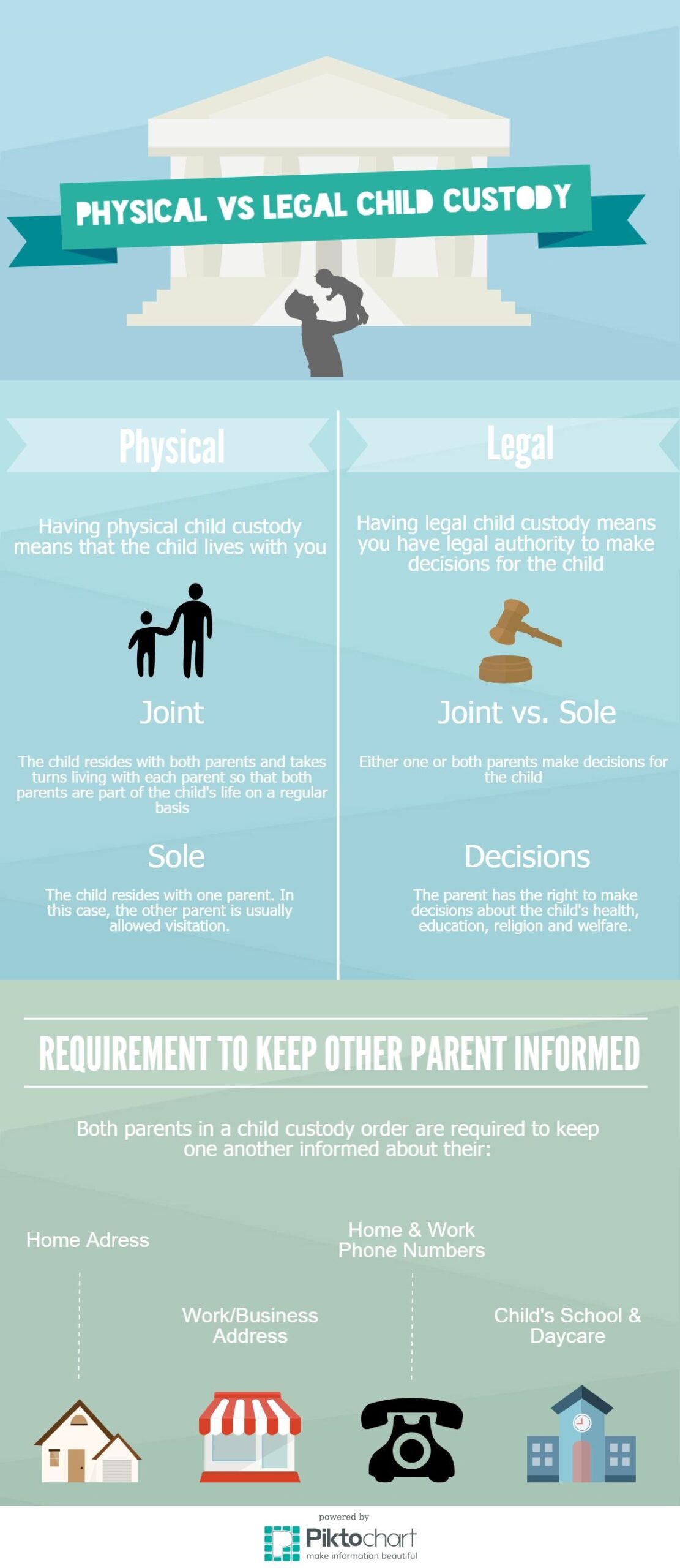
Determining living arrangements can be one of the most contentious issues during a separation. Courts operate on the principle of what is in the child’s best interest. Several arrangements exist—from shared care, where both parents play active roles, to one parent becoming the primary caregiver while the other has visitation rights. It is essential to approach these discussions with an open mind, recognising that flexibility and cooperation are essential for a child’s emotional health.
When custody disputes arise, the court’s primary focus is the welfare and happiness of the child. The imposition of a residence order can provide clarity regarding where the child will live. The process may feel arduous, but it’s important to remember that there are mediation services available that can help parents reach agreeable terms without the need for contentious court appearances.
Property and Financial Matters
One common misconception is that unmarried couples possess a ‘common-law marriage’ status, granting them equal rights to shared property upon separation. In actuality, property rights for unmarried couples can be convoluted. The law primarily hinges on ownership and contributions rather than presumed entitlements. For those who have shared property, understanding whether it is joint tenancy or if one party solely owns the property is critical in discussions around asset division.
Deciding how to divide financial assets can evoke considerable stress. It is advisable to seek legal counsel to navigate these complex waters, as the absence of formal agreements or trusts can complicate property claims. Couples may also wish to consider the creation of a cohabitation agreement while they are still together, delineating each party’s rights and responsibilities in the event of separation.
Seeking Legal Guidance
Given the multifaceted nature of legal rights surrounding unmarried couples, the importance of seeking sound legal advice cannot be overstated. Consulting with a family law solicitor can provide invaluable insights into specific situations, such as determining parental responsibility, navigating child maintenance, or understanding property rights. Knowledgeable legal professionals can tailor their guidance to your unique circumstances, ensuring that your rights and those of your child are safeguarded.
Coping with Emotional Turmoil
Separating from a partner, especially when a child is involved, engenders a maelstrom of emotions. The journey does not end with legal proceedings; it often involves grappling with feelings of grief, loss, and uncertainty. Parents must not only focus on legal matters but also establish an environment conducive to healing, particularly for the child caught in the middle. Support from friends, family, and professional therapists can assist greatly in navigating personal challenges during this tumultuous time.
Conclusion
The matter of unmarried couples splitting up with children is a complex interplay of legal, financial, and emotional factors. By demystifying their rights and responsibilities and fostering communication, parents can navigate this challenging phase with a pragmatic approach centred on the child’s best interests. Navigating these legal avenues can engender peace and provide clarity amidst uncertainty, ensuring that both parents can remain committed to nurturing a bright future for their child. With the right information and support, it is possible to pave a pathway through the challenges posed by separation, enabling both parents to focus on their primary goal—raising a happy and healthy child.
FAQ
Do unmarried fathers automatically have parental responsibility in the UK?
No, unmarried fathers in the UK do not automatically have parental responsibility. They can obtain it by agreement with the mother, a court order, or if their name is on the child’s birth certificate.
How is child maintenance decided for unmarried couples in the UK?
Child maintenance is typically decided either through a voluntary agreement between parents or, if necessary, by the Child Maintenance Service (CMS), which calculates payments based on specific guidelines.
Does living together as an unmarried couple grant any property rights in the UK?
No, there is no ‘common-law marriage’ status in the UK. Property rights depend on ownership and contributions rather than cohabitation, making it important for unmarried couples to have legal agreements.
What should unmarried couples with children consider when splitting up?
They should consider legal rights regarding parental responsibility, child maintenance, living arrangements, property rights, and seek legal advice while prioritizing the child’s welfare.
Are mediation services available for custody disputes?
Yes, mediation services are available in the UK and can help parents resolve custody and living arrangement disputes amicably without court intervention.



Leave a Reply