Short Answer
Overview
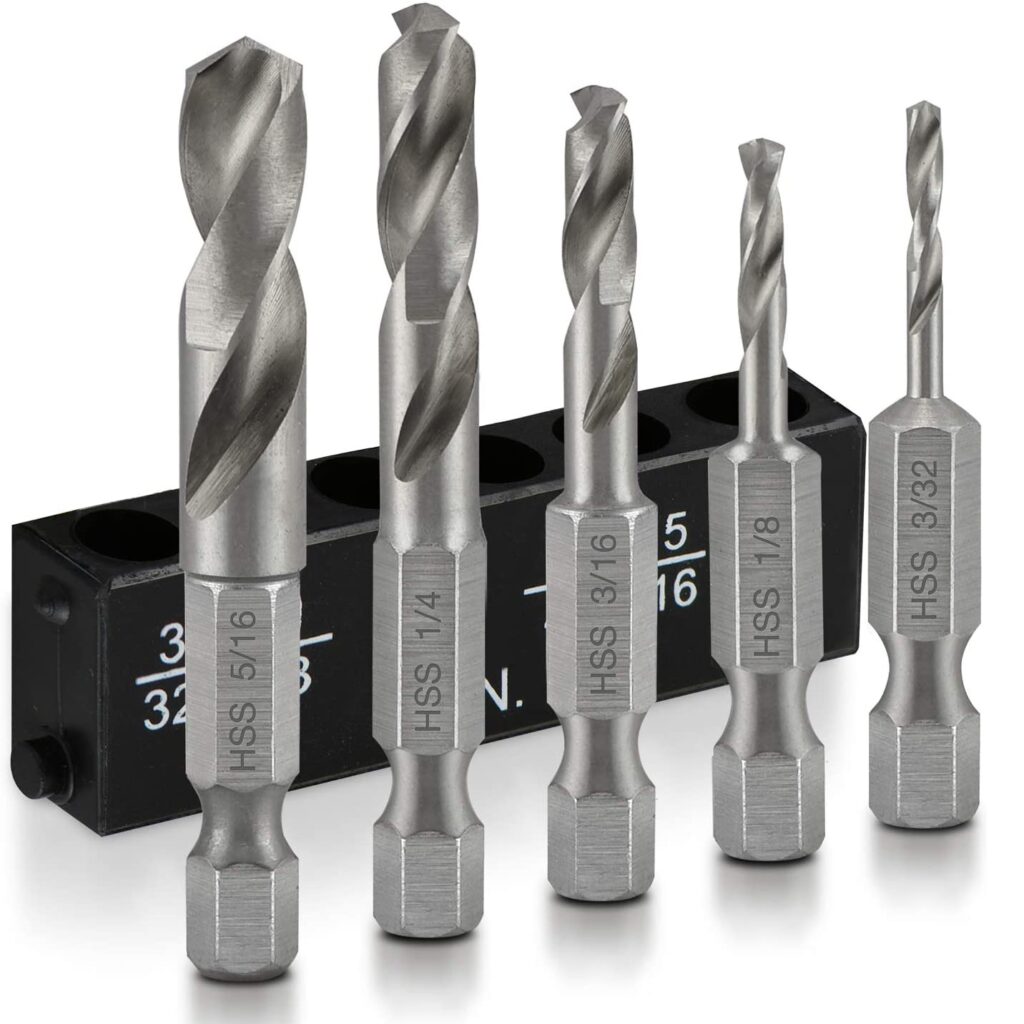
Drilling plastic requires specific tools and techniques to avoid damaging the material. Unlike metals or wood, plastics are prone to cracking, melting, or chipping when drilled incorrectly. The best drill bit for drilling plastic is designed to produce clean cuts without exerting excessive pressure or heat that could compromise the integrity of the plastic. Factors such as drill bit shape, point angle, and material influence the quality of the hole and reduce the risk of cracking. Commonly used drill bits for plastic include high-speed steel (HSS) bits with a sharp point angle, step drill bits, and brad point bits adapted for softer materials.
History / Background
The challenge of drilling plastics emerged with the rise of plastic materials in the 20th century, particularly after World War II when plastics became widely used in manufacturing and construction. Early attempts to drill plastic often resulted in cracking or melting due to improper tool design and inadequate techniques. Over time, tool manufacturers developed specialized drill bits with geometry tailored to plastics, such as reduced point angles and polished flutes to minimize heat buildup. Step drill bits, initially designed for sheet metal, were adapted for plastic to create clean, controlled holes without cracking. Advances in drill bit coatings and materials further improved performance, making plastic drilling a precise and reliable process.
Importance and Impact
The ability to drill clean holes in plastic is crucial across multiple industries including electronics, automotive, aerospace, and hobbyist fabrication. Precision drilling affects product quality, assembly integrity, and aesthetic appeal. Using the correct drill bit reduces material waste, prevents costly rework, and extends the life of both the plastic components and the drill bits themselves. In manufacturing, clean drilling improves fit and function of parts, while in DIY or repair scenarios, it ensures safety and durability. The development of specialized drill bits has helped standardize plastic machining processes, contributing to the broader adoption of plastic materials in complex applications.
Why It Matters
For professionals and hobbyists working with plastic materials, knowing which drill bit to use and how to use it is essential to achieving clean, accurate holes without cracking or melting the plastic. This knowledge reduces material damage and enhances the appearance and functionality of the finished product. Proper drilling techniques also improve safety by minimizing the risk of plastic shards or fractures. As plastics continue to be a popular material choice for their versatility and cost-effectiveness, understanding the best drill bits for these materials remains practically relevant for effective fabrication, repair, and customization tasks.
Common Misconceptions
Any drill bit used for wood or metal can be used for plastic.
Drill bits designed for wood or metal may have inappropriate angles or cutting edges that can crack or melt plastic. Specialized bits with sharper points and polished flutes are recommended for plastic.
Using a higher drill speed will produce cleaner holes in plastic.
Excessive speed generates heat, which can melt or deform plastic. Moderate speeds with steady pressure are more effective for clean cuts.
FAQ
What type of drill bit is best for acrylic plastic?
A drill bit with a sharper point angle (around 60° to 90°) such as a brad point or a step drill bit is best for acrylic to minimize cracking and chipping.
Why does plastic crack when drilled?
Plastic can crack due to excessive pressure, high drill speed leading to heat buildup, or using a drill bit with an unsuitable cutting geometry.
Can I use a standard metal drill bit to drill plastic?
While possible, standard metal drill bits are not optimized for plastic and can cause melting or cracking. Specialized bits or those with modified point angles are preferable.


Leave a Reply