Short Answer
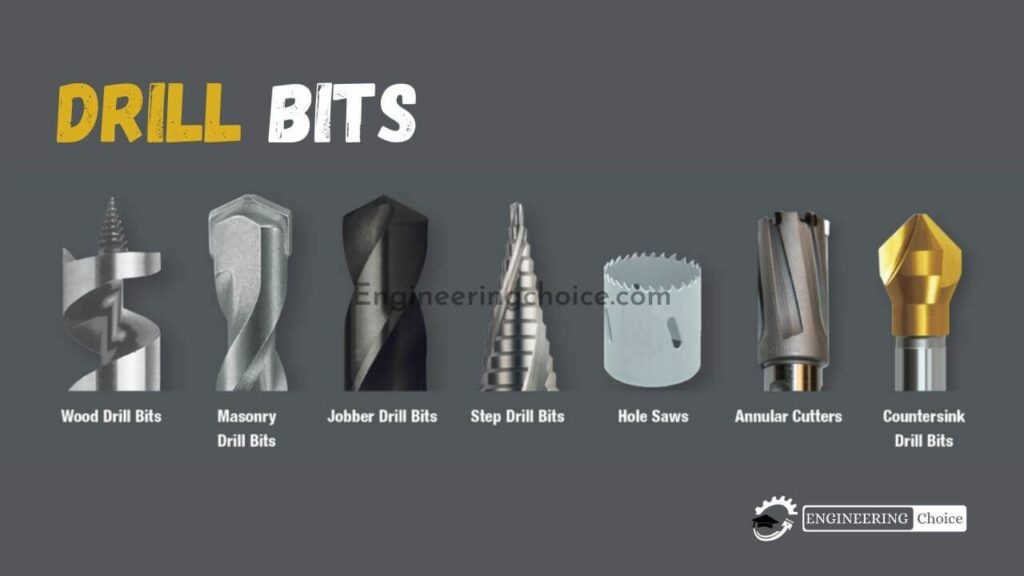
Carbide tipped drill bits have become indispensable tools for both amateur DIY enthusiasts and seasoned professionals in various fields. These drill bits, known for their exceptional durability and precision, are designed for high-performance drilling in numerous materials. This article delves into the multifaceted uses, benefits, and considerations when purchasing carbide tipped drill bits.
Understanding Carbide Tipped Drill Bits
Carbide tipped drill bits feature a steel body with a tungsten carbide tip, which is a composite material renowned for its hardness and wear resistance. The combination of the robust steel structure and the superior cutting capability of carbide makes these drill bits particularly suitable for tasks demanding precision and longevity. Their unique composition allows them to retain sharpness longer than standard drill bits, reducing the frequency of replacements and enhancing productivity.
Uses of Carbide Tipped Drill Bits
1. Metal Drilling: One of the primary applications of carbide tipped drill bits is in metalwork. They excel at drilling through tough metals such as steel, cast iron, and aluminium. Their sharp, strong tips make quick work of these materials, allowing users to achieve clean and accurate holes.
2. Woodworking: While primarily associated with metal fabrication, these drill bits can also be utilised in woodworking. They penetrate hardwoods effortlessly, providing a smooth finish without causing splintering, making them favourite tools for furniture makers.
3. Masonry Work: Carbide tipped drill bits are adept at drilling into concrete, brick, and stone. The inherent toughness of the carbide allows these bits to withstand the abrasive nature of masonry materials, ensuring durability and consistent performance over time.
4. Plastic and Composites: These drill bits can also be employed in drilling plastic and composite materials. Their precision helps avoid deformation of softer materials, ensuring clean cuts and minimising material loss.
Benefits of Carbide Tipped Drill Bits
1. Longevity: One of the most notable advantages of carbide tipped drill bits is their longevity. The tungsten carbide tips can endure high temperatures and resist wear more effectively than traditional steel bits. This translates into fewer replacements and, ultimately, cost savings over time.
2. Versatility: Carbide tipped drill bits are incredibly versatile, making them suitable for a wide range of applications across different materials. This adaptability means users do not need to invest in separate bits for various tasks, consolidating their toolkit and fostering efficiency.
3. Precision: The precision offered by carbide tipped drill bits cannot be overstated. Their sharp tips and stable construction allow for accurate drilling, minimising the chances of creating oversized holes or damaging surrounding materials.
4. Reduced Chip Loading: The design of the carbide tip allows for effective chip removal during drilling. This minimises the likelihood of chip loading, which can cause overheating and damage. By keeping the bit cooler, users enjoy improved performance and longevity.
Buying Guide: What to Consider
When investing in carbide tipped drill bits, several factors warrant consideration to ensure you purchase the right tools for your needs.
1. Material Compatibility: Determine the primary materials you will be drilling. Some bits are specifically engineered for metal, while others are tailored for masonry or other materials. Verify that the drill bits you choose are compatible with your intended application.
2. Bit Size: Carbide tipped drill bits come in a variety of sizes and lengths. Assess your projects to understand the size requirements. It’s prudent to have a range of sizes to accommodate different tasks, enhancing versatility.
3. Shank Type: Drill bits come in various shank types, including round and hex shanks. The type of shank affects compatibility with your drilling equipment. Ensure that the shank type aligns with your drill for optimal performance.
4. Coating and Treatment: Some carbide tipped drill bits feature specialised coatings that enhance their performance. Examples include titanium coatings that can further increase durability and reduce friction. Consider bits with such enhancements if you anticipate tackling particularly tough materials.
5. Brand Reputation: Opt for reputable brands known for their quality and reliability. Research and read user reviews to gauge performance before making a decision. Investing in trusted brands often ensures you receive superior tools backed by solid warranties.
Conclusion
Carbide tipped drill bits represent a significant advancement in drilling technology, offering unmatched durability and versatility. Their ability to tackle various materials with precision makes them a worthwhile investment for anyone seeking to enhance their tool collection. By understanding their uses, benefits, and the key factors to consider when purchasing, users can make informed decisions that will undoubtedly improve their craftsmanship and efficiency in the long run.
FAQ
What are carbide tipped drill bits used for?
Carbide tipped drill bits are used for drilling in metal, wood, masonry, and plastic due to their durability and precision.
How long do carbide tipped drill bits last?
Carbide tipped drill bits last longer than traditional steel bits, reducing the need for frequent replacements.
What should I consider when buying carbide tipped drill bits?
Consider material compatibility, bit size, shank type, coating, and brand reputation when purchasing.

Leave a Reply