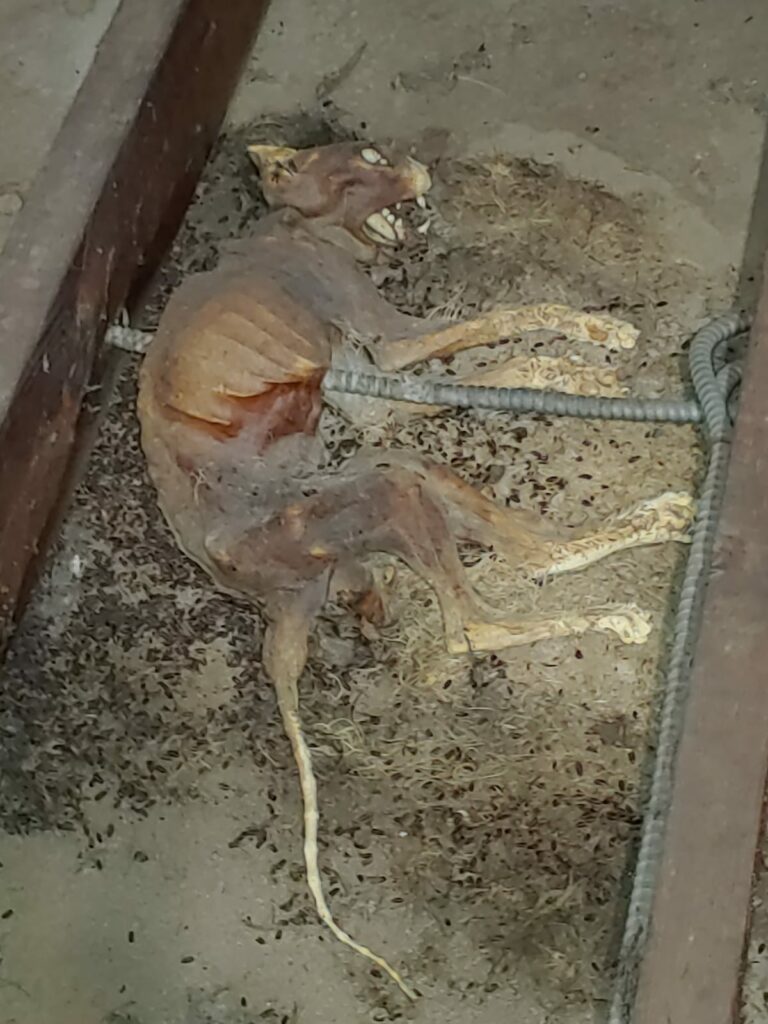
Short Answer
When homeowners find themselves sharing their living space with squirrels, it can quickly escalate from a quirky observation of nature to a pressing concern for both safety and structural integrity. Squirrels in the attic are often an alarming nuisance, leading to a variety of questions—most notably, what does it cost to remove them? This article delves into the costs associated with squirrel removal in the UK, examining trapping methods, preventive measures, and the underlying reasons why these furry intruders are drawn to our homes.
The UK, with its lush landscapes and copious greenery, is home to multiple species of squirrels, the most prevalent being the grey squirrel. Their adaptability and resourcefulness make them both charming and invasive. While the antics of squirrels can be delightful, their incursions into attics and roofs can pose considerable problems. The importance of squirrel removal lies not just in the annoyance they cause, but also in the potential damage they can inflict on insulation, electrical wiring, and woodwork.
Understanding the Costs of Squirrel Removal
The expenses associated with squirrel removal can vary significantly based on a multitude of factors. These can include the extent of the infestation, the specific geographical location within the UK, and the methods employed for trapping and removal. Homeowners can expect to pay anywhere from £150 to over £600 for professional services. Below, we dissect these costs further:
Initial Inspection and Assessment
Before any removal strategy can begin, an initial inspection is crucial. Professionals will evaluate the extent of the infestation and identify entry points as well as potential nesting sites. This assessment typically costs between £50 and £150. An overlooked entry point can prolong the problem, making this step imperative.
Trapping and Removal Costs
Once diagnosed, the actual removal of squirrels can necessitate various approaches. The most common method used is trapping. The cost of trapping often falls between £100 and £300. Factors influencing this cost include:
- Number of Squirrels: More animals necessitate more traps and time.
- Methodology: Humane traps may be more costly, particularly those compliant with animal welfare regulations.
- Location: Urban areas might incur higher travel charges for pest control services.
Professional technicians are trained to humanely trap and relocate squirrels, minimising the risk of injury to both the animals and any individuals involved in the process.
Potential Repair Costs
The cost of removal does not encompass potential repair expenses for any damage caused by squirrels. After removal, homeowners may find it necessary to invest in repairs. This could range widely, from minor fixes costing £100 to significant structural repairs costing several thousand pounds. Repairing insulation, replacing chewed wires, or mending holes in the roof are just a few tasks that could add additional costs.
Preventive Measures to Deter Squirrels
Prevention should be every homeowner’s first line of defence against squirrel infestations. Taking steps to deter these agile squirrels reduces the likelihood of an infestation occurring in the first place. Here are some recommended preventive measures:
- Seal Entry Points: Inspect your property for gaps and holes. Squirrels can squeeze through surprisingly small openings. Use materials such as metal sheeting or wire mesh to seal potential access points.
- Trim Overhanging Branches: Squirrels are adept climbers and can easily leap from trees to rooftops. Keep tree branches trimmed back from your roof.
- Maintain Outdoor Spaces: Ensure that food sources, such as bird seed, are stored securely. Compost bins should be closed, and fallen fruit removed from gardens promptly.
- Install Squirrel-Proof Feeders: If you enjoy feeding birds, consider squirrel-proof feeders designed to deter these nimble mammals.
The Psychological Appeal of Squirrels
Beyond the practicalities of costs and removal, why does the presence of squirrels evoke such fascination in the human psyche? This seemingly trivial interaction taps into a deeper appreciation of nature and wildlife coexistence. Squirrels symbolise resilience and adaptability. Watching them race around trees or scavenge for food can bring a sense of joy and connection to nature. These interactions provoke a curiosity about our environment and the wildlife within it.
However, the pragmatic response to squirrels must balance our admiration for them with the realities that come with sharing our homes. Understanding their behaviours, motivations, and the costs associated with their presence is crucial for effective coexistence. As environmental stewards, it is our responsibility to manage these interactions safely and sustainably.
Conclusion
Squirrel removal is a multifaceted issue that encompasses immediate costs along with long-term preventive measures. From the initial inspection to the trapping and eventual repairs, homeowners in the UK must navigate various expenses that can quickly accumulate. However, understanding these costs, along with proactive strategies to deter future infestations, can alleviate the stress associated with having squirrels in the attic. As we continue to share our spaces with wildlife, embracing a mindset of coexistence while safeguarding our homes is invaluable.
FAQ
What is the average cost for squirrel removal in the UK?
The cost can range from £150 to over £600, depending on the extent of the infestation and methods used.
What preventive measures can I take to keep squirrels out of my attic?
Seal entry points, trim overhanging branches, and secure food sources to deter squirrels.
Are squirrels harmful to my home?
Yes, they can damage insulation, electrical wiring, and woodwork.




Leave a Reply