Short Answer
Have you ever fantasised about the warm, inviting glow of a woodburner crackling away in the corner of your living room, but found yourself dissuaded by the dreaded constraints of chimney installation? You are not alone in this quandary! While the vivid imagery of an evening spent beside a flickering flame is undeniably alluring, the reality of having a traditional chimney can be a logistical, aesthetic, and financial hurdle. Luckily, there are alternatives! In this article, we will explore the various flue options available for woodburners without a chimney and the essential installation rules that accompany them.
Before delving into the specifics, let’s lay the groundwork for our exploration. A woodburner, or wood-burning stove, is an efficient and environmentally friendly heating source, offering both utility and charm. In homes that lack a chimney, flue systems serve a vital function; they channel smoke and gases produced during combustion away from the living space, maintaining indoor air quality and safety. Understanding the nuances of these flue systems will empower you to make informed decisions that cater to your home’s unique requirements.
1. The Challenge of Installation: Venting Options for Woodburners
If a traditional chimney is not feasible, fret not! There are several flue options available for your woodburner, offering flexibility and innovation. Consider the following choices:
1.1. Twin Wall Flue Systems
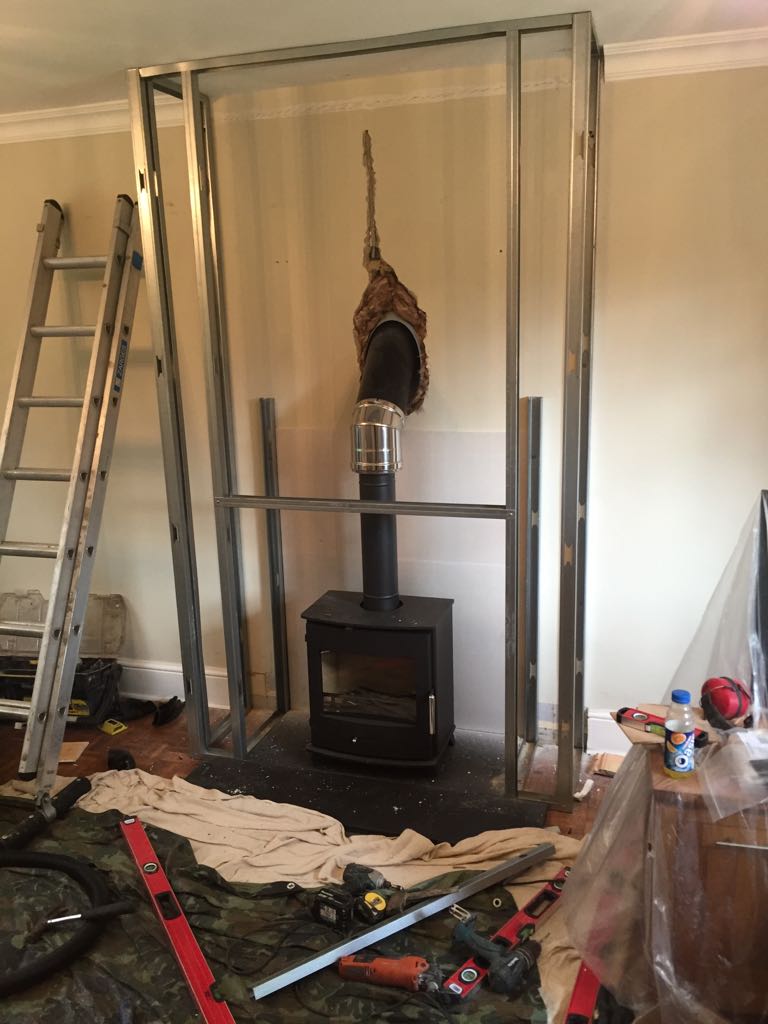
Twin wall flue systems are a popular choice for those lacking a conventional chimney. Comprising two layers of stainless steel with an insulating layer in between, this system is designed to withstand high temperatures while ensuring that the exterior stays cool to the touch. Because it is versatile, it can be installed both internally and externally, making it a practical option for a range of properties. This type of flue can be fixed directly through the wall or vented vertically, depending on the layout of your home.
1.2. Flexible Flue Liners
For those who prefer an adaptable solution, flexible flue liners offer considerable advantages. Generally made from stainless steel, these liners can navigate the intricate angles of existing ducts, enabling homeowners to install a woodburner where a traditional chimney may exist but is not currently functional. However, it’s crucial to consult with a qualified professional as the installation of a flue liner requires precise measurements and knowledge of local building regulations.
1.3. Balanced flue systems
A balanced flue system is another innovative option, particularly well-suited for well-insulated homes. This type entails a concentric flue where one pipe draws in air for combustion while expelling flue gases through another pipe. This dual system is advantageous for homes that may not have suitable external walls for venting and helps to prevent heat loss, thus ensuring energy efficiency.
2. Understanding Installation Rules: Adhering to Safety Standards
Flue installations are governed by a range of building codes and safety standards, ensuring the well-being of your home and the effectiveness of your woodburner. Here are notable regulations to keep in mind:
2.1. Building Regulations Compliance
Before embarking on your installation journey, it is imperative that you consult local building codes. This may involve contacting your local council or a qualified installer who is well-versed in regulations specific to your area. Understanding these codes can prevent costly mistakes down the line, and ensure that your woodburner is safe and efficient.
2.2. Minimum Clearances
While installing a flue, maintaining appropriate clearances is paramount. Different flue types require varying distances from combustible materials, such as walls, ceilings, or furniture. For instance, twin wall flues generally require a clearance of at least 50mm from combustible surfaces. These regulations protect your home from the risk of fire and enhance the overall safety of your installation.
2.3. Adequate Ventilation
An often-overlooked aspect of woodburner installation is the necessity for adequate room ventilation. Ensuring sufficient airflow is crucial to maintaining combustion efficiency and preventing hazardous gases from accumulating indoors. Depending on your flue type and woodburner model, you may need to install additional vents or openings to facilitate optimal air exchange.
3. Maintenance Matters: Keeping Your Woodburner Aglow
After installation, the journey does not end! Regular maintenance is essential to ensure that your woodburner operates efficiently and safely:
3.1. Routine Inspections
Engaging a qualified technician for periodic inspections is vital to identify any potential issues before they escalate. This includes checking the integrity of your flue system for blockages, corrosion, or other hazards. Regular cleaning and maintenance ensure a longer lifespan for your woodburner and enhance its performance.
3.2. Cleaning the Flue
Flue cleaning should occur at least once a year, or more frequently if you use your woodburner extensively. A blocked flue can lead to dangerous chimney fires or hazardous smoke entering your home, making this task critical for safety and efficiency. Consider employing a qualified chimney sweep who can safely clean and inspect your flue system.
Conclusion: A Hearth of Possibilities!
As you contemplate your dream woodburner, the absence of a chimney should not deter you. With various flue options available and a thorough understanding of installation rules, the prospect of enjoying that comforting warmth and glow is more than attainable. Remember, careful planning and professional advice pave the way for successful installation and long-term enjoyment of your woodburning stove. So, what will you choose to heat your haven?
FAQ
What are the main types of flue systems for woodburners without chimneys?
The main types are twin wall flue systems, flexible flue liners, and balanced flue systems, each offering different installation methods and suitability depending on the home layout.
Why is ventilation important when installing a woodburner?
Adequate ventilation ensures efficient combustion and prevents the buildup of harmful gases inside the home, which is critical for safety.
Who should I consult before installing a woodburner flue?
It is advisable to consult local building authorities and qualified professionals to ensure compliance with regulations and safe installation.



Leave a Reply