Short Answer
In today’s rapidly evolving digital landscape, the necessity for robust and reliable internet services is paramount for any business aiming to thrive. Managed Internet Services (MIS) have emerged as a vital component in the arsenal of tools available to companies, providing not only connectivity but also a host of additional benefits that enhance overall operational efficiency. Understanding what Managed Internet Service entails and how it can significantly contribute to business growth is essential for decision-makers seeking to leverage technology effectively.
Understanding Managed Internet Services
At its core, Managed Internet Service encompasses a comprehensive suite of networking solutions that are administered by third-party service providers. These services can include, but are not limited to, internet connectivity, bandwidth management, network performance monitoring, cybersecurity measures, and technical support. By outsourcing these critical components, businesses can focus their resources on core operations rather than the logistical challenges associated with managing their internet infrastructure.
Types of Managed Internet Services
The spectrum of Managed Internet Services varies significantly, catering to the diverse requirements of different businesses. Here are some common types:
- Dedicated Internet Access (DIA): This provides businesses with a dedicated line, ensuring consistent performance without the fluctuations that can occur with shared bandwidth. It is particularly advantageous for organisations that rely heavily on real-time data transmission.
- Virtual Private Network (VPN): A crucial service that enables secure remote access to a company’s resources. VPNs encrypt data transmission, providing a secure channel for remote employees, which is increasingly essential in a world where hybrid working models are becoming the norm.
- Firewalls and Cybersecurity Management: Managed services often include layers of security, including firewalls and intrusion detection systems, to protect a business’s digital resources from threats and breaches.
- Content Delivery Networks (CDN): For businesses that depend on data-heavy applications, a CDN is vital for accelerating the distribution of content across networks, which enhances the user experience.
- Load Balancing Services: This service allows businesses to distribute their incoming network traffic across multiple servers, improving responsiveness and ensuring no single server becomes a point of failure.
Key Benefits of Managed Internet Services for Businesses
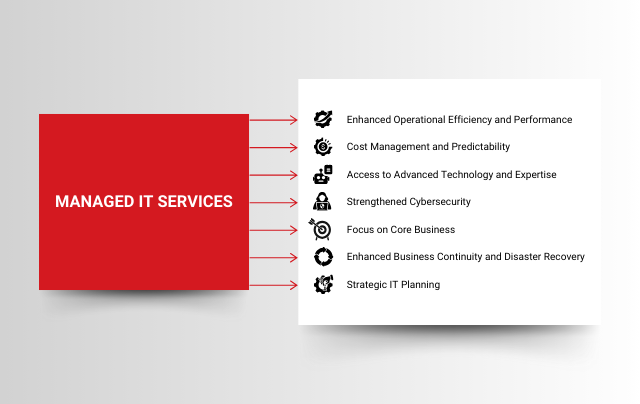
Embracing Managed Internet Services offers a wealth of advantages, particularly in a highly competitive and digital-driven marketplace. Here are some key benefits:
- Cost Efficiency: Managed services can substantially reduce operational costs. By outsourcing internet management, businesses avoid the significant expenses tied to maintaining in-house expertise and infrastructure. Instead, a predictable monthly fee replaces variable costs associated with staffing and technology upgrades.
- Enhanced Reliability: With the advent of Managed Internet Services, businesses can enjoy exceptional uptime and performance. Most providers ensure Service Level Agreements (SLAs) that guarantee specific performance metrics, giving businesses the assurance they need for critical operations.
- Scalability: Managed Internet Services can adapt to a company’s evolving needs, making it easy to scale up or down as required. This flexibility is essential for businesses experiencing rapid growth or fluctuations in demand.
- Improved Security Posture: Cybersecurity is a pressing concern for all businesses. Managed services typically incorporate advanced security measures, ensuring that potential vulnerabilities are identified and mitigated proactively, thus safeguarding sensitive data.
- Focus on Core Business: By alleviating the burden of managing internet infrastructure, businesses can redirect their attention to strategic initiatives, innovation, and customer experience, enhancing overall productivity.
- Access to Expertise: Managed services provide access to a pool of IT professionals skilled in the latest technologies and industry best practices. This expertise can be instrumental in optimising network performance and ensuring that businesses stay ahead of technology trends.
Potential Challenges to Consider
While there are numerous advantages, adopting Managed Internet Services isn’t without its challenges. Aspects such as vendor lock-in, where businesses may feel constrained by their provider’s infrastructure and services, can occur. Additionally, the quality of service can vary significantly among providers, necessitating a thorough vetting process before entering into any agreements. Support response times and service-level guarantees are also crucial factors that should be considered.
Future Trends in Managed Internet Services
The future of Managed Internet Services is poised for dynamic evolution, largely driven by advancements in technology and shifting business needs. Emerging trends include the rise of Artificial Intelligence (AI) in traffic management and cybersecurity, automation in network monitoring tasks, and the greater adoption of Edge Computing, which decentralises data processing. These innovations are expected to create more responsive and adaptive network environments that can cater to the ever-increasing demands of businesses.
The road ahead for Managed Internet Services is promising, presenting a vital opportunity for businesses to enhance their operational capabilities. As technology continues to advance, the need to adapt and implement efficient internet services will remain crucial. By investing in high-quality managed services, businesses position themselves to not just survive, but thrive in the increasingly competitive digital arena.
FAQ
What is Managed Internet Service?
Managed Internet Service (MIS) refers to a suite of networking solutions administered by third-party providers, offering services like connectivity, bandwidth management, and cybersecurity.
What are the benefits of Managed Internet Services for businesses?
Key benefits include cost efficiency, enhanced reliability, scalability, improved security posture, and access to expertise, allowing businesses to focus on their core operations.
What challenges might businesses face when adopting Managed Internet Services?
Challenges can include vendor lock-in, variability in service quality, and the need for thorough vetting of providers before agreements.
What future trends are shaping Managed Internet Services?
Emerging trends include the rise of AI in traffic management, automation in network monitoring, and greater adoption of Edge Computing.




Leave a Reply