Short Answer
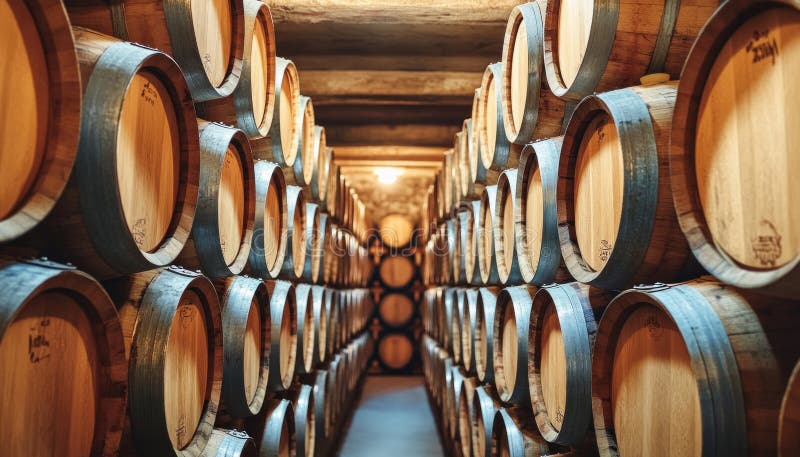
Wine, that luscious elixir that has captivated our palates for millennia, undergoes an intricate transformation when it rests in wood barrels. The ancient craft of barrel aging is not merely a practice of storage; it is an alchemical process that melds science with artistry. By exploring the various types of wood barrels used in winemaking, along with their contributions to flavour, aroma, and texture, we uncover the secrets that can elevate good wine to greatness.
Understanding the nuances of wood barrels begins with an examination of the types of wood commonly utilised in the wine industry. While oak reigns supreme, alternatives like chestnut, cherry, and acacia are also embraced in some regions. Each varietal brings its own unique characteristics to the table, impacting everything from the wine’s bouquet to its structure.
Oak Barrels: The Gold Standard
When one thinks of wine barrels, oak is often the first wood that springs to mind. Renowned for its strength and adaptability, oak interacts harmoniously with wine, facilitating both flavour and aroma development. There are several species of oak that winemakers favour, each contributing distinct qualities:
- American Oak (Quercus alba): Known for imparting bold vanilla, coconut, and sweet spice notes, American oak’s influence is particularly prominent in California wines, especially those of the Chardonnay and Zinfandel varieties.
- French Oak (Quercus petraea): Valued for its subtlety and elegance, French oak bestows more refined spice, floral, and fruit characteristics. It is often preferred for premium wines, particularly in Burgundy, where Pinot Noir and Chardonnay realise their full potential.
- Hungarian Oak (Quercus frainca): Offering a compromise between the robust American oak and the nuanced French oak, Hungarian oak is gaining traction amongst winemakers for its balanced profile, delivering spice with a touch of sweetness.
Additionally, oak barrels are often toasted before use, a process that caramelises the wood’s lignins and enhances the release of flavour compounds. This toasting varies in intensity—from light to heavy—and significantly impacts the final profile of the wine.
Chestnut Barrels: The Understated Alternative
While not as widely embraced, chestnut barrels are a fascinating alternative that holds its own in the world of wine aging. With a coarse grain, chestnut does not impart as much tannin, leading to a softer influence on the wine. This wood is particularly popular in certain Italian regions, where it is often paired with native grape varieties. The use of chestnut can result in a wine that is more fragrant, with hints of nuttiness and a generally lighter palate profile.
Cherry and Acacia: Niche Selections
Cherry wood, although rare, is lauded for its ability to reinforce fruit-forward characteristics. Wines aged in cherry barrels often exhibit an intriguing bouquet of cherries and other red fruits, enhancing the overall sensory experience. Conversely, acacia wood is celebrated for its capacity to preserve the wine’s freshness and vibrancy, often enhancing aromatic profiles without overwhelming them with wood-induced flavours. Both woods serve as excellent options for those daring enough to explore beyond traditional oak.
The Role of Barrel Size
The size of the barrel plays an equally critical role in how wine develops during aging. Standard wine barrels typically hold 225 litres, yet variations abound. Larger barrels, such as foudres (holding up to 1,000 litres) and puncheons (around 500 litres), result in slower oxygen exposure, which can lead to a more nuanced and subtle evolution in the wine’s character. Conversely, smaller barrels increase the surface area relative to volume, imparting stronger wood flavours and tannins at a quicker pace. Winemakers strategically choose the size of their barrels based on the desired ageing profile and the varietal character they aim to achieve.
Micro-Oxygenation: The Science Behind the Magic
Barrel aging is not merely an art but a science. The controlled introduction of oxygen during the ageing process—termed micro-oxygenation—can soften tannins, enhance colour stability, and promote the formation of complex flavour compounds. Oxygen, when filtered through the wood, interacts with the wine to promote maturation and the evolution of flavour profiles, resulting in a more balanced and harmonious final product.
Time and Temperature: The Perfect Pairing
Time is a key factor in the ageing process. Different varietals require varying lengths of time in oak barrels to reach their optimal flavour. For instance, light-bodied whites may need only a few months, while full-bodied reds often require years of ageing to develop their complex character. Temperature control is also paramount. Excessive heat can hasten aging but may also lead to undesirable characteristics. Winemakers carefully monitor conditions to ensure their wine’s journey in oak is neither rushed nor hindered.
Conclusion: The Artisan’s Touch
In the realm of winemaking, barrels are not merely vessels but rather pivotal instruments that shape the very essence of wine. Each type of wood, barrel size, and ageing technique contributes to unveiling the intricate tapestry of flavour and aroma in the final product. Understanding these elements not only deepens our appreciation for quality wine but also enhances our enjoyment of a timeless tradition that connects us to the past and inspires future enological explorations. As every sip reveals layers of history, geography, and artistry, it serves to remind us that greatness often resides in the details.
FAQ
What types of wood are commonly used for wine barrels?
The most common woods used for wine barrels are oak, chestnut, cherry, and acacia, each imparting unique flavors and characteristics to the wine.
How does barrel size affect wine aging?
Larger barrels result in slower oxygen exposure, leading to a more subtle evolution of flavors, while smaller barrels impart stronger wood flavors more quickly.
What is micro-oxygenation in wine aging?
Micro-oxygenation is the controlled introduction of oxygen during the aging process, which can enhance flavor complexity and soften tannins.



Leave a Reply