
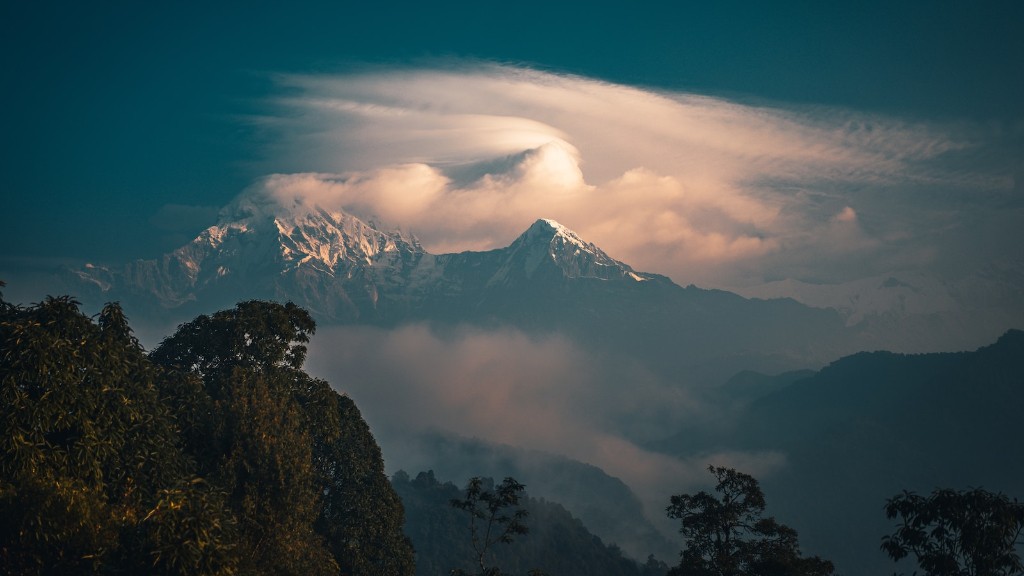
Mount Everest, the world’s tallest peak, is not merely a colossal mass of rock and ice; it is a geographical marvel that stands as a testament to the Earth’s geological evolution. Towering at an astounding height of 8,848.86 metres (29,031.7 ft), it presents a compelling nexus of natural beauty and perilous adventure. The elusive question that many ask is: where exactly is Mount Everest located? The answer is more nuanced than a mere pin on a map.
To uncover the precise location of Mount Everest, one must traverse the delicate interplay of national borders and geographical landmarks. This majestic mountain straddles two countries: Nepal and the Tibet Autonomous Region of China. The southern face of Everest, recognised and popularised through myriad expeditions, is accessible via Nepal, whereas the northern face lies within the Tibetan enclave.
As one steps into Nepal, the serene yet formidable charm of the Himalayas envelops you. The mountain, known in Nepali as ‘Sagarmatha’, plays a significant role in the country’s cultural and religious ethos. It is not just a geographical landmark but a symbol of national pride, drawing thousands of aspiring climbers and trekkers every year. The southern route to Everest, commonly taken by climbers, initiates from the bustling city of Kathmandu, which serves as a gateway to the mountain. A typically arduous trek through the verdant valleys of Sagarmatha National Park awaits those willing to embrace the challenge, culminating in the precarious yet breathtaking ascents to Base Camp.
Conversely, the Tibetan approach, known as the northern route, offers a distinctly different perspective. In Tibet, ‘Chomolungma’ is the name bestowed upon Everest, which translates to “Mother Goddess of the World”. The northern route, while less frequented, presents its own unique allure; a somewhat less crowded pathway revealing the imposing grandeur of the north face and a captivating view of the Tibetan landscape. Adventurers who embark on this journey often find themselves enchanted not only by the mountain’s majestic presence but also by the rich cultural tapestry of Tibet itself, interwoven with ancient monasteries and traditional Tibetan nomadic practices.
Geographically, the summit of Mount Everest is positioned at a strategic juncture, wherein the geological forces of the Indian plate and the Eurasian plate collide. This tectonic upheaval gives rise to the Himalayan range, a series of majestic peaks that span five nations—India, Nepal, Bhutan, China, and Pakistan. The sublime yet formidable nature of this range is enhanced by its intricate valleys, glacial lakes, and the sheer scale of the mountains themselves. This geographical context is vital; it not only contributes to the towering heights of Everest, but also influences weather patterns and ecosystems within the region.
The environment surrounding Everest encapsulates diverse climates and biospheres. The lower elevations host thriving flora and fauna, including rhododendrons, birch trees, and a myriad of animal species such as the elusive snow leopard. As one ascends, the landscape metamorphoses, morphing into stark glacial expanses and rocky terrains. The air thins, and temperatures plummet, culminating in a frigid climate that can be unforgiving for even the most seasoned mountaineers. The climatic conditions dominate not just the physical aspects of climbing but also impart a spiritual reverence; the mountain is seen by many as a sacred entity that commands respect from all who behold it.
The dual nationality of Mount Everest is a thriving point of interest, particularly in discussions about the geopolitics of the region. The border, drawn along the lofty spines of the Himalayas, reflects historical intricacies and changing political landscapes. Expeditions often require cooperation between Nepali authorities and Tibetan officials, which adds layers of bureaucratic navigation to the adventure. This symbiotic relationship between two nations over the mountain raises questions about sovereignty, access, and the ever-present need for preservation amid the surging waves of tourism.
Tourism, while vital for the economies of both Nepal and Tibet, poses an enduring challenge. The influx of trekkers and climbers inevitably leads to environmental concerns—waste management, ecological disturbances, and the preservation of the local culture and traditions hang in the balance. Responsible tourism has emerged as a critical discussion point, prompting the need for sustainable practices that protect the sanctity of Everest, its ecosystems, and the communities that dwell in its shadows.
In contemplating the geographical grandeur and cultural significance of Mount Everest, one cannot overlook the tales spun by its summit. Climbers from all walks of life have sought to conquer its formidable heights, drawn not only by the physical challenge but by an innate desire to connect with something larger than themselves. Each ascent embodies a personal odyssey, a push beyond the limits of human endurance. The mountain, often elusive to those who chase after it, serves as a powerful reminder of the peaks we aspire to reach, both literally and metaphorically.
In conclusion, the wonder of Mount Everest lies not solely in its measurement as the tallest mountain on Earth. Its significance intertwines with the borders of Nepal and Tibet, the historical narratives that shape its landscapes, and the rich cultures that inhabit its vicinity. To truly appreciate where Mount Everest is located—both geographically and symbolically—is to delve into an intricate tapestry of human aspiration, environmental stewardship, and the unyielding forces of nature. Such understanding compels us to embrace respect for this majestic titan, as we navigate the delicate balance between human ambition and the preservation of one of Earth’s most treasured marvels.








Leave a Comment