Short Answer
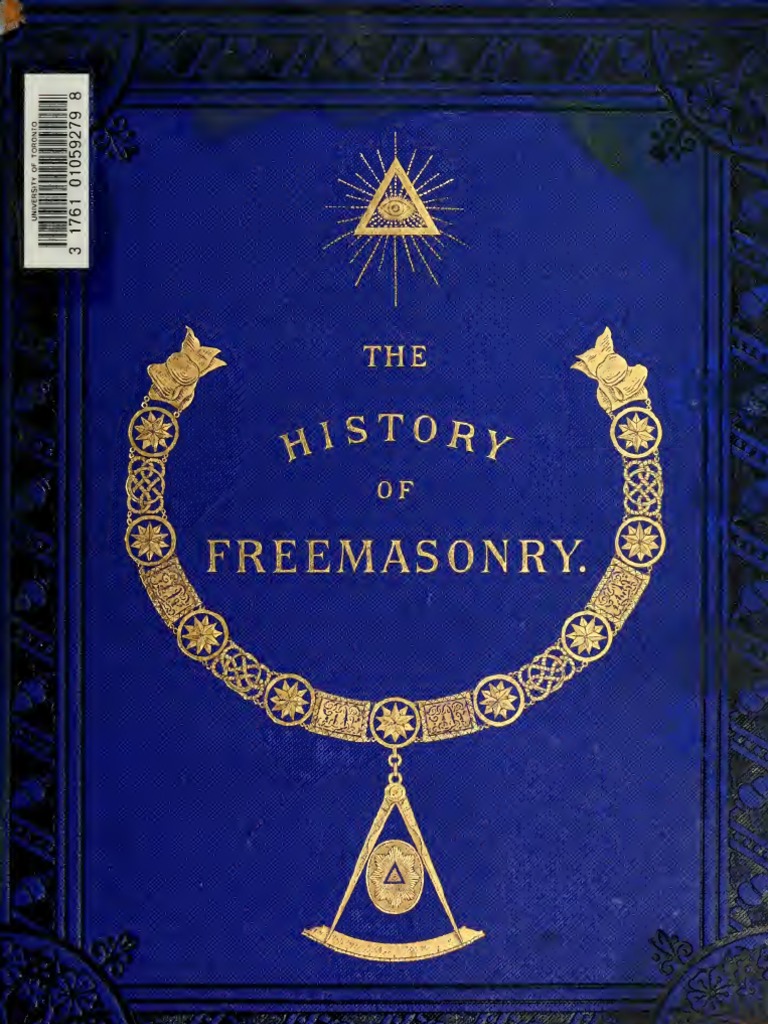
Freemasonry, a mystical and esoteric society, often elicits curiosity among those who encounter it. With its intriguing blend of ancient traditions, symbolic imagery, and a profound sense of community, it has captivated the minds of many. This article delves deeply into the intriguing realm of Freemasonry, exploring its historical origins, core beliefs, and the multifaceted symbols that typify its practice.
Historical Origins
The mores of Freemasonry can be traced back to the late 16th and early 17th centuries, emerging from the stone-mason guilds of medieval Europe. These guilds were not merely occupational groups; they were amalgamations of skilled craftsmen who upheld rigorous standards and practised a form of secrecy. As the Enlightenment dawned and intellectual thought burgeoned, metaphysical concepts began to intermingle with the traditional tenets of these guilds.
In 1717, the first Grand Lodge was formed in London, marking a pivotal moment in the evolution of Freemasonry. This institutionalisation served to standardise practices and protocols, drawing in a diverse membership that included individuals from various echelons of society. By the 18th century, Freemasonry had transcended its artisanal roots and morphed into a fraternal organisation characterised by its profound commitment to moral and ethical ideals.
Core Beliefs
The beliefs inherent in Freemasonry are steeped in a rich tapestry of philosophical thought, combining elements of morality, personal responsibility, and a commitment to the betterment of society. At its core, Freemasonry advocates for a belief in a Supreme Being, referred to as the “Grand Architect of the Universe.” This concept underscores the organisation’s theistic nature whilst allowing for a spectrum of religious interpretations.
Members are encouraged to pursue wisdom, seek truth, and foster a sense of fraternity among one another. An essential aspect of Freemasonry is the emphasis on moral rectitude; members are urged to practice benevolence, and charity, and to contribute positively to their communities. The ideal of self-improvement resonates deeply, as the Masonic journey is seen as an arduous pilgrimage toward enlightenment.
Moreover, the fraternity endorses the principles of democracy and equality among its members, regardless of social status, race, or religion. This egalitarian ethos has drawn many to its ranks, providing a refuge where diverse individuals unite under common moral principles.
Symbols and Their Significance
Freemasonry is replete with symbols, each with profound significance and layered meanings. These emblems serve not only as instructional tools but also as reminders of the values and teachings that underpin the fraternity.
- The Square and Compasses: Perhaps the most recognisable symbol, the Square and Compasses represent the principles of morality and virtue. The square serves as a reminder to “square our actions” with integrity, while the compasses encourage members to understand their limits and boundaries.
- The Letter ‘G’: Often situated at the midpoint of the Square and Compasses, the letter ‘G’ signifies both God and Geometry. It serves as a reminder of the divine connection in the universe and the importance of rational thought and scientific inquiry in understanding our world.
- The Trowel: This tool symbolises the act of spreading brotherly love. It embodies the notion of fostering relationships among members and building a supportive and cohesive community.
- The All-Seeing Eye: This symbol represents divine providence and protection. Its presence reminds Masons of the omniscience of the Grand Architect, watching over their every action.
- The Pillars: Often depicted as Jachin and Boaz, these pillars symbolise strength and establishment. They mark the entrance to the Masonic temple and serve as a reminder of the dualities present in life, such as wisdom and strength.
These symbols play an integral role in Masonic allegories and rituals, imbuing them with meaning and fostering a shared language among members. Each symbol acts not only as a practical teaching device but also as a conduit for deeper philosophical inquiry.
Why the Fascination?
The intrigue surrounding Freemasonry is palpable and multifaceted. For many, it represents an avenue for self-discovery and moral contemplation. The structured teachings and the rich lore provide a sense of direction in an often chaotic world. Moreover, the layers of secrecy surrounding the fraternity cultivate an air of mystery that beckons the curious-minded. Such esoteric societies often serve as a refuge for individuals seeking deeper understanding in an age dominated by superficiality.
The camaraderie found within Masonic lodges fosters a sense of belonging that is increasingly rare in contemporary society. Long-standing traditions, rituals, and allegories provide a canvas for personal growth, allowing members to navigate their spiritual journeys while building lasting friendships.
Furthermore, the historical context in which Freemasonry flourished, entwined with significant political movements and philosophical developments, adds to the allure. The fraternity has been associated with pivotal moments in history, such as the American and French revolutions, stirring an ongoing debate about its influence on societal transformations.
Conclusion
Freemasonry, with its rich historical roots, deep-seated beliefs, and intricate symbols, continues to captivate and inspire. It serves as a nuanced reflection of humanity’s quest for understanding, connection, and self-betterment. As its members strive to embody the principles of brotherhood, moral integrity, and enlightenment, Freemasonry remains a testament to the enduring allure of mystery and knowledge.
FAQ
What is Freemasonry?
Freemasonry is a fraternal organization that promotes moral and ethical values through a system of symbolic teachings and community engagement.
What are the core beliefs of Freemasonry?
Core beliefs include a belief in a Supreme Being, the importance of moral integrity, personal responsibility, and the pursuit of wisdom and truth.
What do the symbols in Freemasonry represent?
Symbols in Freemasonry, such as the Square and Compasses and the All-Seeing Eye, represent moral principles, divine providence, and a shared language among members.
Why is there fascination with Freemasonry?
The fascination stems from its rich history, philosophical depth, and the aura of mystery surrounding its practices and teachings.
FAQ
What is Freemasonry?
Freemasonry is a fraternal organization that promotes moral and ethical values through a system of symbolic teachings and community engagement.
What are the core beliefs of Freemasonry?
Core beliefs include a belief in a Supreme Being, the importance of moral integrity, personal responsibility, and the pursuit of wisdom and truth.
What do the symbols in Freemasonry represent?
Symbols in Freemasonry, such as the Square and Compasses and the All-Seeing Eye, represent moral principles, divine providence, and a shared language among members.
Why is there fascination with Freemasonry?
The fascination stems from its rich history, philosophical depth, and the aura of mystery surrounding its practices and teachings.



Leave a Reply