
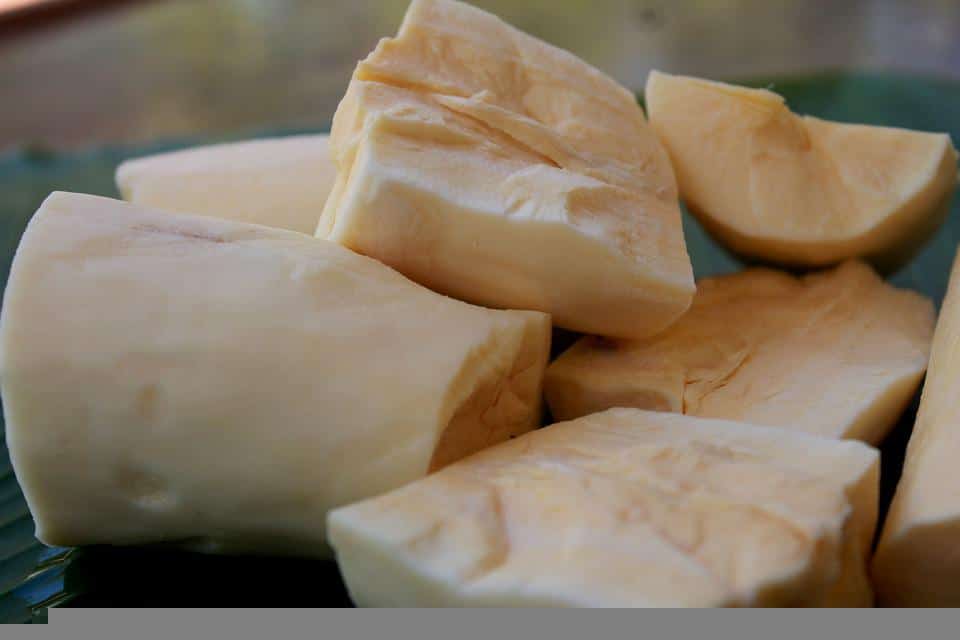
Yuca. Perhaps the name conjures images of exotic locales or the tantalizing aroma of unfamiliar cuisine. Whatever your initial impression, this starchy tuber, also known as cassava, merits a deeper exploration than a cursory glance might afford. Its flavor profile is surprisingly nuanced, a canvas upon which a diverse range of culinary traditions have painted their masterpieces. Forget the bland connotations often associated with root vegetables; yuca, when properly prepared, offers a singular gustatory experience.
What then, does yuca truly taste like? The answer, like a fractal pattern, reveals ever-increasing complexity as one delves further. Initially, a subtle sweetness greets the palate, reminiscent of a muted potato, yet with an earthier, more grounded undertone. This initial impression, however, is merely the prelude to a more profound sensorial journey.
The Textural Tapestry: Beyond the Taste Buds
The texture of yuca significantly impacts its perceived flavor. Boiled yuca, for instance, develops a soft, almost yielding consistency, not unlike a well-cooked russet potato. In this state, the mild sweetness becomes more pronounced, making it an ideal accompaniment to savory dishes. The act of frying, on the other hand, transforms the yuca into a crispy, golden-brown delight, akin to a perfectly executed French fry, but with a distinct starchy density. This textural contrast – the crunchy exterior giving way to a soft, fluffy interior – elevates the flavor profile, introducing a satisfying mouthfeel that is crucial to the overall experience. Furthermore, the presence of fibers in the flesh adds a delightful chewiness.
A Symphony of Flavors: Preparation is Paramount
The preparation method is the alchemical key that unlocks yuca’s full potential. Raw yuca contains cyanogenic glycosides, compounds that, when ingested, can release cyanide. Thus, proper cooking is not merely a matter of taste, but of safety. Boiling, baking, frying, and even grilling are all viable methods, each imparting a unique flavor dimension.
Consider, for instance, the difference between boiled and fried yuca. Boiled yuca, often served with mojo (a garlic and citrus-based sauce), retains a subtle sweetness and a somewhat creamy texture. Frying, however, intensifies the starchy character of the yuca, creating a more robust and satisfying flavor. The Maillard reaction, the chemical process responsible for the browning of food, contributes significantly to the fried yuca’s appeal, imparting a nutty, almost caramelized flavor.
The Global Palate: Yuca Across Cultures
Yuca’s versatility has made it a staple food in numerous cultures around the world. In Latin America, it is often used to make “casabe,” a flatbread that has been a dietary cornerstone for centuries. In Africa, it is pounded into “fufu,” a dough-like dish served with soups and stews. In Asia, it is used to produce tapioca pearls, a key ingredient in bubble tea and other desserts.
Each culture has developed its own unique culinary traditions around yuca, further demonstrating its adaptability. Brazilians often enjoy “pão de queijo,” cheese bread made with tapioca flour. In the Caribbean, yuca is often boiled with salt and served as a side dish. Across these diverse applications, the underlying flavor of yuca remains a constant, a subtle canvas upon which a multitude of culinary expressions can be painted.
Beyond the Basics: Exploring Advanced Applications
Beyond simple preparations, yuca can be transformed into a wide array of culinary creations. Yuca flour, a gluten-free alternative to wheat flour, can be used to bake bread, cakes, and other pastries. Yuca starch, also known as tapioca starch, is a versatile thickening agent used in soups, sauces, and desserts. Its use extends even further, finding applications in the industrial production of biodegradable plastics and biofuels. The myriad of uses highlights the inherent value of the tuber.
A Subtle Harmony: Pairing Yuca with Other Flavors
Yuca’s mild flavor profile makes it an ideal complement to a wide range of ingredients. Its starchy character pairs well with rich, savory flavors, such as those found in braised meats, stews, and curries. The sweetness of yuca can be balanced by acidic sauces, such as mojo or chimichurri. Its ability to absorb flavors also makes it a wonderful addition to soups and stews, where it can soak up the surrounding broths and spices.
Furthermore, yuca’s textural versatility allows it to be paired with ingredients of varying consistencies. The soft, yielding texture of boiled yuca contrasts beautifully with the crispness of fried meats or vegetables. The crunchy exterior of fried yuca pairs well with creamy dips and sauces.
A Culinary Chameleon: Adapting to Diverse Palates
Ultimately, the taste of yuca is a complex interplay of texture, preparation, and cultural context. While its inherent flavor is subtle, its versatility allows it to adapt to a wide range of palates. Whether boiled, fried, baked, or ground into flour, yuca offers a unique culinary experience that is both satisfying and surprisingly nuanced. It is a culinary chameleon, capable of adapting to diverse flavors and textures, making it a valuable ingredient in kitchens around the world.
Consider this: next time you encounter yuca, approach it not as a simple root vegetable, but as a blank canvas awaiting your culinary inspiration. Experiment with different preparations, explore diverse cultural traditions, and discover the subtle symphony of flavors that this remarkable tuber has to offer. You might find it becomes your new favorite ingredient.






Leave a Comment