Short Answer
Overview
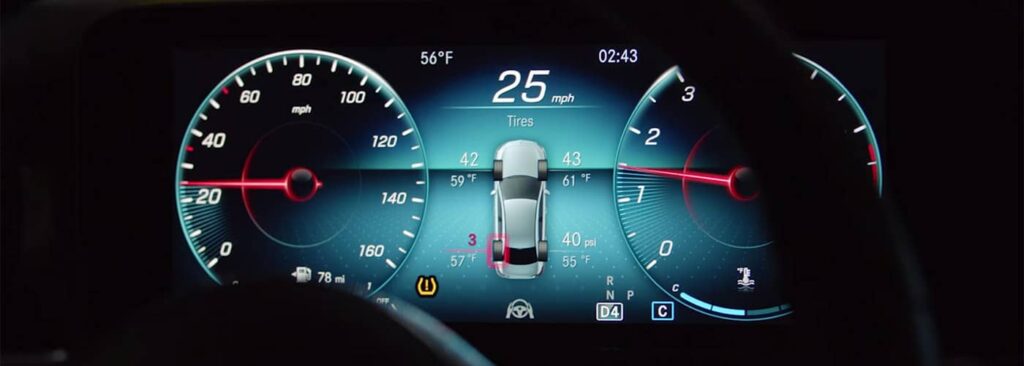
TPMS stands for Tire Pressure Monitoring System. It is an electronic system installed in vehicles designed to monitor the air pressure inside pneumatic tires. The system alerts the driver when the tire pressure falls below or rises above the recommended levels, typically via a dashboard indicator light. Maintaining appropriate tire pressure is essential for vehicle safety, optimal fuel efficiency, and tire longevity. TPMS can be either direct, using pressure sensors inside each tire, or indirect, relying on the vehicle’s anti-lock braking system (ABS) sensors to detect tire pressure changes through wheel speed variations.
History / Background
The development of TPMS began in response to safety concerns related to underinflated tires, which can lead to tire failure and accidents. In the United States, TPMS became a regulatory requirement with the TREAD (Transportation Recall Enhancement, Accountability and Documentation) Act passed in 2000 after the Firestone tire controversy. This legislation mandated that all new passenger vehicles sold from 2007 onward be equipped with TPMS. Since then, TPMS has been widely adopted globally and has evolved with advances in sensor technology, becoming a standard feature in most modern vehicles.
Importance and Impact
TPMS plays a significant role in enhancing vehicle safety by providing real-time information about tire pressure to drivers. Proper tire inflation improves handling, braking, and overall vehicle stability, reducing the risk of accidents caused by tire blowouts or loss of control. Additionally, maintaining correct tire pressure improves fuel economy, reduces tire wear, and lowers greenhouse gas emissions. This system also helps drivers avoid costly repairs and roadside emergencies, contributing to overall vehicle maintenance and reliability.
Why It Matters
For drivers today, TPMS is a practical tool that assists in maintaining safe driving conditions without the need for manual tire pressure checks. It provides early warnings to prevent unsafe tire conditions, which can be especially important during long trips or in extreme weather. Understanding what TPMS means and recognizing its alerts can help drivers take timely action to ensure their tires are properly inflated, thereby enhancing safety and saving money on fuel and tire replacement.
Common Misconceptions
TPMS replaces the need to check tire pressure manually.
While TPMS alerts to abnormal tire pressure, it does not substitute regular manual checks, which are necessary to ensure precise tire inflation and system accuracy.
TPMS warnings always mean a tire is flat.
A TPMS warning can indicate low pressure, high pressure, or sensor malfunctions; it does not exclusively signify a flat tire.
FAQ
What does the TPMS warning light look like?
The TPMS warning light typically looks like an exclamation mark inside a horseshoe shape, representing a flat tire. It appears on the dashboard when tire pressure is outside recommended limits or when the system detects a fault.
How often should I check my tire pressure if my car has TPMS?
Even with TPMS, it is recommended to check tire pressure manually once a month and before long trips, as TPMS may not detect gradual pressure loss or sensor malfunctions.
What are the differences between direct and indirect TPMS?
Direct TPMS uses pressure sensors inside each tire to measure pressure directly, providing precise readings. Indirect TPMS estimates tire pressure by monitoring wheel speed data from the ABS system, which is less accurate but typically less expensive.

Leave a Reply