
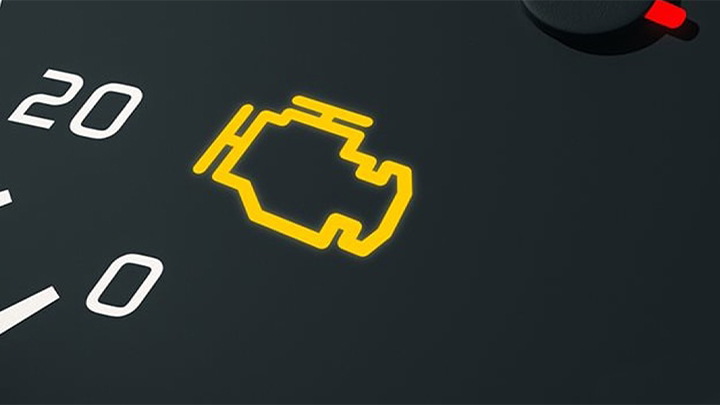
The harbinger of vehicular vexation, that blinking, glaring engine management light (EML), often throws drivers into a spiral of automotive anxiety. Its incessant flashing isn’t just a nuisance; it’s a diagnostic cry for help from your car’s intricate network of sensors and systems. Ignore it at your peril. What exactly does this intermittent illumination portend? Prepare to delve into the multifaceted world of engine diagnostics, where we demystify the flashing EML and equip you with the knowledge to navigate this automotive enigma. Consider this your comprehensive compendium.
Decoding the Flashing: Severity and Immediacy
First and foremost, a flashing EML is fundamentally different from a solid, steady light. A solid light typically indicates a problem that requires attention, but doesn’t necessarily demand immediate cessation of driving. However, a *flashing* light is an urgent clarion call. It signifies a severe malfunction that could cause significant damage to your engine or other critical components if left unaddressed. Think of it as your car screaming for help. The urgency cannot be overstated.
The primary culprit behind a flashing EML is often a misfire. But what is a misfire, precisely?
Misfires: The Prime Suspect
A misfire occurs when one or more of your engine’s cylinders fails to combust fuel properly. This can stem from a plethora of issues, including faulty spark plugs, defective ignition coils, vacuum leaks, or even problems with the fuel injectors. The unburnt fuel, instead of contributing to propulsion, is then expelled into the exhaust system. This is where the real trouble begins. The catalytic converter, responsible for reducing harmful emissions, can be irrevocably damaged by this unburnt fuel. Replacement of the catalytic converter is an expensive proposition. The flashing light is there to prevent that scenario.
Beyond Misfires: Other Potential Culprits
While misfires are the most common instigators, other, less frequent but equally serious, issues can trigger a flashing EML. These include:
- Sensor Malfunctions: Oxygen sensors, mass airflow (MAF) sensors, and crankshaft position sensors all play critical roles in engine management. A faulty sensor can send erroneous data to the engine control unit (ECU), leading to performance issues and a flashing light.
- Fuel System Problems: Issues with fuel pressure, a clogged fuel filter, or a failing fuel pump can disrupt the air-fuel mixture, causing the engine to run lean or rich and trigger the warning.
- Emissions Control Issues: Problems within the evaporative emissions (EVAP) system or other emissions-related components can also illuminate the EML.
- Transmission Problems: In some vehicles, certain transmission-related faults can trigger the EML, particularly if they impact engine performance or emissions.
The Diagnostic Dance: What to Do When the Light Flashes
The flashing EML necessitates immediate action. The following steps are recommended:
- Cease Driving (When Safe): If the light begins to flash while driving, and it is safe to do so, pull over to the side of the road as soon as possible. Continuing to drive with a flashing light can exacerbate the underlying problem and lead to more costly repairs.
- Observe and Note: Pay close attention to any unusual noises, smells, or performance changes. Is the engine running rough? Is there a noticeable loss of power? Are there any unusual vibrations? Documenting these observations can be invaluable for the mechanic.
- Consult a Professional: The most prudent course of action is to immediately seek the assistance of a qualified mechanic. They possess the diagnostic tools and expertise to accurately identify the root cause of the problem.
- Diagnostic Scan: The mechanic will use a diagnostic scanner to retrieve the stored trouble codes from the ECU. These codes provide valuable clues about the nature of the fault. Remember, the code itself is just a starting point; proper diagnosis requires further investigation.
- Comprehensive Inspection: The mechanic should conduct a thorough inspection of the engine, fuel system, ignition system, and other relevant components. This may involve testing individual components, checking for leaks, and examining wiring harnesses.
- Repair and Verification: Once the problem has been identified, the necessary repairs should be performed. After the repairs are completed, the mechanic should clear the trouble codes and verify that the EML no longer illuminates. A test drive is often recommended to ensure the problem has been resolved.
Preventive Measures: Keeping the Light at Bay
While unforeseen issues can always arise, proactive maintenance can significantly reduce the likelihood of encountering a flashing EML. Consider the following:
- Regular Maintenance: Adhere to the manufacturer’s recommended maintenance schedule, including oil changes, spark plug replacements, and filter changes.
- Fuel Quality: Use high-quality fuel from reputable sources. Avoid using fuel with a lower octane rating than recommended for your vehicle.
- Prompt Attention to Minor Issues: Address any minor performance issues, such as rough idling or hesitation, promptly. Small problems can often escalate into larger, more costly repairs if left unaddressed.
- Regular Inspections: Have your vehicle inspected by a qualified mechanic on a regular basis, even if there are no apparent problems. Early detection of potential issues can prevent them from developing into serious malfunctions.
The flashing engine management light is more than just an annoying dashboard decoration; it’s a vital warning sign that demands immediate attention. Understanding the potential causes and taking appropriate action can prevent costly repairs and ensure the longevity of your vehicle. Embrace the role of a proactive owner, and you will be well-equipped to navigate the complexities of automotive maintenance.





Leave a Comment