
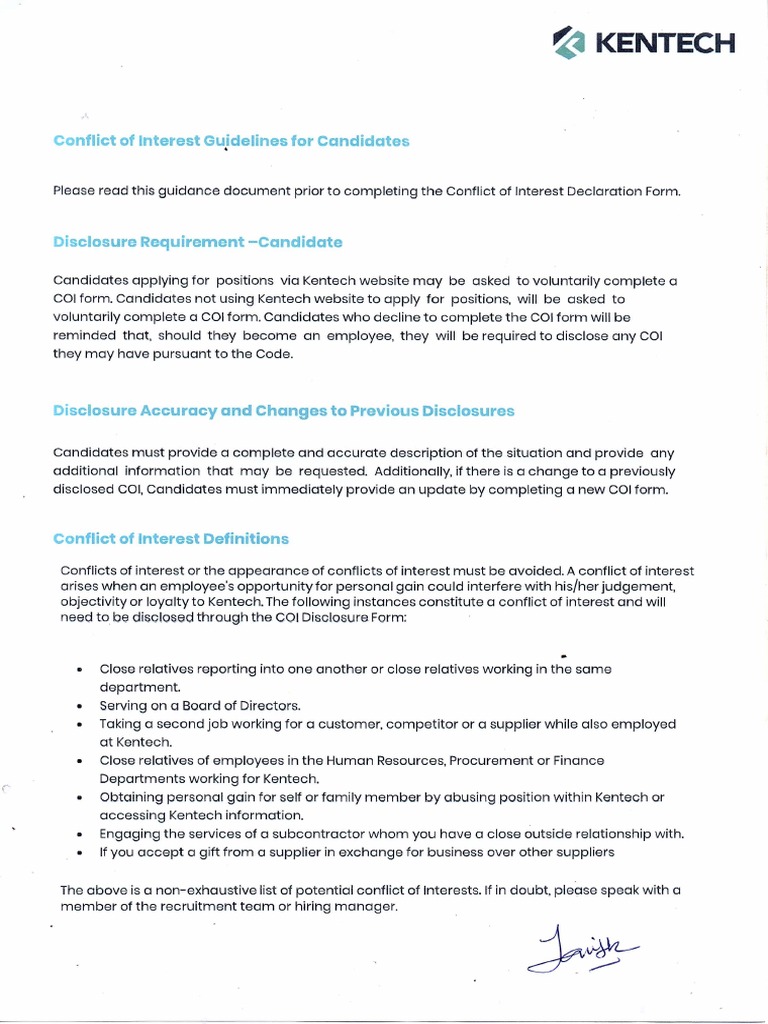
The acronym “COI” frequently surfaces in diverse professional domains, particularly within research, governance, and journalism. A seemingly simple abbreviation, it encapsulates a complex web of ethical considerations and potential pitfalls. It is, at its core, shorthand for “Conflict of Interest.” However, understanding its implications necessitates a deeper dive beyond the mere definition.
COI isn’t merely about the presence of a competing allegiance. It speaks to the *risk* that an individual’s judgment or actions will be unduly influenced by a secondary interest, compromising their primary obligations. This secondary interest, often financial, but equally capable of being personal or professional, creates a precarious situation. The fascination stems from the inherent tension it exposes: the fragility of objectivity and the ever-present potential for bias.
To fully comprehend the significance of COI, it is crucial to dissect its constituent parts and various manifestations:
I. Decoding the Acronym: Conflict, Interest, and Their Interplay
The term “Conflict” signifies a clash or incompatibility. In this context, it represents the potential collision between an individual’s duty to act in the best interest of one party (e.g., their employer, the public) and their own personal gain or obligation to another party. An individual’s personal gain takes many forms. This could be direct monetary benefit or something as subtle as bolstering their reputation within a particular sphere. Sometimes, the conflict is not overtly apparent but arises from a perceived obligation.
The term “Interest” refers to a stake or advantage that an individual possesses. This can encompass financial holdings, business affiliations, familial relationships, or even strongly held personal beliefs. It is important to note that the mere existence of an interest does not automatically constitute a conflict. The crucial element is the *potential* for that interest to compromise impartial decision-making. A small stock holding in a multinational corporation might not raise eyebrows for a junior analyst, but the same holding for a regulator charged with overseeing that corporation is a wholly different matter.
II. Delving into Types of Conflicts of Interest
Conflicts of interest are not monolithic entities. They manifest in a variety of forms, each with its own nuances and potential consequences.
A. Financial Conflicts: This is perhaps the most readily understood category. It involves situations where an individual’s financial interests – stocks, investments, consulting fees, etc. – could incentivize them to make decisions that benefit them personally rather than the organization or public they are serving. Imagine a researcher receiving funding from a pharmaceutical company while conducting trials on that company’s drug. The potential for bias in data collection and interpretation is palpable.
B. Personal Conflicts: These arise from relationships – familial, romantic, or close friendships – that could influence an individual’s decisions. Nepotism is a prime example, where preferential treatment is given to relatives or close associates. Even without explicit intent, unconscious biases can subtly sway judgment in favor of those one is close to.
C. Professional Conflicts: These involve situations where an individual’s professional affiliations or ambitions could compromise their objectivity. For instance, a reviewer for a scientific journal might be less critical of a paper authored by a colleague whose work they admire, even if the methodology is flawed. An individual might even seek to sabotage competitors. The lines between legitimate professional networking and compromising behavior can become blurred in these situations.
D. Institutional Conflicts: This category pertains to conflicts that arise at the organizational level. Universities, hospitals, and other institutions can face conflicts when their own financial interests, such as endowment investments, clash with their research or educational mission. These can be particularly difficult to manage, as they involve complex layers of responsibility and accountability.
III. Unpacking the Consequences: Why COI Matters
The ramifications of unmanaged conflicts of interest are far-reaching, impacting trust, integrity, and ultimately, the effectiveness of institutions and systems.
Erosion of Trust: When individuals perceive that decisions are being made based on self-interest rather than objective criteria, trust in those individuals and the institutions they represent diminishes. This can lead to cynicism and disengagement, undermining social cohesion.
Compromised Integrity: Conflicts of interest can incentivize individuals to compromise their ethical standards and engage in dishonest or unethical behavior. This can have devastating consequences for individuals, organizations, and society as a whole.
Distorted Outcomes: The most insidious consequence is the distortion of outcomes. Biased research, unfair regulations, and skewed resource allocation can all result from unchecked conflicts of interest, leading to inefficient and inequitable systems.
IV. Mitigation Strategies: Navigating the COI Minefield
Addressing conflicts of interest requires a multi-pronged approach, encompassing transparency, disclosure, and robust oversight mechanisms.
Disclosure Policies: Establishing clear and comprehensive disclosure policies is paramount. Individuals should be required to disclose any potential conflicts of interest, allowing for informed assessment and appropriate management. The act of disclosure itself can serve as a deterrent, prompting individuals to consider the ethical implications of their actions.
Recusal and Impartiality: In situations where a conflict of interest cannot be effectively managed, recusal – the act of stepping aside from decision-making – may be necessary. Similarly, establishing firewalls or independent review processes can help ensure impartiality.
Oversight and Enforcement: Robust oversight mechanisms, including independent ethics committees and whistleblower protection programs, are crucial for ensuring compliance and accountability. Enforcement mechanisms, such as sanctions and disciplinary actions, send a clear message that conflicts of interest will not be tolerated.
Training and Education: Equipping individuals with the knowledge and skills to identify and manage conflicts of interest is essential. Comprehensive training programs can raise awareness, promote ethical decision-making, and foster a culture of integrity. Regular refresher courses help to keep these principles top of mind.
In summation, “COI” represents more than just an abbreviation. It embodies a fundamental challenge to ethical governance and impartial decision-making. Acknowledging and actively managing conflicts of interest is not merely a matter of compliance; it is a prerequisite for maintaining trust, integrity, and the effective functioning of institutions across all sectors.





Leave a Comment