
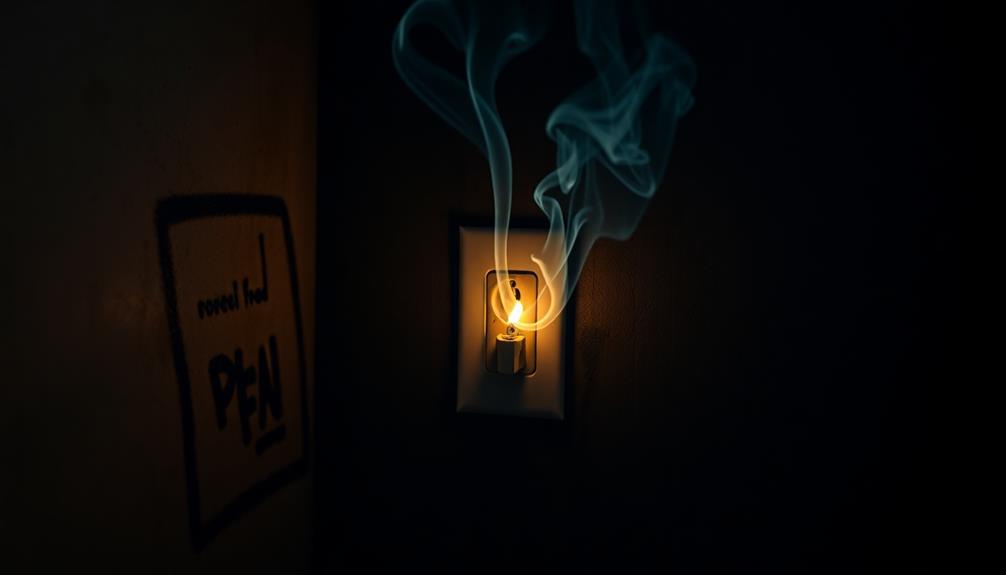
The olfactory sense, that primal receptor of environmental cues, often serves as an early warning system. When it comes to electrical malfunctions, a peculiar range of odors can signify imminent danger. The scent is not always the acrid tang of burning rubber one might expect; instead, it presents in multifaceted ways, each offering a clue to the underlying electrical havoc. Understanding these olfactory signatures can be instrumental in preventing catastrophic consequences. Let us dissect the nuanced smells associated with electrical fires.
The Burning Plastic Bouquet
One of the most prevalent scents associated with electrical problems is the smell of burning plastic. Electrical wiring, appliances, and electronic components are encased in various types of plastic polymers. These plastics, when subjected to excessive heat caused by short circuits or overloaded circuits, begin to degrade and off-gas. The specific smell can vary depending on the type of plastic involved. Polyvinyl chloride (PVC), commonly used in wire insulation, emits a distinct, sharp, chemical odor. Other plastics, like polyethylene or polypropylene, might give off a sweeter, almost waxy smell when they burn.
It’s more than just the plastic sheathing around wires. Think about the casings of televisions, computers, and even the humble power strip. These are all potential sources of that tell-tale burning plastic aroma. Ignoring this scent is akin to disregarding a blaring siren – a critical oversight.
The Ominous Ozone Undertones
Ozone, a triatomic allotrope of oxygen, possesses a sharp, pungent odor often described as similar to chlorine or the air after a lightning storm. Electrical arcing, a phenomenon where electricity jumps between two points, generates ozone as it ionizes the surrounding air. This arcing can occur in loose connections, damaged wiring, or malfunctioning electrical equipment. The presence of an ozone-like smell, even without visible smoke, can be a strong indicator of an electrical issue that requires immediate attention.
Think about it: this isn’t your run-of-the-mill musty odor. Ozone has a distinctly metallic, almost sterile, edge. It’s the smell of electricity itself tearing through the air. A fleeting whiff might be dismissed, but a persistent presence warrants immediate investigation. Consider that ozone is also a powerful oxidizer and can damage organic materials and respiratory tissues.
The Acrid Aroma of Burning Rubber
Rubber, another common material in electrical systems, particularly in insulation and appliance cords, produces a distinctly acrid and pungent smell when burned. This odor is often more intense and irritating than the smell of burning plastic. The presence of this smell suggests that a rubber component is overheating or directly involved in the electrical fault. The fumes released from burning rubber can be toxic, further emphasizing the urgency of addressing the situation.
Many older appliances utilize rubber components that are more susceptible to degradation over time. Consider the rubber insulation in the wiring of a vintage lamp or the power cord of an antique radio. These are prime candidates for emitting that acrid aroma when things go awry.
The Metallic Musings: Burning Metal
While less common than burning plastic or rubber, the smell of burning metal can occur in severe electrical fires. This smell is usually associated with the melting or burning of metal conductors, such as copper or aluminum wires, or the metallic components within electrical equipment. The intensity of the smell can vary depending on the type and amount of metal involved. It is generally a sharper, more acrid smell than that of burning plastic. This smell often indicates a significant and dangerous electrical fault.
Think about the smell of a welder at work, that harsh, metallic tang in the air. That’s the essence of what you might encounter in an electrical fire involving metallic components. The smell often indicates a catastrophic failure.
The Subtle Smolder of Burning Wood or Paper
In some cases, an electrical fault might not directly involve burning plastic or rubber but could ignite nearby combustible materials such as wood, paper, or fabric. This secondary ignition can result in the characteristic smell of burning wood or paper. The presence of this smell indicates that the electrical fault has progressed to a more dangerous stage and poses a significant fire hazard. This smell is a clear indication that immediate action is required to extinguish the fire and prevent further damage.
Imagine a faulty wire sparking near a stack of newspapers or a wooden shelf. The resulting fire might initially present as a subtle, smoky aroma, gradually escalating as the flames take hold. Early detection is paramount in preventing the escalation.
The Lingering Enigma of “Something’s Wrong”
Sometimes, the smell isn’t easily identifiable as burning plastic, rubber, or metal. It’s more of a general “something’s wrong” smell. It could be a combination of faint, unusual odors that collectively suggest an electrical issue. This vague sense of unease should not be ignored. Investigate any unusual smell, especially if it is accompanied by other signs of electrical problems, such as flickering lights, warm outlets, or a buzzing sound.
Humans often rely on pattern recognition. When a new, unfamiliar odor arises in a familiar environment, it triggers an alarm. Trust your instincts. Even if you can’t pinpoint the exact source, investigate. A proactive approach is always the best defense.
In conclusion, the olfactory landscape of an electrical malfunction is diverse and nuanced. Recognizing the distinct smells associated with electrical fires can provide valuable early warnings, potentially preventing severe damage and ensuring safety. Be vigilant, trust your senses, and never dismiss an unusual or concerning smell.






Leave a Comment