
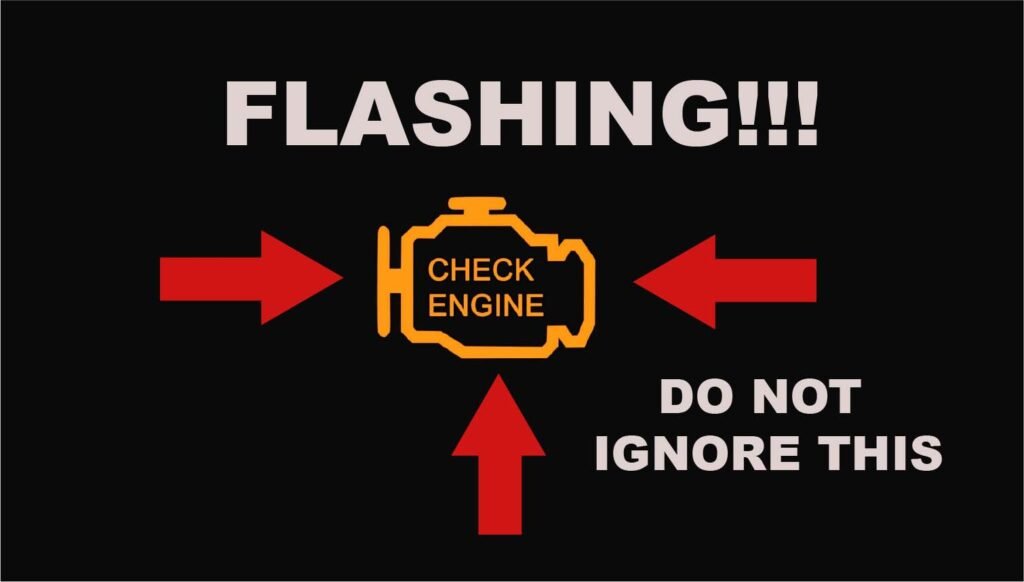
A blinking check engine light. It’s the automotive equivalent of a persistent, nagging cough, hinting at something far more sinister than a mere tickle in the throat. While a steady check engine light often signals a minor ailment, a flashing beacon is a dire warning, a crimson alert demanding immediate attention. Ignoring it is akin to dismissing a fire alarm – potentially catastrophic. This article delves into the ominous world of the blinking check engine light, unraveling its cryptic messages and outlining the necessary steps to avert vehicular disaster.
The Anatomy of the Warning: Deciphering the Flash
The check engine light, officially termed the Malfunction Indicator Lamp (MIL), is the vehicle’s self-diagnostic system’s primary means of communication. A solid light indicates a fault that should be addressed, but a flashing light signifies a severe misfire. A misfire occurs when one or more of the engine’s cylinders fail to combust fuel properly. Think of your engine as a meticulously choreographed dance, each cylinder moving in perfect synchronization. A misfire throws off this rhythm, causing a disruptive stutter in the engine’s operation. This incomplete combustion leads to raw fuel entering the exhaust system, which in turn, can wreak havoc on the catalytic converter. This component, crucial for reducing harmful emissions, is highly susceptible to damage from unburnt fuel, leading to costly repairs.
The Prime Suspects: Common Causes of a Flashing Check Engine Light
Pinpointing the precise cause of a flashing check engine light can be a complex endeavor. However, several culprits are frequently implicated:
- Misfiring Spark Plugs: Spark plugs are the igniters of the combustion process. When they become fouled, worn, or damaged, they can fail to generate a sufficient spark, leading to misfires. Replacing spark plugs is often a relatively inexpensive and straightforward repair.
- Faulty Ignition Coils: Ignition coils amplify the voltage to the spark plugs. If a coil malfunctions, it can prevent a spark plug from firing, resulting in a misfire. Modern vehicles often have individual coils for each cylinder, making diagnosis more precise.
- Clogged or Leaky Fuel Injectors: Fuel injectors spray a precise amount of fuel into the cylinders. Clogging restricts fuel flow, while leaks introduce too much. Both scenarios disrupt the air-fuel mixture, causing misfires. Professional cleaning or replacement may be required.
- Vacuum Leaks: A vacuum leak introduces extraneous air into the engine, leaning out the air-fuel mixture and triggering misfires. These leaks can occur in various hoses and seals throughout the engine compartment.
- Catalytic Converter Issues: While a misfire can damage the catalytic converter, a failing converter can also trigger a flashing check engine light, particularly if it’s nearing the end of its service life. This is a later-stage symptom and indicates more extensive problems.
- Low Compression: Low compression in a cylinder can result from worn piston rings, damaged valves, or a blown head gasket. This is a more serious issue that requires significant engine work.
The Immediate Response: What to Do When the Light Starts Flashing
The moment the check engine light begins to flash, immediate action is crucial. Consider it a red alert, signaling a critical system failure. Here’s a recommended course of action:
- Reduce Speed and Pull Over: If safe to do so, immediately reduce your speed and pull over to the side of the road. Continuing to drive with a severe misfire can exacerbate the problem and cause further damage.
- Assess the Situation: Note any unusual noises, smells, or vibrations emanating from the engine. This information can be valuable for the mechanic.
- Avoid Heavy Acceleration: If you must continue driving, avoid aggressive acceleration. Gentle driving minimizes stress on the engine.
- Schedule Immediate Service: Contact a qualified mechanic or repair shop as soon as possible. Explain the symptoms and emphasize that the check engine light is flashing.
- Consider Diagnostic Tools: While not a substitute for professional diagnosis, a basic OBD-II scanner can provide valuable information. These tools read diagnostic trouble codes (DTCs) stored in the vehicle’s computer, offering clues about the source of the problem. However, interpreting these codes accurately often requires specialized knowledge.
The Long-Term Implications: The Cost of Neglect
Ignoring a flashing check engine light is a gamble with potentially devastating consequences. The longer the problem persists, the greater the risk of:
- Catalytic Converter Failure: As previously mentioned, raw fuel entering the exhaust system can rapidly destroy the catalytic converter, resulting in a hefty repair bill.
- Engine Damage: Severe misfires can cause significant engine damage, including piston damage, cylinder head damage, and crankshaft damage.
- Reduced Fuel Economy: A misfiring engine operates inefficiently, leading to a noticeable decrease in fuel economy.
- Increased Emissions: Misfires result in higher levels of harmful emissions, contributing to air pollution.
Preventive Measures: Keeping the Light at Bay
While some issues are unavoidable, proactive maintenance can significantly reduce the likelihood of a flashing check engine light:
- Regular Maintenance: Adhere to the manufacturer’s recommended maintenance schedule, including spark plug replacement, fuel filter replacement, and regular oil changes.
- Quality Fuel: Use high-quality fuel from reputable sources. Avoid using fuel with excessively high ethanol content, especially in older vehicles.
- Prompt Repairs: Address any minor engine issues promptly before they escalate into more serious problems.
- Inspect Hoses and Belts: Regularly inspect vacuum hoses, coolant hoses, and belts for cracks, leaks, or wear. Replace them as needed.
In conclusion, a flashing check engine light is more than just an annoyance; it’s a critical warning that demands immediate attention. By understanding the potential causes, taking prompt action, and practicing preventive maintenance, you can safeguard your vehicle from costly repairs and ensure its continued reliability. Treat that flashing light as the urgent signal it is, and keep your vehicle running smoothly for years to come. It is a plea for help from the intricate mechanical symphony under your hood, a plea you should heed with alacrity.





Leave a Comment