
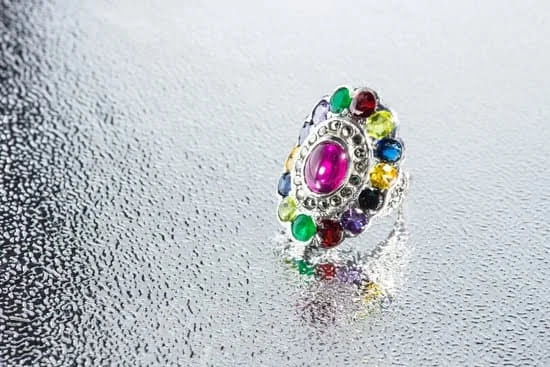
The glint of precious metals often carries unspoken narratives, tales woven into the very fabric of adornment. Among the cryptic symbols adorning jewelry, the inscription “925” stands as a sentinel, a numerical hallmark revealing more than meets the casual eye. Understanding this stamp is akin to deciphering a secret language, unlocking the essence of the piece’s composition and inherent value.
The Essence of Sterling Silver: A Noble Alloy
The ‘925’ stamp signifies that the jewelry is crafted from sterling silver, a stalwart in the realm of precious metals. Pure silver, in its unalloyed state, is remarkably ductile, rendering it unsuitable for crafting durable, enduring pieces. To imbue it with the requisite strength and resilience, it’s melded with other metals, typically copper.
The ‘925’ designation indicates that the metal composition is 92.5% pure silver, with the remaining 7.5% consisting of these alloying agents. This specific ratio strikes a harmonious balance, preserving the lustrous beauty of silver while ensuring the piece can withstand the rigors of daily wear. Consider it a testament to practical artistry, a marriage of form and function.
Unveiling the Alluring Qualities of Sterling Silver Jewelry
Sterling silver possesses a constellation of characteristics that contribute to its widespread appeal. Its affordability, relative to other precious metals like gold or platinum, renders it accessible to a broader spectrum of consumers. This accessibility, however, doesn’t diminish its inherent elegance. Sterling silver boasts a captivating luster, a cool, ethereal gleam that complements a variety of skin tones and aesthetics.
Furthermore, sterling silver serves as an amenable canvas for intricate designs. Its malleability allows artisans to execute complex filigree, elaborate engravings, and refined details. This adaptability makes it a favorite among jewelers seeking to translate their creative visions into tangible form. It is the sculptor’s clay of the jewelry world.
Deciphering the Tarnish Phenomenon: A Natural Patina
A characteristic frequently associated with sterling silver is its propensity to tarnish. This darkening or discoloration is a natural chemical reaction between the silver and sulfur compounds present in the air. While some may perceive tarnish as a flaw, others embrace it as a testament to the metal’s authenticity, a tangible manifestation of its interaction with the environment. Think of it as a fingerprint of time, etching character onto the metal’s surface.
Fortunately, tarnish is easily reversible. Regular cleaning with specialized silver cloths or solutions can restore the metal to its original luster. Proper storage, away from humidity and sulfurous environments, can also mitigate the rate of tarnishing. This maintenance ritual is not a burden, but rather an act of stewardship, preserving the beauty of a cherished possession.
Beyond the Numbers: Recognizing Genuine Sterling Silver
While the ‘925’ stamp serves as a primary indicator of sterling silver authenticity, it’s prudent to exercise diligence when acquiring jewelry. Inspect the piece meticulously for the presence of the hallmark, ensuring it is clear, legible, and consistently applied. Question suspiciously low prices, as they may suggest the item is not genuine sterling silver, but rather a plated imitation. A reputable jeweler will readily provide documentation or information regarding the metal’s composition. Consider the stamp a verification, and the due diligence a double-check.
The Enduring Legacy of Sterling Silver in Jewelry
For centuries, sterling silver has held a position of prominence in the world of jewelry. Its versatility, affordability, and inherent beauty have made it a staple in both high-end collections and everyday adornments. From delicate necklaces to bold statement rings, sterling silver offers a timeless elegance that transcends fleeting trends.
The ‘925’ stamp is not merely a numerical designation; it is a symbol of quality, authenticity, and enduring value. It is an unspoken guarantee, a promise that the piece is crafted from a metal that has been cherished and revered for generations. The next time you encounter this mark, remember that you are not simply observing a stamp, but rather deciphering a legacy.
Identifying Potential Counterfeits: Due Diligence is Paramount
In the marketplace, vigilance is crucial. Some unscrupulous vendors may attempt to pass off items as sterling silver when they are merely silver-plated base metals. Look beyond the ‘925’ stamp. Silver-plated items might carry a designation like “925 EP” or “925 Silver Plated,” indicating a thin layer of silver over a less valuable core. Furthermore, meticulously examine the item’s finish; flaking or wearing away of the surface can be a telltale sign of plating. A discerning eye is a powerful weapon against deception.
The Symbolic Resonance of Silver: More Than Just Metal
Beyond its material properties, silver carries a rich symbolic weight in many cultures. It is often associated with purity, clarity, and the moon. Wearing silver jewelry can be seen as an expression of these qualities, a subtle affirmation of one’s inner values and aspirations. A piece of silver is not just an ornament, it is a reflection of personal ethos.
A Concluding Thought: The ‘925’ Stamp as a Mark of Assurance
In conclusion, the ‘925’ stamp on jewelry is a reassuring symbol, a declaration of sterling silver composition. It represents a delicate balance between purity and practicality, affordability and elegance. Understanding this mark empowers consumers to make informed purchasing decisions, ensuring they acquire pieces that will be cherished for years to come. It’s a numerical shorthand for a legacy of artistry and value, etched into the very soul of the metal.






Leave a Comment