
When embarking on the journey of carp fishing, understanding the dietary preferences of these fascinating fish is pivotal. Success in angling often hinges on choosing the right bait, and what better way to lure in our slippery quarry than by mimicking their natural diet? In the depths of lakes and rivers, carp are not merely scavengers; they are discerning gourmets, seeking out a diverse range of delectable morsels. Dive with us into the abyss of carp cuisine, discovering what they eat and uncovering the best baits to hook these aquatic titans.
Carp, with their burly physiques and brazen demeanour, possess a remarkable adaptability to their habitats. Found in an array of freshwater environments—from tranquil ponds to formidable rivers—these omnivorous fish feast on a tapestry of underwater treasures. Their diet is eclectic, reflecting not only their surroundings but also the seasons. Thus, their culinary proclivities can be both seasonal and location-dependent, akin to how a chef adapts their menu based on the freshest ingredients available.
At the heart of the carp’s diet lies the humble plant. Vegetation forms the backbone of their consumption, where they relish everything from the roots of aquatic plants to the leaves and seeds. Water lilies and duckweed are but a couple of the salad options that entice these bottom-feeders. The green banquet provides not only nourishment but also the fibres necessary for digestive health. The vivacious nature of carp is akin to that of a forager, eagerly seeking out the bounty of the water’s floor.
Alongside this verdant fare, carp are equally drawn to the protein-rich offerings lurking beneath the surface. They enjoy a medley of invertebrates, including insects, worms, and crustaceans, which add an element of diversity to their diet. The insidious presence of dragonfly larvae or the occasional mayfly is irresistible to the hungry fish, akin to an opulent buffet. These protein-packed delicacies are especially crucial during the breeding season when carp require additional sustenance to fortify their bodies for reproduction.
As seasons change and temperatures fluctuate, so too do the feeding habits of carp. In spring, as the water warms, they become more active and start to emerge from their winter lethargy. In this exhilarating period, they hunt zealously, actively seeking out the tender shoots of fresh vegetation. The prospect of fishing during these times can be promising, as their readjusted appetites align well with strategic baiting.
In the sultry embrace of summer, when water temperatures rise to peak levels, carp continue to dine diversely. The abundance of insects and decaying organic matter creates an opulent feast potential. Here, anglers can exploit the habits of carp by utilising boilies infused with sweet or fruity flavours, mimicking the delightful concoctions of their natural food sources. Such baits can be likened to inviting the carp to a fine dining experience, where every mouthful is a luxurious treat.
However, when autumn descends, the feeding patterns undergo a metamorphosis. Carp begin to bulk up for the impending winter, displaying a more aggressive feeding strategy as they scour the depths for energy-rich offerings. It is during this period that anglers find immense success employing heavier baits that mimic the high-fat sources these fish crave. Tins of sweet corn or robust pellets, much like a hearty soup, become staples in enticing female carp who are preparing for the colder months.
To truly understand the best baits for carp fishing, one must consider both commercial options and the painstaking art of DIY recipes. While the market brims with expertly crafted boilies and pellets, the charm of homemade baits remains unrivalled. A concoction of groundbait infused with crushed nuts, fishmeal, and a dash of syrup can create a tantalising aroma that captivates carp from afar. Homemade baits possess the advantage of being tailored to the specific tastes of local fish, making them akin to a hand-knitted garment that perfectly fits its wearer.
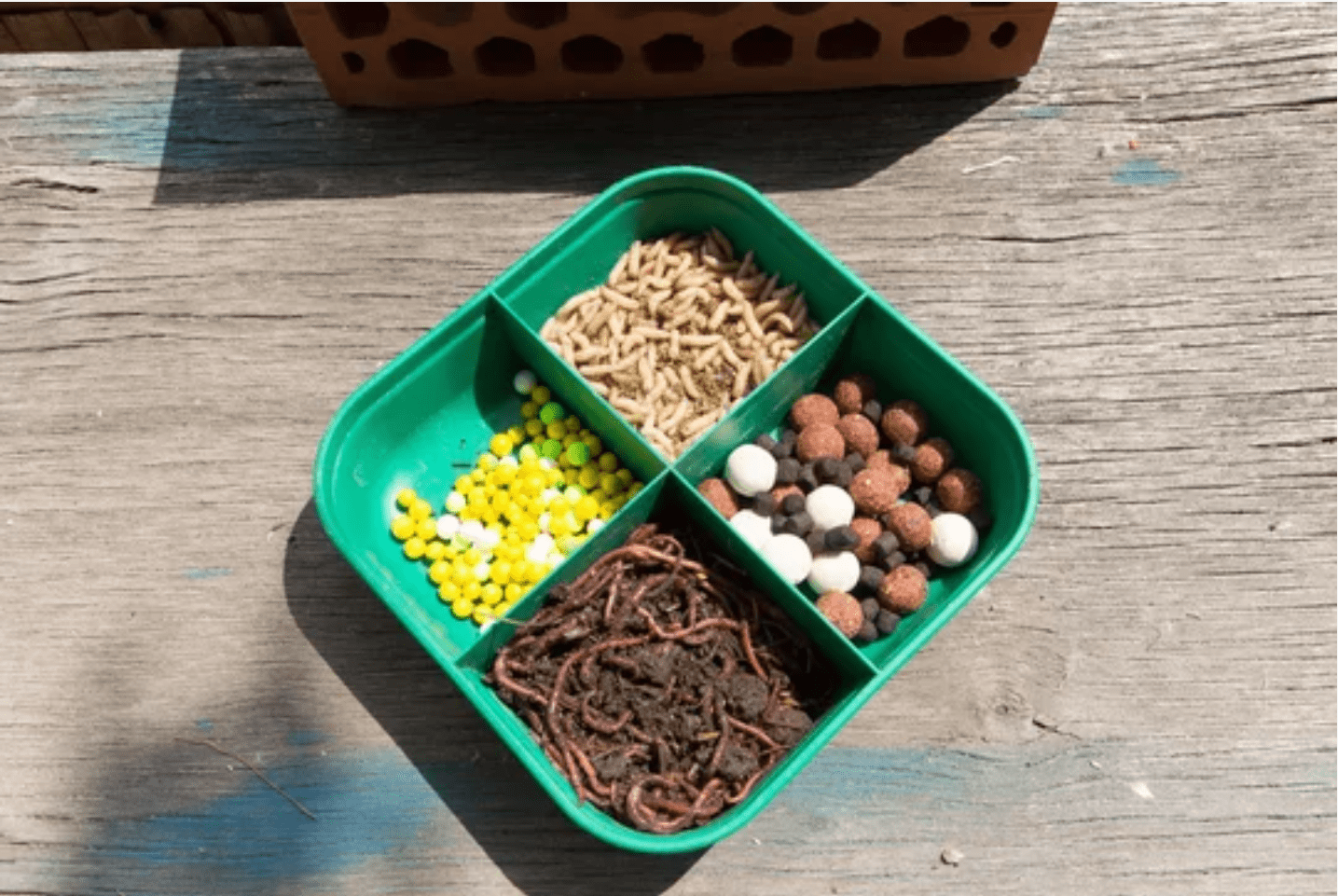
Among the commercial offerings, sweet corn has earned a venerable reputation among anglers. This beloved bait is not only affordable but also mimics a significant part of the carp’s diet. Its bright golden hue, coupled with a subtle sweetness, creates an irresistible scenario within the murky depths of lakes. Similarly, the use of bread—both in its fresh form or as a dough ball—serves as a nostalgic reminder of simpler times, akin to a grandmother’s kitchen, where comfort and warmth linger in the air.
Another compelling option is the use of maggots or worms, which offer a more organic and natural appeal. These wriggling beings are nature’s very own bait, their movement mimicking the life forms carp avidly seek. The mere presence of these lively critters can ignite a feeding frenzy that sends carp into a tailspin of voracity. In moments like these, patience is rewarded, as the anticipation of a strike becomes a headache for the hopeful angler.
As the line is cast into the water, the dance has only just begun. Ultimately, mastering the art of carp fishing extends beyond understanding their diet. It encompasses a blend of strategy, patience, and an intimate connection with the aquatic realm. By aligning bait choices with the intricate preferences of carp, anglers can unlock the secrets of success in fostering that elusive catch. Fishing for carp becomes not just a pastime but an exploration of nature’s abundant flavours, alluring appetites, and the thrill of the chase.






Leave a Comment