Short Answer
Waterproof LED strip lights have surged in popularity, particularly as creativity meets practicality in outdoor illumination. These versatile lighting solutions are not just designed for aesthetic appeal; they serve various functional purposes as well. Let’s delve into the distinctive types of waterproof LED strip lights, their myriad outdoor uses, considerations regarding their ratings, and the installation process to transform your outdoor spaces into enchanting havens.
Types of Waterproof LED Strip Lights
When selecting the ideal waterproof LED strip lights for your outdoor needs, understanding the types available is paramount. Generally, these lights are categorized based on their ingress protection (IP) rating, which denotes their resistance to water and dust.
- IP65 Rated Strips: These lights can withstand low-pressure jets of water, making them suitable for areas slightly exposed to moisture but not directly subjected to rain. They are ideal for covered porches or garden pathways.
- IP67 Rated Strips: With a higher level of waterproofing, these strips can be submerged in water up to 1 meter for a limited time. Such lights are perfect for pool areas or fountains, where splashes and moisture are more frequent.
- IP68 Rated Strips: Offering the highest resistance, these strips are designed for prolonged submersion and extreme conditions. They are ideal for aquatic settings or decorative underwater lighting in ponds.
Outdoor Uses of Waterproof LED Strip Lights
Waterproof LED strip lights are not limited to mere functionality; they provide myriad opportunities for enhancing outdoor aesthetics. Here are several creative applications:
- Garden Pathways: Strategically placed along garden paths, these lights create an inviting atmosphere. The soft glow not only beautifies the surroundings but also enhances safety during evening strolls.
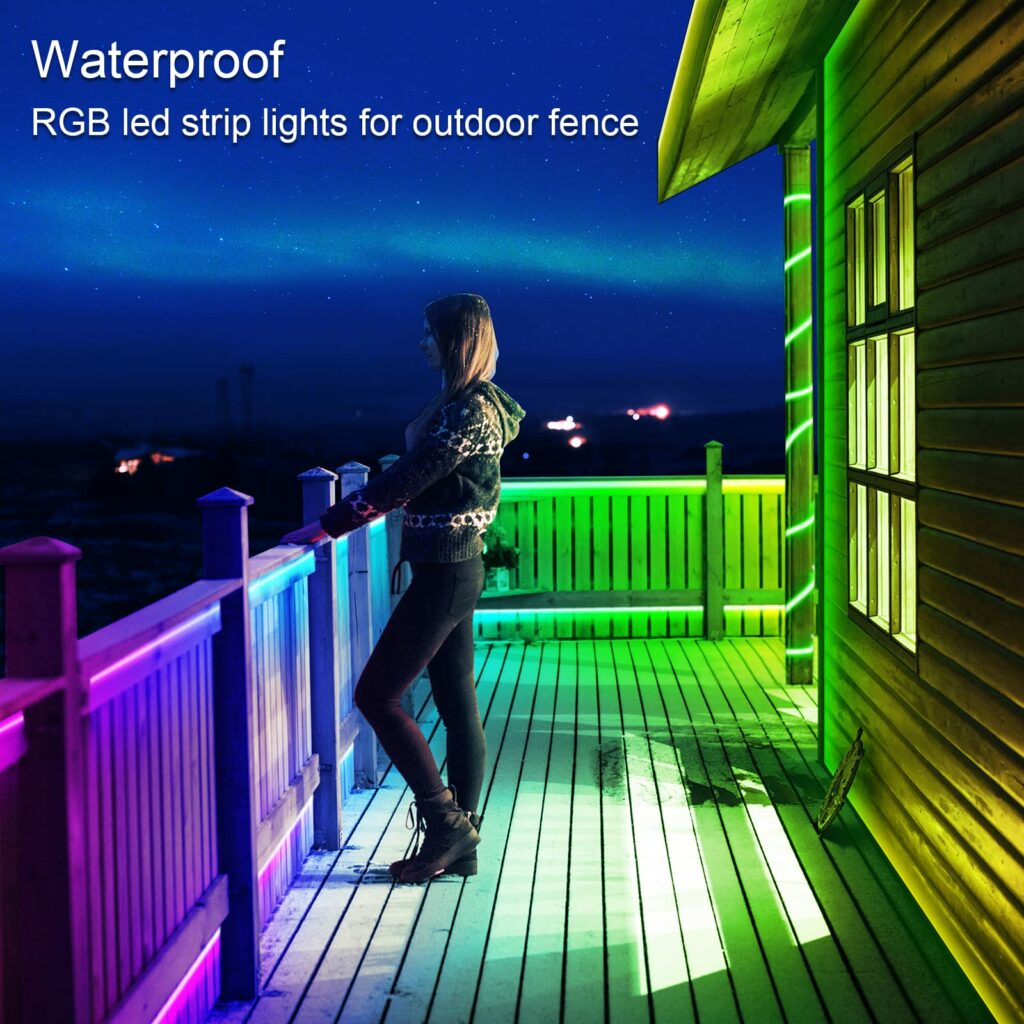
- Deck and Patio Illumination: Wrap LED strips around railings, posts, or along the edges of your patio to imbue the area with warmth and charm. This adds ambiance for gatherings or serene evenings spent outdoors.
- Architectural Highlighting: Use waterproof strips to accentuate architectural features such as columns, staircases, and outdoor sculptures. This technique is excellent for creating visual focal points.
- Event Lighting: For outdoor parties, weddings, or festivals, LED strip lights can be draped across trees, pergolas, or tents. The aesthetic appeal they offer transforms ordinary spaces into extraordinary settings.
- Signage and Displays: Waterproof LED strips can be used to illuminate signs, ensuring visibility while adding a modern twist. They are fantastic for business premises looking to attract attention at night.
Understanding Ratings: What to Consider
Before proceeding with the installation of waterproof LED strip lights, it’s essential to grasp their ratings fully. Beyond the IP ratings discussed, consider the following:
- Lumens Output: This measures the brightness of the light. Different applications might require varying levels of brightness; for instance, ambient lighting typically necessitates fewer lumens than task lighting.
- Colour Temperature: Waterproof LED strip lights come in various colour temperatures, typically ranging from warm white (around 2700K) to cool blue (6500K). Selecting the right colour temperature helps create the desired atmosphere.
- Energy Efficiency: Opt for LED strips with high energy efficiency ratings to reduce electricity costs while maintaining the illumination quality. Look for those with a good lumens-per-watt ratio.
- Durability and Lifespan: Check the manufacturer’s specifications regarding lifespan and warranty. Quality LED strips can last between 25,000 to 50,000 hours, providing long-term value.
Installation: A Step-by-Step Guide
Installing waterproof LED strip lights can be a rewarding DIY project or a professional task, depending on your comfort level. Here’s a streamlined guide to ensure effective installation:
- Planning Your Layout: Begin by sketching out your desired layout. Measure the areas where you want to install the strips, accounting for power sources and connections.
- Gathering Materials: You will require waterproof LED strip lights, a power supply, adhesive backing or mounting clips, extension cables (if necessary), and possibly a remote control or dimmer switch for adjusted illumination.
- Preparing the Surface: Ensure all surfaces are clean, dry, and suitable for adhesion. For outdoor applications, remove any dust or debris that may hinder adhesion.
- Connecting the Strips: Cut the strips to the desired length along the designated cut lines, and attach any necessary connectors. Follow the manufacturer’s instructions to avoid damaging the strips.
- Adhering the Strips: If your strips feature adhesive backing, peel off the protective layer and press the strip firmly against the surface. For added security, consider using clips or brackets.
- Connecting to Power: Connect the strips to the power supply, ensuring waterproof connectors are used for longevity. Adhere to any relevant electrical guidelines or codes.
- Testing and Adjustments: Once installed, power on the system to test the lighting. Make any adjustments to improve alignment or brightness as necessary.
Conclusion
Waterproof LED strip lights undoubtedly provide a stellar solution for enhancing outdoor spaces. Their multifaceted applications, combined with efficiency and innovative design, afford the opportunity to create beautiful, functional settings. With careful consideration of the ratings and a straightforward installation process, anyone can achieve a stunning outdoor atmosphere suited for relaxation and entertainment.
FAQ
What does IP rating mean for waterproof LED strip lights?
IP rating defines the level of protection against water and dust. Higher IP numbers indicate better waterproofing and suitability for harsher outdoor conditions.
Are waterproof LED strip lights suitable for underwater use?
Only those rated IP68 are designed for prolonged submersion and can be safely used underwater, such as in ponds or fountains.
How do I ensure safe installation of waterproof LED strip lights outdoors?
Plan your layout carefully, use waterproof connectors, follow electrical codes, and prepare surfaces properly for adhesion.
Can color temperature affect outdoor ambiance?
Yes, warmer colors create cozy atmospheres, while cooler colors enhance visibility and create energetic environments.


Leave a Reply