Short Answer
When it comes to home improvement, few enhancements can spark the kind of tranquillity that reliable craftsmanship offers. One of the more overlooked yet crucial components of securing your property and ensuring smooth operation is the humble uPVC door hinge. Often taken for granted, hinges can play a pivotal role in the safety and functionality of your doors, making their maintenance and replacement an essential consideration for any homeowner. This article delves into the intricacies of uPVC door hinges, focusing on replacement, adjustment costs, and quick DIY tips that can make all the difference.
Understanding the Importance of uPVC Door Hinges
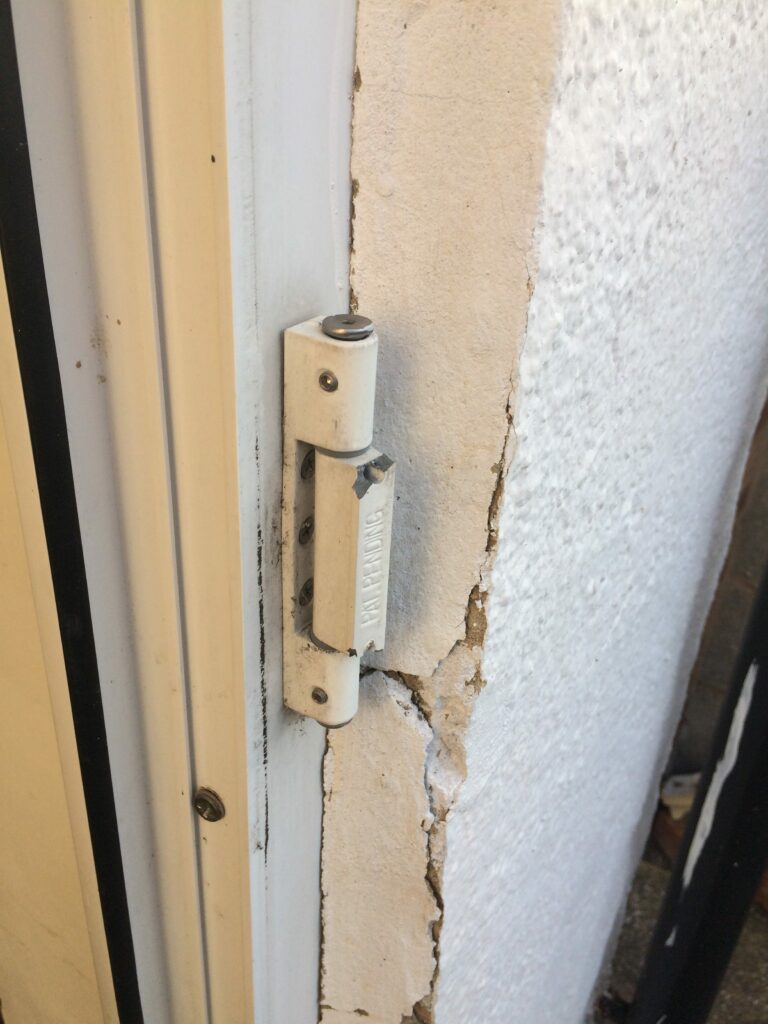
uPVC (unplasticised polyvinyl chloride) door hinges are specifically designed to cater to the distinct requirements of uPVC doors. Their construction allows for durability, resistance to rust, and minimal maintenance; however, over time, they may require attention due to wear and tear. Neglected hinges can lead to significant issues such as misalignment, increased energy costs due to drafts, and even security vulnerabilities. Recognising the signs of wear is imperative, as it empowers homeowners to act before minor issues escalate into formidable problems.
Signs Your uPVC Door Hinges Need Attention
Before undertaking any replacement, it’s essential first to identify whether the hinges are genuinely at fault. Look out for several telltale signs:
- Door Sagging: A door that hangs unevenly stems from hinge misalignment. This usually occurs when the weight of the door causes the hinges to weaken.
- Difficulty Closing: Resistance in the door’s movement may indicate that the hinges are damaged or that they are improperly adjusted.
- Noisy Operation: Squeaking or grinding noises often signal that the hinges need lubrication or replacement.
- Visible Damage: Cracks, rust, or pitting on the hinges themselves are unmistakable indicators that replacement is necessary.
The Cost of uPVC Door Hinge Replacement
Understanding the financial aspect of hinge replacement is crucial for planning. The costs associated with replacing uPVC door hinges can vary widely based on several factors including location, service provider, and materials used. On average, the cost for replacing hinges generally falls between £50 to £150, inclusive of labour. If the replacement is a DIY task, the material costs may be significantly lowered to approximately £10 to £30 for new hinges. However, it is critical to ensure you select quality hinges to avoid recurrent issues.
DIY Tips for uPVC Door Hinge Replacement
While it may seem daunting, the replacement of uPVC door hinges is within reach for the average homeowner equipped with a bit of determination. Below are some insightful DIY tips to facilitate the process:
- Gather Your Tools: Before you begin, assemble all the necessary tools. Essential items include a screwdriver, a spirit level, a tape measure, and replacement hinges. Choose high-quality hinges designed for heavy-duty service.
- Remove the Door: To ease the replacement process, gently remove the door by detaching the hinges. It may help to enlist a helper to hold the door in place while you work on the hinges to prevent any accidents.
- Align the New Hinges: Lay the door flat and carefully position the new hinges. Ensure they are aligned correctly to maintain the integrity of the door’s functionality. Using a spirit level will aid in achieving perfect alignment.
- Install the Hinges: Once properly aligned, secure the new hinges with screws. Ensure that each screw is fastened tightly but be cautious not to overtighten, as this may damage the uPVC door frame.
- Rehang the Door: With the new hinges securely installed, it’s time to rehang the door. Carefully lift it into position and secure the hinges to the frame, ensuring a smooth closing motion.
Adjustment Tips Post-Replacement
Once the hinges are replaced, fine-tuning may be necessary to ensure optimal performance. Here are a few adjustment tips:
- Utilise the Adjustment Screws: Many uPVC door hinges come with adjustment screws that allow for fine-tuning. These can be used to raise or lower the door, rectifying any sagging.
- Check Alignment Regularly: Periodically inspect the door for signs of misalignment or wear. Addressing these issues promptly will extend the longevity of your hinges.
- Lubrication is Key: Regularly lubricate your hinges with a suitable lubricant to ensure smooth operation. This simple task can prevent squeaks and extend the life of your hinges.
Conclusion: A Homeowner’s Empowerment through Knowledge
Replacing uPVC door hinges may initially appear to be a task best left to professionals, but armed with the right knowledge and tools, it transforms into a manageable DIY project. Regular maintenance and timely replacement not only enhance functionality but also foster a sense of security within your space. As you embrace these small but significant changes, remember: paying attention to the minutiae of your home empowers you to create a safe and welcoming environment.
FAQ
How often should uPVC door hinges be checked or maintained?
It is recommended to inspect and lubricate uPVC door hinges every 6 to 12 months to ensure smooth operation and early detection of wear.
What are the typical signs that uPVC door hinges need replacement?
Signs include door sagging, difficulty closing, noisy operation such as squeaking or grinding, and visible damage like rust or cracks.
Can I replace uPVC door hinges myself, or should I hire a professional?
Replacing uPVC door hinges is a manageable DIY task for homeowners with basic tools and patience, but professional help may be preferable for complex or heavy doors.
What is the average cost of replacing uPVC door hinges?
Replacement costs vary, typically between £50 to £150 including labor, while DIY material costs range from £10 to £30.
FAQ
How often should uPVC door hinges be checked or maintained?
It is recommended to inspect and lubricate uPVC door hinges every 6 to 12 months to ensure smooth operation and early detection of wear.
What are the typical signs that uPVC door hinges need replacement?
Signs include door sagging, difficulty closing, noisy operation such as squeaking or grinding, and visible damage like rust or cracks.
Can I replace uPVC door hinges myself, or should I hire a professional?
Replacing uPVC door hinges is a manageable DIY task for homeowners with basic tools and patience, but professional help may be preferable for complex or heavy doors.
What is the average cost of replacing uPVC door hinges?
Replacement costs vary, typically between £50 to £150 including labor, while DIY material costs range from £10 to £30.

Leave a Reply