
In the modern world, the sanctity of one’s personal space has become increasingly significant. With the hustle and bustle of everyday life, finding peace within the confines of your home is a growing concern for many. The ceaseless cacophony from neighbours, surrounding traffic, or the blaring sounds of everyday household activities can cause enormous strain and reduce the overall enjoyment of our living spaces. This is particularly noticeable in areas like basements or multi-storey buildings, where the transfer of sound can be quite pronounced. Sound insulation for ceilings emerges as an indispensable solution to mitigate these auditory disruptions, creating an oasis of tranquillity amidst the din of daily living.
Understanding the mechanics of sound transmission is crucial. Sound travels in waves through various media, meaning that airborne sounds and impact noises can freely seep through floors and ceilings, disrupting our peace. This phenomenon often accounts for the ambient disturbances that accumulate in residential properties, especially in urban settings where proximity to neighbours can exacerbate the situation. Familiarising oneself with the principles of sound migration and reverb can illuminate why sound insulation for ceilings is essential.
So, how does one effectively reduce the intrusion of noise within their home? There’s a multitude of methods and materials at your disposal. Below is an extensive exploration of sound insulation strategies that can significantly enhance your living experience.
1. Selecting the Right Material:
The first step is to identify suitable materials that enhance sound absorption. Traditional insulation products such as fibreglass and mineral wool boast effective sound-dampening properties. These materials have the ability to absorb sound waves due to their dense structure, thus lowering the transmission of noise. Additionally, specialised soundproofing materials like acoustic panels and foam can be employed as effective solutions. These are designed specifically to reduce echo and reverberation, making them invaluable in spaces like home theatres and music studios.
2. Decoupling Techniques:
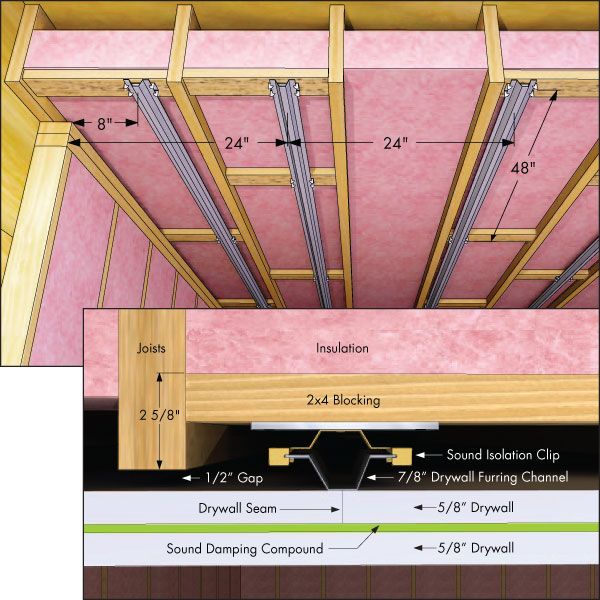
Decoupling refers to the separation of two surfaces to diminish sound transmission. The installation of resilient channels or sound isolation clips between the ceiling joists and the drywall creates a barrier that reduces the vibrations caused by sound waves. By interrupting the direct connection between the ceiling and the floor above, you can significantly lower impact noise. This method requires precision and attention to detail, but the results can be transformative.
3. Adding Mass:
An age-old principle in sound insulation is adding mass to the structure. Heavier materials are less likely to transmit sound than lighter ones. This could entail the addition of a second layer of drywall, or installing specialised soundproof drywall, which is denser and has sound-dampening properties. Moreover, employing materials such as cement board in construction can also enhance the mass and thereby, the sound-reduction qualities of your ceilings.
4. Soundproofing Paints:
Innovative solutions such as soundproofing paint have entered the market, offering a viable option for those looking to minimise sound transmission without extensive renovations. These paints contain sound-dampening compounds that can diminish noise levels appreciably when applied to ceilings and walls. While this solution might not be as effective on its own, it serves as an excellent supplementary measure when combined with other soundproofing efforts.
5. Tackling Air Leakage:
Unbeknownst to many, air leakage through gaps and cracks can significantly contribute to sound infiltration. Inspecting for and sealing any gaps around lighting fixtures, ductwork, and vents can diminish the passage of sound. This often overlooked step is crucial; even the slightest opening can allow sound waves to travel unimpeded, thus ensuring continued disturbance in your serene environment.
6. Using Soft Furnishings:
Incorporating soft furnishings into your interior design can double as an aesthetic choice and a tactical soundproofing strategy. Rugs, carpets, and upholstered furniture can absorb sound, mitigating its impact. In addition, thick curtains or acoustic drapes can further reduce noise levels when hung from the ceiling. Layering materials presents an effective approach to soundproofing, creating a multifaceted barrier against intrusive noise.
7. Professional Assistance:
While many sound insulation measures can be undertaken as DIY projects, enlisting the help of professionals might be beneficial for more complex undertakings. Expert installers possess the knowledge and expertise to recommend the most effective solutions tailored to your specific needs. They can assess your space, recommend appropriate materials, and carry out installations to the highest standards, ensuring optimal performance of your soundproofing efforts.
8. Regular Assessment:
Lastly, routine assessments of your sound insulation effectiveness are essential. Over time, factors such as settlement, wear, and environmental changes may affect the performance of your insulation. Periodic evaluations will allow you to identify areas requiring improvement, ensuring your home remains a sanctuary of peace.
In conclusion, the implementation of sound insulation for ceilings is a pivotal enhancement to your living environment. By understanding sound dynamics and employing various strategies, you can effectively diminish unwanted noise, fostering a serene atmosphere where peace reigns supreme. As we cultivate our homes, it is imperative that we prioritise our auditory experiences, transforming our spaces into genuine retreats from the clamour of the outside world.





Leave a Comment