Short Answer
When it comes to dining furniture, the round dining table stands out as a quintessential piece that marries aesthetics with functionality. But a question springs to mind: What size should a round table be to comfortably accommodate eight diners? This inquiry isn’t merely academic; it poses an interesting challenge for those who entertain frequently yet desire an inviting ambience. This guide will navigate you through the intricacies of choosing the ideal round dining table and provide invaluable layout tips that maximise both space and conviviality.
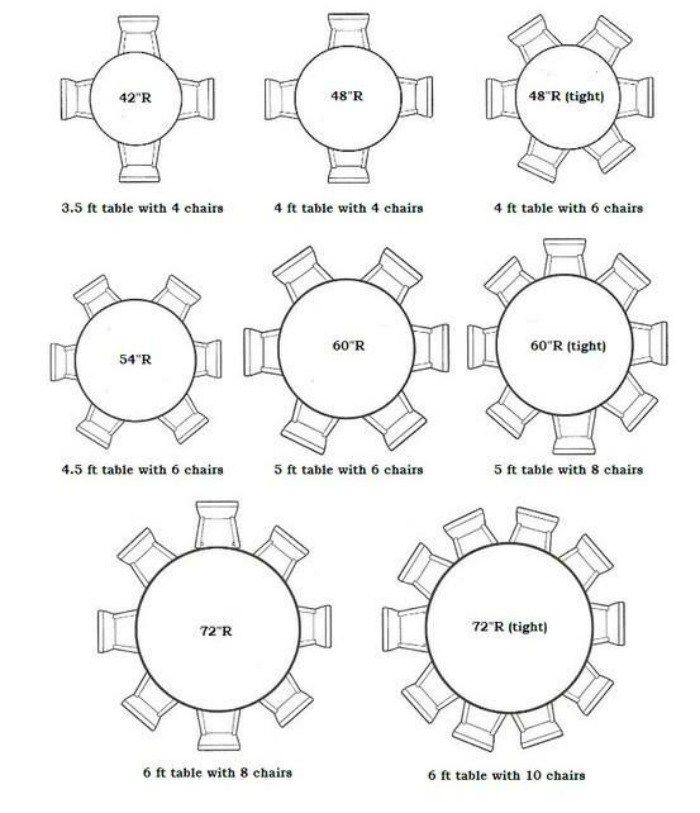
Firstly, understanding the dimensions of a round table is paramount. Generally, a round dining table that seats eight should have a diameter of at least 60 to 72 inches. The 60-inch table can snugly fit eight, while the 72-inch version offers a more generous spread, allowing guests ample elbow room. This is essential for ensuring that everyone feels comfortable, particularly during extended dinner parties where engagement and conversation flow.
Now, let’s consider the physical space wherein your table will reside. Round tables possess the unique ability to fit into corners or less conventional spaces, but they also require sufficient room for chairs and movement. Experts recommend allowing at least 36 inches of clearance on all sides of the table. This means that in addition to the table’s diameter, you should factor in an additional 72 inches in total length and width to ensure smooth navigation for guests while they settle in and move about. This meticulous consideration of space will ultimately prevent the dreadful clumsiness of cramped quarters during gatherings.
Moreover, it’s prudent to reflect on the table’s height. Most dining tables hover around 28 to 30 inches high; however, if you’re also considering the addition of bar stools or chairs with arms, this aspect becomes even more significant. Ensure that you select dining seating that compliments the table while being mindful of the height differences that might encumber the dining experience.
Next, let us explore the aesthetics of the round table. The material and finish of the table can significantly influence the overall vibe of your dining area. Wooden tables evoke warmth and tradition, perfect for a rustic or classic theme, while glass tables foster a modern milieu, creating an illusion of spaciousness. In recent years, composite materials have also gained popularity, appealing to those seeking a contemporary flair without sacrificing structural integrity.
As you deliberate over the material, consider how it interacts with your existing décor. If your dining area boasts eclectic or vintage accents, a reclaimed wood table might be an excellent choice. Conversely, a sleek marble table can elevate a minimalist setting, becoming the focal point of your space. Remember that colour, texture, and sheen impact mood. So, choose wisely.
Tables evoke an experience, and the seating arrangements play a pivotal role in this engagement. For eight people, traditional arrangements include placing four chairs along each side of the table. However, a more dynamic approach might involve integrating two charming accent chairs at either end of the table. This stylistic nuance can break up monotony and offer guests a choice of seating styles, encapsulating a comfortable yet elegant dining atmosphere.
Another compelling consideration is the way guests interact at the table. Aim to foster an inclusive environment that encourages dialogue. Positioning place settings at a slight angle can facilitate conversation and reduce the barriers posed by traditional linear layouts. This fun, flexible arrangement means that guests can share stories and laughter, immersing themselves in the experience rather than feeling isolated.
One might encounter the challenge of multiple table settings. If you’re hosting a themed event, this can become tricky. However, an excellent way to maintain cohesion is to have shared centrepieces rather than individual ones. A grand floral arrangement or a collection of candlesticks can serve as a stunning focal point—drawing the eye and unifying the table’s décor while allowing guests the space they need for comfort. This also eliminates the clutter that single arrangements can sometimes cause.
Additionally, consider the lighting in your dining environment. Soft, ambient lighting can dramatically enhance the dining experience. If possible, use dimmable bulbs or stylish pendant lighting that casts a warm glow over the round table. Candles can also play a significant role, not only in creating a romantic atmosphere but also in elevating the table’s aesthetic appeal.
Finally, upkeep is an essential component that often goes unnoticed. A round table can be a gathering place for family, friends, and laughter, but it also requires vigilance in maintenance. Use coasters, placemats, or tablecloths to protect the surface from spills and stains. Additionally, consider adopting a regular cleaning routine that carefully preserves the integrity of the material without compromising its appearance.
In conclusion, a round dining table that seats eight provides not just a functional space for eating but an opportunity for connection, creativity, and conversation. Understanding the right dimensions, accommodating arrangement styles, and enhancing the table setting experience will ensure that your dining area is both inviting and practical. So, as you embark on selecting your round table, think about not just how it fits in your space but how it will serve to create lasting memories in your home. After all, dining is as much about the experiences shared as it is about the food served.
FAQ
What size round table fits 8 people?
A round table with a diameter of 60 to 72 inches comfortably accommodates eight diners.
How much space do I need around a round dining table?
Allow at least 36 inches of clearance on all sides for chairs and movement.
What are good materials for a round dining table?
Wood for warmth, glass for a modern look, and composites for contemporary styles are popular choices.
How should I arrange seating around a round table for 8?
Evenly spaced chairs or mixing in accent chairs can create a comfortable and engaging dining experience.
How can lighting improve my dining table setup?
Using ambient or dimmable lighting, including pendant lights and candles, enhances atmosphere and aesthetics.



Leave a Reply