Short Answer
The roof of the mouth, or the palatine area, serves as the delicate canvas within the oral cavity, often overlooked yet profoundly significant to our overall health. Among the myriad manifestations of human anatomy, the appearance of its hue can evoke both concern and curiosity. A vibrant yellow tinge may conjure thoughts of sunnier days, but in the context of oral health, it requires careful consideration. This article delves into the enigma of a yellow roof of the mouth, illuminating both the circumstances in which this phenomenon can be considered benign and those where it signals an underlying ailment.
Understanding the normalcy of oral pigmentation is essential. The roof of the mouth can display a spectrum of colours ranging from a healthy pink to deeper shades influenced by various factors. Individual hydration levels, dietary habits, and even genetic predispositions play pivotal roles in this chromatic diversity. Typically, the palate maintains a rosy hue that reflects the underlying blood vessels coursing beneath the mucosal surface—a vivid tapestry akin to the blush of dawn peeking over the horizon.
Yet, when this canvas adopts a yellow semblance, it often evokes questions. When is it merely a whimsical aberration, and when does it merit further exploration into potential health issues? The answers lie in both a nuanced understanding of the characteristics accompanying this colour shift and an awareness of the broader context of oral health.
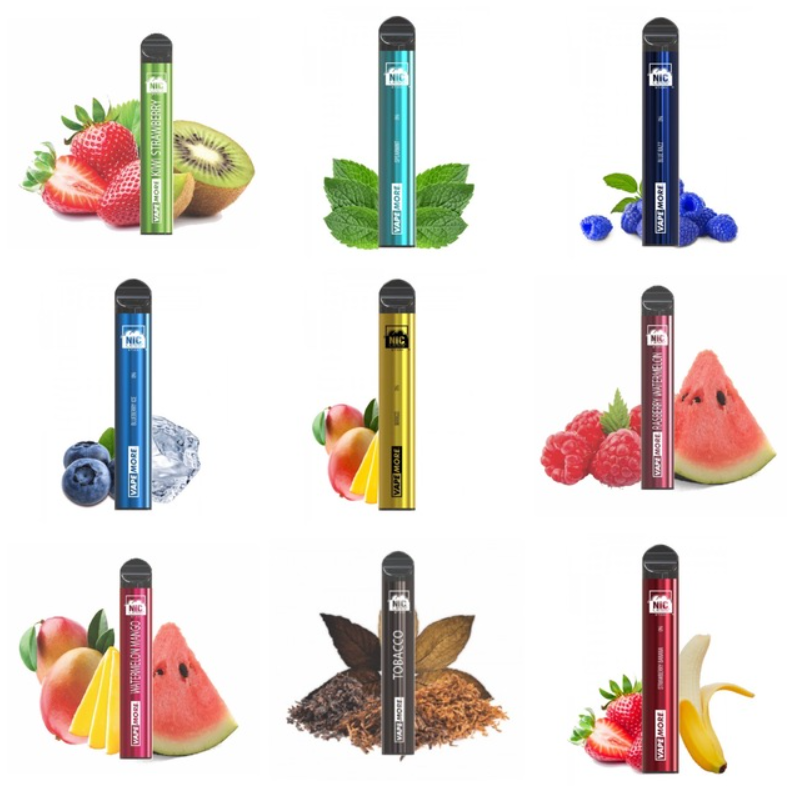
At times, a yellow roof of the mouth may be as benign as a transient chameleon, transforming with diet or environmental changes. The consumption of certain foods, especially those rich in pigments—such as turmeric or carrots—can impart a temporary yellow tint reminiscent of a sunset fading into the night. Additionally, smoking and the use of tobacco products can lead to discolouration that may appear unsettling but is often reversible with cessation and diligent oral hygiene.

However, the palette of the mouth can also mirror deeper health concerns, signalling the need for vigilance. Oral thrush, an overgrowth of the Candida yeast, can bestow upon the palate a yellowish coating, reminiscent of a creamy custard, which often accompanies discomfort and a cotton mouth sensation. When this happens, a meticulous examination of oral hygiene practices is imperative. Ensuring a balanced diet, frequent brushing, and adequate hydration can help stave off this unwelcome guest.
Sometimes, the yellowing of the mouth may connect to systemic diseases. Conditions such as jaundice—resulting from liver dysfunction—can impart a yellowish hue not just to the skin and eyes but also to the oral cavity. This phenomenon emerges as a consequence of elevated bilirubin levels and serves as a clarion call for a thorough medical evaluation. The liver, often referred to as the body’s natural filter, deserves exacting care, and any sign that suggests dysfunction warrants immediate attention.
Also of significance is the role of hepatic conditions, which can lead to a condition known as ‘carotenemia’. This condition, which arises from the excessive consumption of beta-carotene-rich foods, can result in a yellowish tint, but often this is primarily seen in the skin rather than in the oral cavity. Nevertheless, the fascinating interplay between what we consume and how our bodies manifest that consumption can be a reminder to observe the symphony of our diets.
Recognising other nuances is crucial. A yellowish palate can be indicative of conditions like allergies, where the mouth becomes a battleground of inflammation and irritation. Allergic reactions can lead to changes in the appearance of the oral mucosa, including the roof of the mouth, creating a visually distressing scenario often accompanied by symptoms like swelling or inflammation. The body’s responses to allergens might, at first glance, appear trivial, yet they unveil the intricacies of the immune response and the importance of being attuned to various triggers.
In more extensive scenarios, the presence of anaemia—which can lead to a pale and jaundiced appearance—might further muddy the waters of interpretation. The palate may reflect not just a single momentary change but rather a broader cascade of health. Nutritional deficiencies, particularly iron and vitamin B12, can manifest in suboptimal pigmentation, emphasizing the need for comprehensive evaluation of dietary intake.
Thus, while a yellow roof of the mouth can, at times, be inconsequential, it bears the weight of significance that should not be overlooked. Regular dental check-ups and consultations with healthcare professionals become paramount when such changes are observed, particularly if accompanied by other symptoms. The mouth, often regarded simply as a passage for food and drink, serves as a vital barometer of health. A vigilant observer can glean invaluable insights from the signals emitted by this internal landscape.
In conclusion, the yellow roof of the mouth is a multifaceted issue that can be steeped in both benign and critical undertones. Understanding the context within which this change occurs allows individuals to respond appropriately, either by rejoicing in their culinary prowess or by seeking the necessary interventions to safeguard their health. Just as a vibrant painting tells a story, observing the nuances of our bodies can illuminate the chapters of our health journey, demanding attention and respect. Thus, the next time you peer into the mirror and observe a yellow hue across your palate, consider it an invitation to listen more closely to your body, for it speaks in ways both profound and subtle.”
FAQ
What does a yellow roof of the mouth indicate?
A yellow roof of the mouth may indicate a variety of conditions, ranging from benign dietary effects to more serious health issues like oral thrush or liver dysfunction.
When should I see a doctor for a yellow roof of the mouth?
You should consult a healthcare professional if the yellow discoloration persists, is accompanied by other symptoms, or if you have concerns about your oral health.

Leave a Reply