Short Answer
Nail care is an often-overlooked aspect of personal grooming, yet it plays an integral role in maintaining not only the aesthetics of the hands but also the overall health of the nails. One of the essential components of nail care is the use of nail files and buffers. These tools are designed to shape, smooth, and refine the surface of the nails, contributing to a polished appearance and preventing potential damage. This article delves into the various types of nail files and buffers, their uses, and essential tips for effective nail care.
Understanding Nail Files
Nail files are fundamental tools that aid in shaping and contouring the nails. They come in a myriad of types, each designed for specific functions and nail types. Here are the primary varieties:
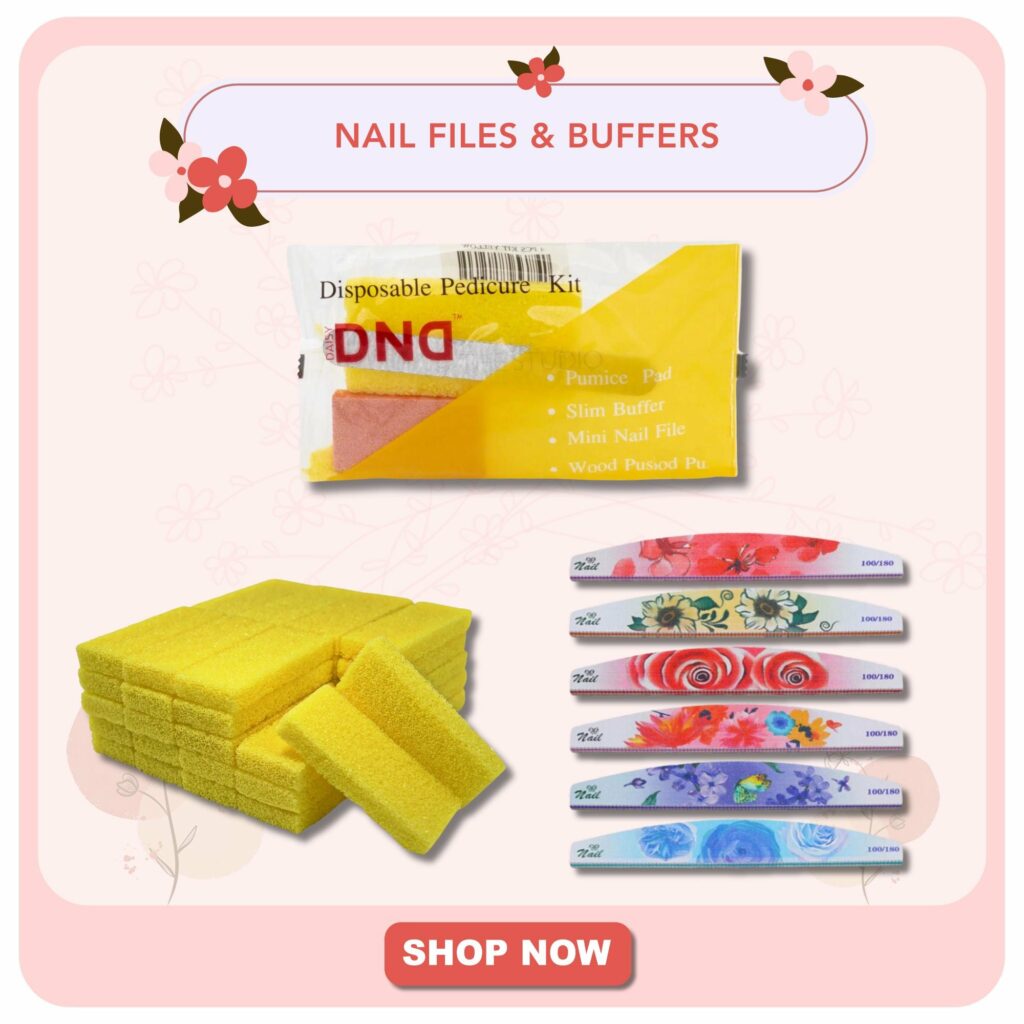
- Emery Boards: This ubiquitous tool is composed of a cardboard base coated with an abrasive surface, often covered in a layer of sand or grit. Emery boards are versatile and suitable for natural nails, allowing for a gentle filing experience.
- Metal Files: These are typically made of stainless steel and feature a long-lasting abrasive texture. Metal files are robust and can effectively shape both natural and artificial nails. However, they require careful handling to avoid nail damage.
- Glass Files: Renowned for their gentleness, glass files have a smooth surface that can effectively file without causing splits or tears. They are particularly ideal for fragile nails and can be easily sanitised for reuse.
- Crystal Files: Similar to glass files, crystal files feature a fine abrasive surface that helps maintain the integrity of the nail. They are typically more expensive but offer longevity and a superior finish.
Employing Nail Buffers
Nail buffers serve as an essential counterpart to nail files. They are utilised to refine the nail surface, providing a glossy finish while also promoting nail health. Buffers are generally made of foam or rubber and come in different stages of grittiness. Here’s a breakdown:
- Four-Way Buffers: These multifunctional tools are crafted with four distinct sides, each with a specific purpose: filing, smoothing, shining, and conditioning. They are highly efficient for achieving polished, salon-like results at home.
- Single-Sided Buffers: More straightforward in design, these buffers typically feature one abrasive side and are suitable for quick touch-ups. They are ideal for maintaining the surface of the nails between manicures.
- Micro-Dermabrasion Buffers: These are specially designed for professional use and contain an intricately textured surface that gently removes the top layer of nail keratin. They promote healthier nail growth and reduce ridges.
Utilising Nail Files and Buffers
Knowing the types of nail files and buffers is only the beginning; understanding their correct application is equally crucial. Here are some helpful tips to ensure effective use:
- Filing Techniques: Always file in one direction rather than a back-and-forth motion. This practice minimizes breakage and reduces the risk of nail splits. When shaping, avoid filing excessively to prevent weakness.
- Buffing Strategy: Buffing should be performed with a light touch. It’s advisable not to over-buff, as it can lead to thinning of the nail plate. Focus on the edges and surface for a natural shine.
- Sanitation Practices: Regularly sanitise your tools. Metal and glass files can be disinfected with alcohol or antiseptic wipes, while emery boards should be replaced once they wear down.
Additional Nail Care Tips
For optimal nail health, consider the following care tips:
- Hydration is Key: Just as the skin requires moisture, nails benefit from it as well. Use cuticle oils and hand creams regularly to keep nails hydrated and prevent brittleness.
- Regular Trimming: Keep nails at a manageable length to prevent snagging and breaking. Trimming should be done regularly with sharp nail clippers and followed by a gentle file to smooth the edges.
- Mind Your Diet: The health of your nails can also be indicative of your diet. Incorporate a balanced intake of vitamins, particularly Biotin, Zinc, and Omega-3 fatty acids, to promote strong and healthy nails.
- Avoid Overexposure: Frequent exposure to water and harsh chemicals can weaken nails. Use gloves when doing dishes or cleaning, and avoid excessive soaking in water.
- Nail Polish Breaks: If you frequently use nail polish, allow your nails to breathe. Occasional breaks from polish can reduce the risk of nail discolouration and damage.
In conclusion, nail files and buffers are indispensable tools for anyone who takes pride in their nail care routine. Understanding their various types and functions, coupled with consistent practice and good habits, fosters not only beautiful nails but also sound health. By integrating these practices into your grooming regimen, you can achieve the enviable balance of aesthetics and wellness for your nails.
FAQ
What types of nail files exist and how do they differ?
Emery boards are gentle and suitable for natural nails; metal files are durable but require care; glass and crystal files are smooth, gentle, and long-lasting.
How should I file my nails to prevent damage?
File in one direction rather than back and forth to minimize splitting and weakening.
What is the purpose of nail buffers?
Buffers smooth the nail surface, add shine, and promote healthier nails by refining the nail plate.
Are there special nail care tips to follow alongside filing and buffing?
Yes, keep nails hydrated, trim regularly, maintain a healthy diet, avoid excessive water and chemical exposure, and allow nails breaks from polish.




Leave a Reply