
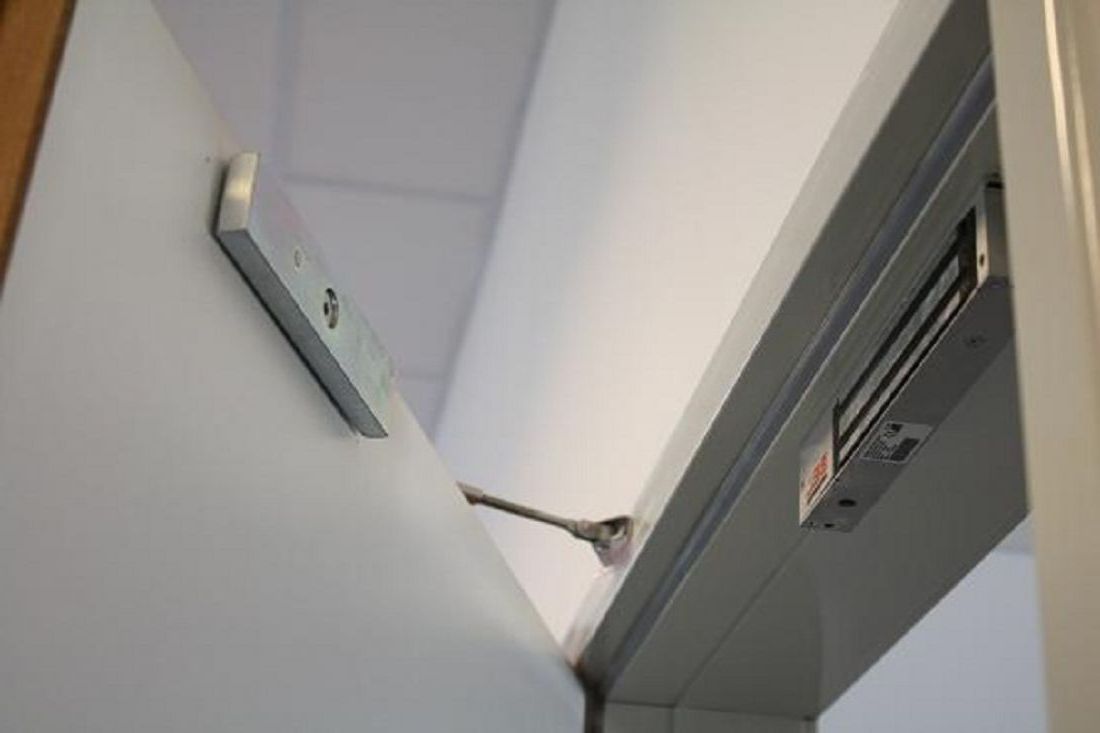
Magnetic locks, often referred to as maglocks, represent a sophisticated amalgamation of security technology and convenience. In the ever-evolving landscape of security solutions, they offer unique benefits that are compelling for both residential and commercial applications. This article delves into the myriad advantages of magnetic locks for doors, alongside a comprehensive installation guide, ensuring that readers gain a full understanding of this innovative locking mechanism.
Understanding Magnetic Locks
Magnetic locks operate on the principle of magnetism, providing a secure and efficient way to control access to premises. Essentially, these locks consist of an electromagnet that is mounted on the door frame, and a metal plate affixed to the door itself. When electrified, the magnet generates a robust attraction to the metal plate, holding the door securely closed. This mechanism is particularly favoured in environments where a high level of security is paramount.
Advantages of Magnetic Locks
Opting for magnetic locks over traditional mechanical keys offers several substantial advantages:
- Enhanced Security: The primary advantage lies in their impressive security credentials. Magnetic locks are resistant to picking and forced entry, which is a common vulnerability with standard locks. The strength of the magnetic hold makes it extremely difficult for intruders to breach the door without severe force.
- Convenience: Magnetic locks provide effortless access control. Most systems can be integrated with keycard, keypad, or biometric entry points, allowing for seamless entry without fumbling for keys. This feature is particularly beneficial in high-traffic areas.
- Durability: With fewer moving parts than traditional locks, magnetic locks are less prone to mechanical failures. They can endure harsh weather conditions, making them an ideal choice for outdoor settings where durability is essential.
- Emergency Override: In the event of power failure, magnetic locks can be configured to allow free egress. This feature is vital in emergency scenarios, ensuring that occupants can exit the building safely.
- Flexible Access Control: Magnetic lock systems allow for easy updates to access permissions. If a keycard is lost or a user needs to have access revoked, updates can be executed swiftly and efficiently without the need for physical hardware changes.
Types of Magnetic Locks
Magnetic locks come in various types, each catering to specific security necessities and installation requirements. Here are some prevalent options:
- Surface-Mounted Magnetic Locks: As the most common type, these locks are mounted on the surface of the door frame. They are easy to install and can be used for a variety of applications.
- Flush Magnetic Locks: Flush locks are installed within the door frame and are aesthetically more pleasing. This design makes them less visible and thus discourages tampering.
- Weatherproof Magnetic Locks: Designed for outdoor use, these locks are encased in robust housing to withstand environmental elements. Ideal for exterior doors, they resist corrosion and other weather-related wear.
- Fail-Safe Magnetic Locks: This configuration ensures that the lock releases in the absence of power, a crucial feature during emergencies. They are specifically deployed in places where egress is a significant concern.
- Fail-Secure Magnetic Locks: Conversely, these locks remain locked when power is lost, providing a higher level of security for high-risk areas, ensuring that only authorised personnel can access restricted zones.
Installation Guide for Magnetic Locks
Installing a magnetic lock entails several steps, necessitating precision and careful planning. Here is a comprehensive guide to ensure a successful installation:
- Gather Necessary Tools and Materials: Before commencing, ensure you have all required tools at hand, including a drill, screwdriver, measuring tape, and the magnetic lock kit.
- Select the Appropriate Lock Type: Assess your specific needs and choose a suitable magnetic lock that complements your door’s structure and security requirements.
- Preparation: Measure and mark the position on the door frame where the electromagnetic component and the armature plate will be installed. Ensure that the door opens smoothly without obstruction.
- Install the Electromagnet: Drill holes as per the manufacturer’s instructions and affix the electromagnet to the door frame. Ensure it is level for optimal alignment with the metal plate on the door.
- Install the Armature Plate: Attach the metal plate to the door, aligning it accurately with the magnet. Make sure there is no space between the two to ensure maximum holding strength.
- Wiring: Follow the wiring diagram provided with the magnetic lock kit. Connect the lock to a reliable power source, ensuring all connections are secure and insulated.
- Testing: Conduct thorough tests to confirm the lock engages and disengages appropriately. It is crucial to verify both the functionality and the security features, including any integrations with access control systems.
- Finalisation: Once testing is complete, replace any coverings and ensure that all screws are tightened. A final cleanup of the installation area rounds off the process.
Conclusion
Magnetic locks present an unparalleled combination of security, convenience, and durability, making them a highly effective choice for safeguarding valuable assets. Their installation, while straightforward, requires attention to detail to ensure optimal performance. With their versatile options and impressive technology, investing in magnetic locks stands as a wise decision for anyone prioritising security in today’s fast-paced world.






Leave a Comment