Short Answer
Loose leaf black tea has captivated tea enthusiasts for centuries, offering a vibrant tapestry of flavours and aromas that can transform even the most mundane moments into an extraordinary experience. Have you ever wondered how to elevate your tea-drinking ritual to an art form? Or perhaps you’ve encountered a perplexing challenge: how to brew the perfect cup? This article will not only guide you through the nuances of brewing loose leaf black tea but also delve into the myriad health benefits it offers and provide an in-depth flavour guide. Prepare to embark on a sensory journey that will invigorate both your body and soul.
Understanding Loose Leaf Black Tea
Loose leaf black tea is crafted from the fully oxidised leaves of the Camellia sinensis plant. The absence of the binding agents found in tea bags allows for a more authentic infusion of flavours. When you choose loose leaf, you unlock the full potential of the leaves, revealing subtleties often masked in their bagged counterparts. The increasing popularity of loose leaf tea is matched only by the delightful complexity it presents. But what defines a quality loose leaf black tea? Factors such as origin, variety, and processing methods play pivotal roles in shaping its character.
Brewing Tips for the Perfect Cup
Brewing loose leaf black tea is as much a science as it is an art. Here are some essential tips to ensure you unlock the full flavour of your tea:
- Choose Quality Tea: Invest in high-quality loose leaf black tea from reputable sources. Look for distinct aromas in the dry leaves and check for whole leaves, which often indicate superior quality.
- Measure Correctly: A general rule of thumb is to use one teaspoon of loose leaf tea per cup (approximately 250 ml) of water. Adjust the quantity based on your particular taste preferences.
- Temperature Matters: Black tea requires hotter water for optimal extraction. Heat your water to approximately 90-100°C (194-212°F). This temperature range is crucial for achieving a robust flavour.
- Timing is Key: Steep your tea for 3-5 minutes, depending on the type and your desired strength. If you prefer a milder flavour, start with a shorter steeping time.
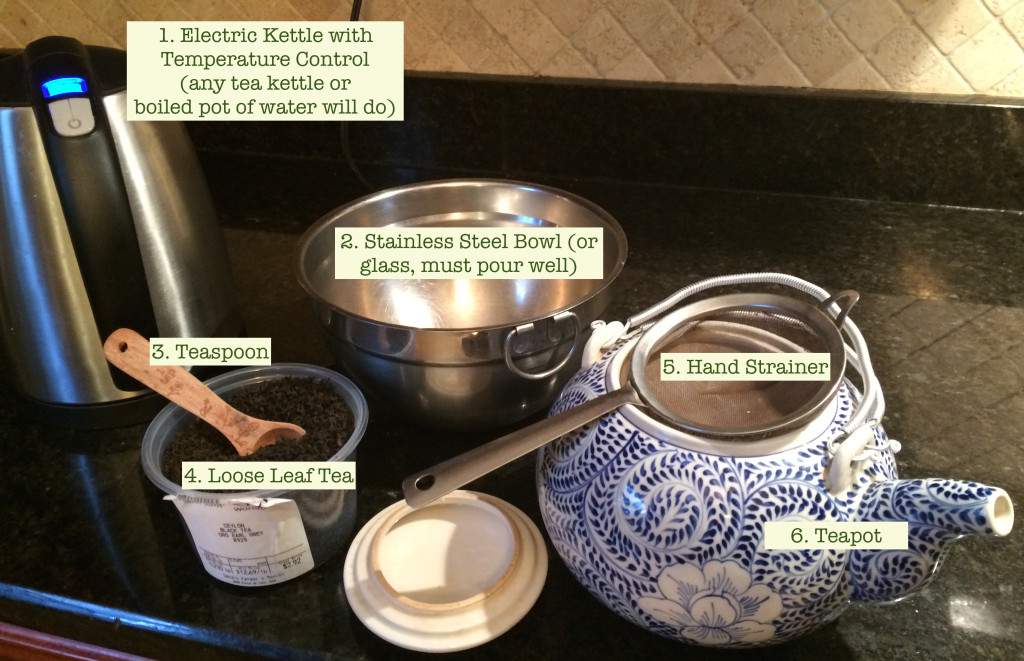
- Use the Right Equipment: Utilise a tea infuser or a brewing basket, allowing for ample space for the leaves to expand. This promotes an even infusion and richer flavours.
- Quality of Water: The type of water can significantly impact the experience. If possible, use filtered or spring water, which is free from additives and enhances the tea’s natural characteristics.
Armed with these brewing tips, the next cup may finally debunk the mystery of perfect tea, inviting you to relish the fruits of your labour.
The Health Benefits of Loose Leaf Black Tea
Beyond its invigorating aroma and flavours, loose leaf black tea is a treasure trove of health benefits. Among the most notable are:
- Rich in Antioxidants: Black tea is replete with polyphenols, particularly flavonoids, which combat oxidative stress, an imbalance that can lead to chronic diseases.
- Promotes Heart Health: Studies suggest that regular consumption may reduce the risk of heart disease. The flavonoids help improve cholesterol levels and improve blood vessel function.
- Enhances Mental Alertness: The moderate caffeine content in black tea can improve focus and alertness, making it an ideal beverage for those needing a cognitive boost during demanding tasks.
- Aids Digestion: The tannins present in black tea can enhance the digestive process, potentially soothing the gastrointestinal tract and promoting better gut health.
- May Help Manage Weight: Some research indicates that the compounds found in black tea may help in weight management by boosting metabolism and fat oxidation.
Incorporating loose leaf black tea into your daily ritual not only offers a moment of tranquility but also bestows a plethora of health benefits. What if you discovered that something as simple as your tea could contribute to a heart-healthy lifestyle?
A Flavour Guide to Loose Leaf Black Tea
Exploring different types of loose leaf black tea unlocks a world of unique and delightful flavours. Below is an exploration of several popular varieties:
- Assam: Known for its bold, malty flavour and rich body, Assam tea is perfect for those who enjoy a strong cup in the morning. Often used in breakfast blends, it also goes splendidly with milk.
- Darjeeling: Often referred to as the ‘Champagne of teas,’ Darjeeling possesses a delicate floral aroma and musky spiciness. This tea is commonly enjoyed without milk, allowing its complex notes to shine through.
- Nilgiri: Hailing from Southern India, Nilgiri tea is fragrant and brisk, exhibiting a pleasingly sweet character. It’s versatile enough for both hot and iced preparations.
- Ceylon: Ceylon tea offers vibrant notes of citrus and pine. Its crisp flavour makes it an excellent choice for afternoon tea, often served plain or with a slice of lemon.
- Kenya: Characterised by its strong, bold flavour, Kenyan black tea is often infused with fruity undertones. It is a versatile choice, often enjoyed in full-bodied blends.
Each variety brings with it a distinctive profile that can influence your mood or accompany a specific occasion. As you navigate through these flavours, consider which tea might become your new favourite.
Conclusion
Loose leaf black tea is more than just a beverage; it is a multifaceted experience rich with flavour, aroma, and health benefits. By understanding the brewing tips, recognising the health perks, and exploring the diverse flavour profiles, you embark on a journey of discovery that enriches your tea-drinking experience. Are you ready to challenge yourself to brew your best cup yet? The world of loose leaf black tea awaits your exploration, promising to reward your curiosity with each sip.
FAQ
What is loose leaf black tea?
Loose leaf black tea is made from the fully oxidized leaves of the Camellia sinensis plant, offering a richer flavor compared to bagged tea.
How do I brew loose leaf black tea?
Use one teaspoon of loose leaf tea per cup of water, steep for 3-5 minutes at a temperature of 90-100°C.
What are the health benefits of loose leaf black tea?
It is rich in antioxidants, promotes heart health, enhances mental alertness, aids digestion, and may help in weight management.
What are some popular types of loose leaf black tea?
Popular varieties include Assam, Darjeeling, Nilgiri, Ceylon, and Kenya, each with unique flavor profiles.





Leave a Reply