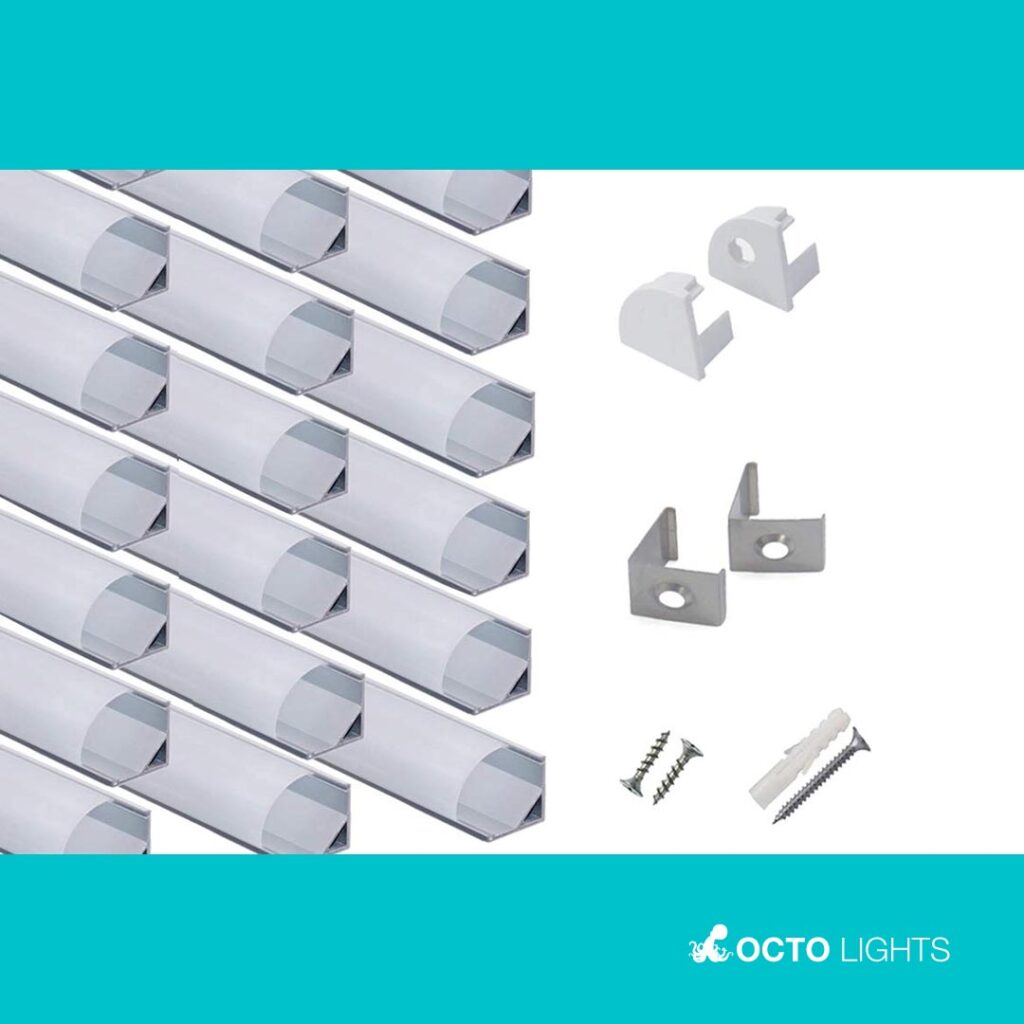
Short Answer
LED strip lights have become increasingly popular in contemporary interior design, serving not just as a source of illumination but as an integral component of aesthetic expression. While the brilliance of these lights is undeniable, they can create an overwhelming glare if used without adequate coverings. This is where LED strip light covers, or diffusers, come into play. This article delves into the myriad advantages of using LED strip light covers, explores the nuances of their installation, and offers pragmatic tips to ensure optimal performance and longevity.
Understanding the allure of LED strip lights is primarily rooted in their versatility. They can be ingeniously installed under cabinets, along hallways, or even around artwork. However, many enthusiasts observe that unshielded strips can produce an eye-watering glare, rendering spaces not just unattractive but uncomfortable. This is where diffusers become indispensable; they soften the harshness of direct light and distribute it evenly across surfaces, resulting in a more pleasing ambience.
The progression from unshielded LED strips to elegant, diffused lighting reveals a deeper appreciation for both aesthetics and functionality. Diffusers not only enhance visual appeal; they also serve a protective purpose. During installation or day-to-day usage, LED strips often experience environmental wear, ranging from dust accumulation to moisture exposure. A sturdy diffuser acts as a formidable barrier, safeguarding the lights and prolonging their lifespan.
To make the most of LED strip light covers, understanding their material composition is vital. Typically fabricated from polycarbonate or acrylic, these materials counteract UV rays that can lead to degradation. The choice of material can dramatically affect the quality of the light emitted. Acrylic, for example, tends to provide a clearer light distribution, while polycarbonate offers better resistance against impacts and scratches. Therefore, before selecting a diffuser, it is prudent to assess the intended use of your LED strips and the environmental conditions they will encounter.
Installation of LED strip light covers is relatively straightforward, but several preparatory steps will ensure a seamless process. First and foremost, measure the length of the LED strip meticulously. Tolerance to error is minimal, as an ill-fitting cover can detract from the entire arrangement. Once the measurements are noted, select a diffuser that aligns perfectly with those dimensions.
Before commencing the installation, lay the LED strip along the planned area to check for alignment and adjust as necessary. This practice not only facilitates a cleaner application but also allows time to explore unique configurations and placements that may enhance the overall look. Once satisfied, the next step is to clean the surface thoroughly, as any dust or residue can hinder adhesive properties.
After ensuring the surface is pristine, apply the LED strip securely, ensuring it adheres properly along its entire length. With an adhesive back, most strips can simply be pressed into place. However, for areas that may encounter moisture or dust, consider using additional mounting brackets for enhanced stability.
After the LED strip is firmly in place, it is time to affix the light cover. Depending on the type of diffuser, some may snap into place, while others may require screws or adhesive. If opting for clips or mounting brackets, ensure they are of high quality and positioned strategically to provide adequate support. Remember, improper installation can lead to sagging or misalignment, which diminishes both the utilitarian and aesthetic value of your lighting project.
Post-installation, it’s crucial to assess the functionality of the LED strip light covers. Turn on the lights and observe the diffused effect. You should notice a more balanced light distribution which is flattering and inviting. If dark spots or overly bright areas persist, consider repositioning the diffuser or adjusting the brightness of the LED strip. Many designs offer compatibility with dimmer switches, allowing for further customisation.
Caring for your LED strip light covers is also paramount. Regularly assess them for clean lines; dust and fingerprints can detract from their functionality. Depending on the material, a gentle wipe with a soft, damp cloth can be undertaken to maintain clarity and cleanliness. For longer-lasting clarity, avoid abrasive materials or heavy-duty cleaners, as these can scratch or dull the surface.
In conclusion, the allure of LED strip light covers transcends mere aesthetics; they represent a thoughtful intersection of form and function. Their ability to protect and diffuse light opens avenues for creative expression in interior design while safeguarding against the wear and tear that often accompanies everyday use. From installation to ongoing maintenance, understanding the intricate details of LED strip coverage will ensure that your lighting projects not only illuminate your spaces but also invoke a sense of warmth and sophistication.
FAQ
What are LED strip light covers?
LED strip light covers are protective diffusers that soften the light emitted by LED strips, enhancing aesthetics and reducing glare.
How do you install LED strip light covers?
Installation typically involves measuring the length of the LED strip, cleaning the surface, adhering the strip, and then affixing the cover securely.
What materials are used for LED strip light covers?
Common materials include polycarbonate and acrylic, each offering different benefits for light diffusion and durability.
FAQ
What are LED strip light covers?
LED strip light covers are protective diffusers that soften the light emitted by LED strips, enhancing aesthetics and reducing glare.
How do you install LED strip light covers?
Installation typically involves measuring the length of the LED strip, cleaning the surface, adhering the strip, and then affixing the cover securely.
What materials are used for LED strip light covers?
Common materials include polycarbonate and acrylic, each offering different benefits for light diffusion and durability.



Leave a Reply