Short Answer
When it comes to modern construction materials, Oriented Strand Board (OSB) has emerged as a popular choice due to its durability, cost-effectiveness, and versatility. However, one prevailing question amongst builders, architects, and homeowners is: Is Oriented Strand Board waterproof? To navigate through this query, one must delve into its composition, moisture resistance, and various applications in building projects. In this comprehensive exploration, we dissect the moisture resistance of OSB, examining the characteristics that contribute to its performance in damp environments.
Understanding Oriented Strand Board
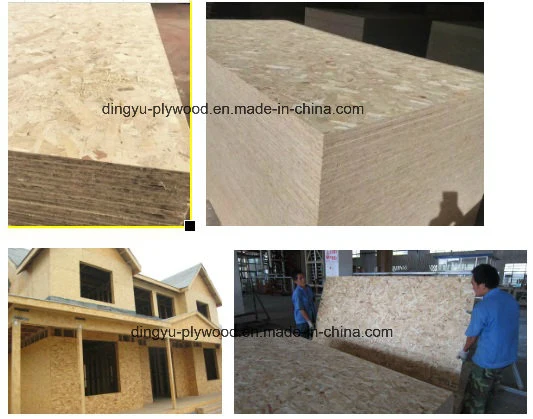
Oriented Strand Board is manufactured by layering strands or flakes of wood, which are then bonded together with adhesive resin under heat and pressure. This engineered wood product is designed to provide structural integrity while ensuring that the natural properties of wood aren’t entirely compromised. OSB panels are typically utilised in applications such as sheathing, flooring, and roofing. However, as OSB becomes a more ubiquitous material in construction, questions about its performance under moisture exposure have taken centre stage.
Types of OSB: An Insight into Moisture Resistance
To understand whether OSB can withstand water, it is critical to note that not all OSB is created equal. There are different grades and types of OSB, each with varying levels of moisture resistance. The most relevant types include:
- Standard OSB: This is the most common type of OSB and is typically used in dry environments. Standard OSB is not designed for direct exposure to water and can swell, warp, or degrade if subjected to excessive moisture.
- Water-Resistant OSB: This variant is treated with a water-repellent resin and is better suited for more humid environments. While not entirely waterproof, it does offer enhanced swelling resistance, making it a suitable option for locations that experience moderate moisture.
- Exterior OSB: Specifically formulated for exterior applications, this type includes additives to improve both its moisture resistance and durability against weather elements. It is often used in roofing, siding, and other outdoor applications, although it should still be protected from prolonged exposure to water.
Recognising these differences can guide builders in selecting the appropriate type of OSB for specific applications, particularly in environments prone to moisture and dampness.
The Science of OSB’s Moisture Resistance
When examining the moisture resistance of OSB, it is essential to consider the inherent properties of wood. Wood is hygroscopic, meaning it naturally absorbs and releases moisture. Consequently, this characteristic can lead to dimensional changes, such as swelling and shrinking, if OSB is subjected to moisture without proper protection. Nonetheless, OSB’s structure allows for certain types of moisture resistance:
- Surface Treatments: Various manufacturers enhance OSB with specific coatings that offer an additional layer of water resistance. These treatments not only repel moisture but also protect the surface from mould and fungal growth.
- Bonding Agents: The adhesives used in OSB are also crucial in determining its moisture proficiency. Certain advanced resins are designed to resist water better than standard variants, thus improving the board’s overall performance in humid conditions.
- Manufacturing Processes: The double-layered approach in OSB construction enhances its versatility. Strands are arranged in specific orientations, which contribute to the panel’s strength and resistance to warping when exposed to moisture.
While OSB is not entirely waterproof, these enhancements allow it to perform satisfactorily in environments where water exposure is a consideration.
Applications of OSB in Moisture-Prone Environments
OSB’s moisture resistance often dictates its application in various construction sectors. Below are some common usages where OSB is favoured, particularly when performance in moist conditions is a necessity:
- Roofing Systems: Due to its robust structural properties, OSB is commonly used in roofing systems where it can be subjected to rain and snow. However, in these instances, ensuring proper sealing and roofing membranes is vital to prevent moisture infiltration.
- Sheathing: In residential and commercial buildings, OSB serves as sheathing for walls and ceilings. Its capacity to handle moisture stress—when treated correctly—makes it a popular choice for this application.
- Flooring: OSB panels are frequently chosen for subflooring due to their superior strength. While they should not be directly exposed to water, layers of flooring materials can help mitigate risks associated with moisture.
Although OSB is versatile and reliable, ensuring suitable protective measures are in place is crucial when using it in moisture-heavy applications.
Practical Tips for Using OSB in Damp Conditions
To maximise the lifespan and performance of OSB in moisture-prone areas, consider the following tips:
- Proper Installation: Ensure that OSB is installed with adequate ventilation and spacing to allow for air circulation, reducing moisture build-up.
- Sealants and Coatings: Applying protective coatings or sealants on OSB can provide a formidable defence against moisture infiltration.
- Limit Exposure: Where possible, minimise the board’s direct contact with water or wet materials during construction.
- Regular Inspections: Conduct periodic checks on OSB installations to identify any signs of moisture damage early.
In conclusion, while Oriented Strand Board should not be classified as waterproof, its strategic enhancements and types empower it to perform effectively in humid environments. Understanding its composition, advantages, and potential applications can provide a solid foundation for those contemplating its use in construction. With the right precautions and techniques, OSB can contribute enormously to durable and efficient building practices, even in moisture-laden conditions.
FAQ
Is OSB completely waterproof?
No, OSB is not completely waterproof. It can resist moisture to varying degrees depending on the type and treatment but requires protective measures to prevent damage.
What types of OSB have better moisture resistance?
Water-resistant OSB and exterior OSB have enhanced moisture resistance due to special resins and additives, making them suitable for humid or outdoor applications.
How can I protect OSB from moisture damage?
Applying sealants or coatings, ensuring proper installation with ventilation, limiting direct water exposure, and performing regular inspections can protect OSB from moisture damage.
Can OSB be used in roofing applications?
Yes, OSB is commonly used in roofing, but it must be properly sealed and protected with roofing membranes to prevent moisture infiltration.

Leave a Reply