
When it comes to caravanning and towing trailers, proper visibility and compliance with legal regulations are paramount. Ifor Williams trailers, renowned for their durability and reliability, are no exception. Ensuring that the lights on your Ifor Williams trailer are functioning optimally is not just a matter of convenience; it is also a legal requirement. In this article, we will delve into replacement tips and the legal stipulations surrounding trailer lights, providing you with a comprehensive understanding of the subject.
1. Understanding Trailer Light Functionality
Trailer lights serve several critical functions, including signalling, illumination, and ensuring visibility for road safety. The standard set comprises tail lights, brake lights, and indicators, which collectively facilitate communication of the trailer’s intentions on the road. The absence or malfunction of any of these lights can lead to visibility issues, potentially resulting in accidents and legal ramifications.
2. Recognising Common Signs of Failure
Being attuned to the functionality of your Ifor Williams trailer lights is essential. Common indicators that your lights may need replacement include:
- Dim or flickering lights that fail to illuminate consistently.
- Complete absence of light in specific functionalities (e.g., brake lights or indicators).
- A noticeable coating of condensation inside the light housing, signalling a potential water ingress issue.
- Physical damage to the lenses or fittings, which can compromise the integrity of the lighting system.
If you notice any of these issues, it’s prudent to act swiftly to rectify them, as delay could escalate minor problems into more significant safety hazards.
3. Types of Trailer Lights
Ifor Williams trailers typically utilise a variety of lighting systems, all designed to meet specific requirements. The following are the most common types:
- Tail Lights: These lights illuminate your trailer’s rear when driving in low visibility conditions, ensuring that other drivers can see you.
- Brake Lights: Activated when you press the brake pedal, these are vital for alerting drivers behind you of deceleration.
- Indicator Lights: Essential for signalling turns or lane changes, they play a crucial role in preventing accidents.
- Reverse Lights: These lights illuminate the area directly behind the trailer when reversing, enhancing safety.
- Side Marker Lights: They help in enhancing visibility from the sides, especially for wider trailers during night time.
When replacing these components, selecting the right type based on your specific model is crucial for optimal compatibility and performance.
4. Replacement Tips
Replacing trailer lights can seem daunting, but it can be straightforward with the right approach. Here are some tips to guide you through the process:
- Consult the Owner’s Manual: Always start by referring to your Ifor Williams trailer’s owner manual for specific instructions on light types and assembly diagrams.
- Gather Tools Required: Typically, you will need screwdrivers, socket wrenches, and replacement bulbs or light fixtures. Investing in quality components is essential.
- Disconnect the Power: Before proceeding, ensure that the trailer is disconnected from the vehicle to prevent any electrical shock or short-circuiting.
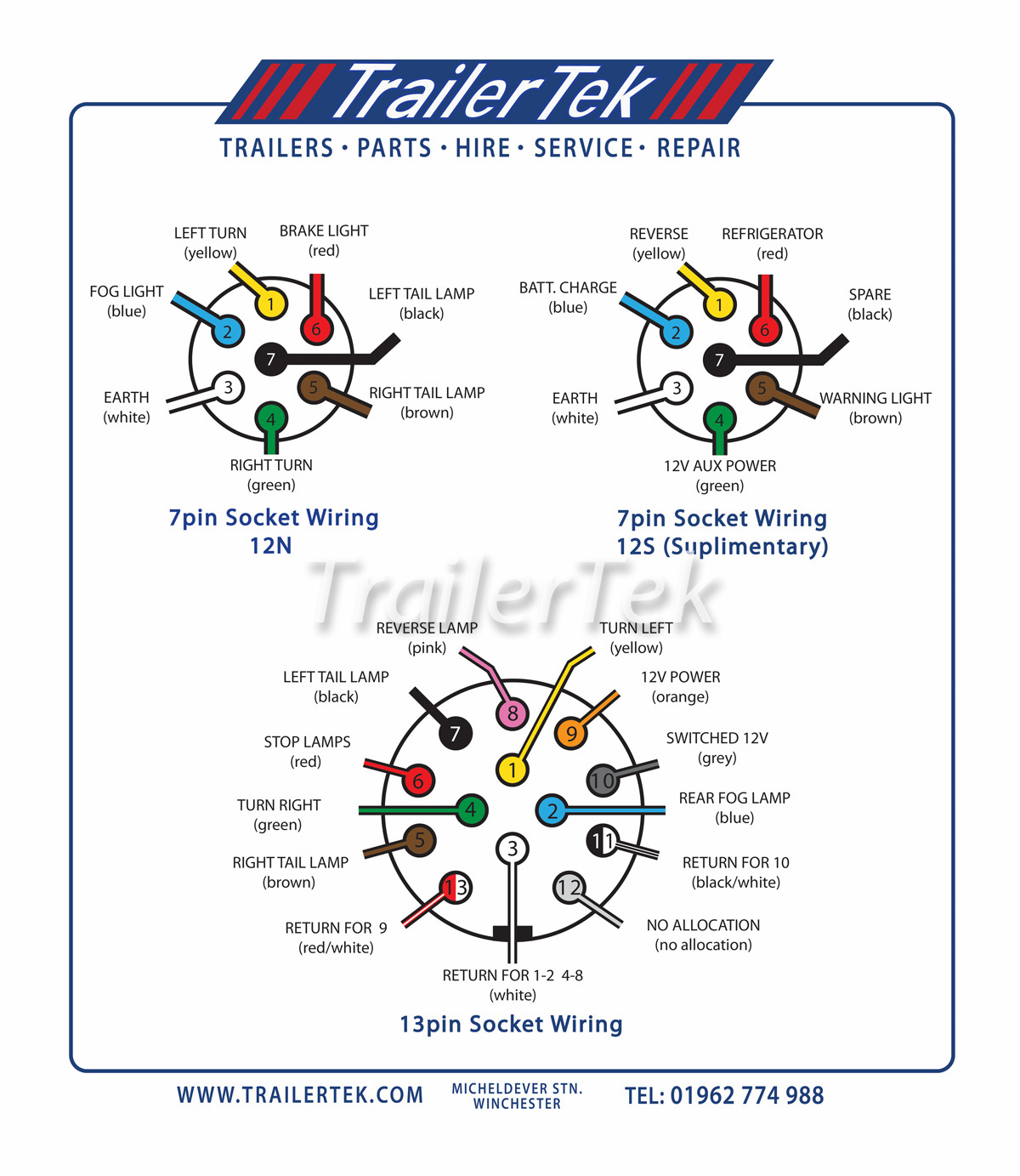
- Inspect Wiring Harness: While replacing lights, inspect the wiring harness for any signs of wear, damage, or corrosion. This is vital as faulty wiring can lead to light failures.
- Secure the New Fixtures: Follow the manual for installation guidance, ensuring that the new lights are firmly secured to prevent vibrations from dislodging them while driving.
- Test the Lights: Once installation is complete, perform a thorough check to confirm all lights are functioning correctly before hitting the road.
5. Legal Requirements for Trailer Lights
Operating a trailer with faulty or inadequate lighting not only poses safety risks but also breaches legal requirements. Under UK law, your trailer must be equipped with:
- Two functioning brake lights.
- Indicators that should be visible from both sides.
- Tail lights that function properly in low-visibility environments.
- Reflective markers to aid visibility from various angles.
Failure to comply with these regulations can result in penalties, including fines and possible points on your driving licence, highlighting the importance of regular maintenance and timely light replacements.
6. Regular Maintenance and Inspection
To preempt issues before they arise, regular maintenance is crucial. Conducting quarterly inspections can save you from costly repairs and ensure uninterrupted utilisation of your trailer. This includes checking not only the lights but also the entire electrical system, including connectors and fuses.
Additionally, storing your trailer in a dry, sheltered area can help protect the light fixtures from environmental factors such as rain and UV exposure.
7. Conclusion
The importance of functioning lights on your Ifor Williams trailer cannot be overstated. By understanding the types of lights, being vigilant for signs of failure, and adhering to legal requirements, you can ensure a safe and compliant towing experience. Remember to engage in regular checks and swift replacements to preserve the integrity of your trailer and enhance safety for all road users. Whether navigating country lanes or busy highways, being equipped with the correct lighting is not just good practice – it’s essential.





Leave a Comment