
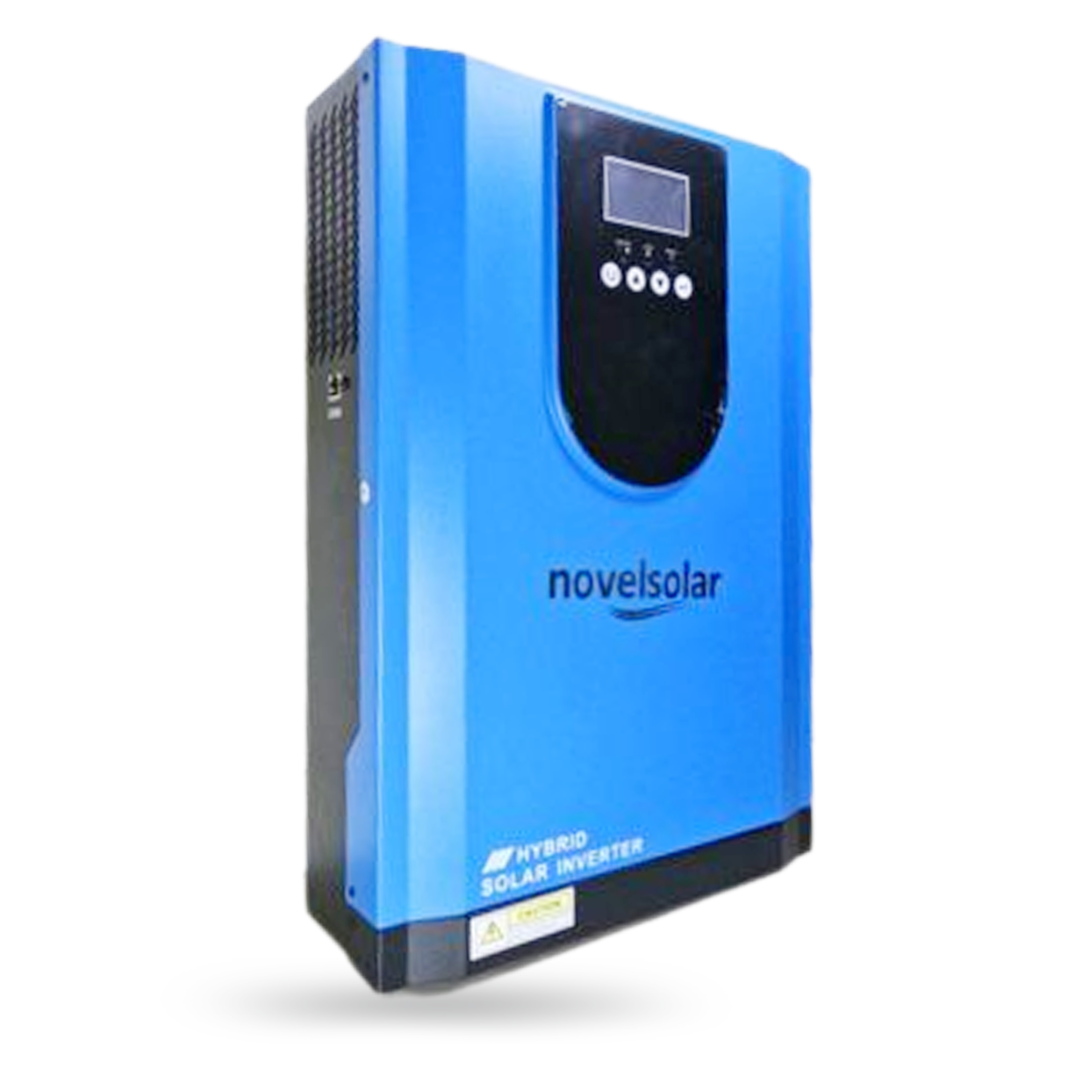
In recent years, the surge in solar energy adoption has catalysed an intriguing evolution in renewable technology. Among the vanguard of this transformation are hybrid inverters, which ingeniously combine the functionalities of traditional solar inverters with supplementary power sources, such as batteries. This article delves into the multifaceted advantages of hybrid inverters, outlines the installation process, and offers a comprehensive buying guide to help both novices and seasoned enthusiasts navigate this shifting landscape.
Understanding Hybrid Inverters
Hybrid inverters serve as the nexus between solar panels, batteries, and the grid. Unlike conventional solar inverters that merely convert DC power from solar panels to AC power for home use, hybrid inverters possess the dual capability to manage energy storage and facilitate grid interaction. This fusion promotes not only energy autonomy but also resilience against outages—an exceedingly coveted trait in today’s world.
The Benefits of Hybrid Inverters
Hybrid inverters proffer a plethora of advantages that extend far beyond mere energy conversion. Among these, the most prominent include:
- Enhanced Energy Independence: By integrating batteries with the solar power system, users are no longer reliant solely on the grid. This autonomy becomes particularly vital during power outages or when electricity rates peak.
- Optimised Energy Usage: Hybrid systems judiciously manage energy flows, ensuring that the homeowner employs self-generated solar energy before resorting to grid power, thereby minimising costs and maximising efficiency.
- Environmental Impact: A commitment to sustainability is epitomised through the use of hybrid inverters, which significantly lower reliance on fossil fuels and reduce carbon footprints, promoting a greener future.
- Future-Proofing Your Energy Needs: As utility costs likely continue to escalate, incorporating a hybrid inverter allows an adaptable energy solution that can be tailored to future energy demands without necessitating a complete system overhaul.
- Seamless Energy Transition: In the event of a grid failure, hybrid inverters seamlessly transition to battery mode, ensuring uninterrupted power supply to your home, unlike traditional solar systems that falter during blackouts.
Setting Up a Hybrid Inverter
Understanding the installation of hybrid inverters unveils yet another layer of their merits. The set-up process, while intricate, is manageable with a structured approach. Here are the primary steps involved:
- Assessment of Energy Needs: Before delving into installation, conduct a comprehensive analysis of your energy consumption patterns. This assessment will guide the sizing of both the solar panel array and the battery storage system, ensuring you select components that meet your unique requirements.
- Component Selection: Choosing the right hybrid inverter model is imperative. Opt for devices that accommodate your solar generation capacity while offering scalability for future expansions. Popular brands often include features such as monitoring apps and smart load management.
- Solar Panel Installation: Position your solar panels in an optimal location, typically facing south, to maximise sunlight exposure. Their orientation affects energy production and, consequently, the efficacy of the entire system.
- Battery Integration: Select a compatible battery system. Lithium-ion batteries are widely favoured due to their longevity and efficiency, but lead-acid solutions may meet specific budget constraints. Expert consideration should factor in battery chemistry, capacity, and discharge rate.
- Inverter Configuration: After installing both the solar panels and battery, proceed to configure the hybrid inverter. This stage generally involves integrating the inverter with both the grid and the energy storage, ensuring it toggles seamlessly between sources.
- System Testing: Once everything is physically installed, conduct a thorough examination of the entire setup for functionality. Confirm that the inverter is tracking both production and consumption accurately, as well as ensuring that transition protocols operate without glitches.
Buying Guide for Hybrid Inverters
With an array of hybrid inverters saturating the market, making an informed purchase decision requires thorough consideration. Here are critical elements to ponder:
- Power Rating: Assess the inverter’s power output. Choose a model that accommodates your peak consumption levels. Oversizing ensures operational capacity during maximum energy use, while undersizing can limit functionality.
- Efficiency Ratings: Inverter efficiency ratios indicate how well the device converts solar energy into usable power. Seek out models boasting high efficiency ratings (typically above 95%), which will translate to increased energy savings.
- Expandable Capabilities: As energy needs evolve, ensure that the hybrid inverter can adapt. Select models that allow you to easily augment battery storage or add more solar panels in the future.
- Warranty and Support: A robust warranty is often indicative of quality. Opt for manufacturers that extend substantial warranties on their hybrid inverters, as well as post-installation support.
- Smart Features: Look for cutting-edge technology embedded in the device. Many modern hybrid inverters provide monitoring via apps, allowing for real-time energy tracking and reports that enhance your understanding of energy dynamics.
Adopting hybrid inverters heralds a significant shift in energy self-sufficiency and economically sustainable living. As they seamlessly integrate into our lives, their capacity to transform the way we harness solar energy is profound, promising not only financial prudence but an indelible commitment to ecological sustainability. Embarking on this journey with a hybrid inverter might just be the pivotal decision that reshapes how households and businesses approach their energy futures.







Leave a Comment