
Understanding the health of your canine companion is of paramount importance, especially when it comes to parasites such as worms. These parasites can cause various health complications, and early detection is key to safeguarding your pet’s wellbeing. This article delves into the myriad aspects of how to discern if your dog is afflicted by worms, along with suitable treatment options.
There are several types of worms that commonly infect dogs, including roundworms, tapeworms, hookworms, and whipworms. Each type comes with its own set of symptoms and health implications, making it crucial for pet owners to understand the signs to look out for.
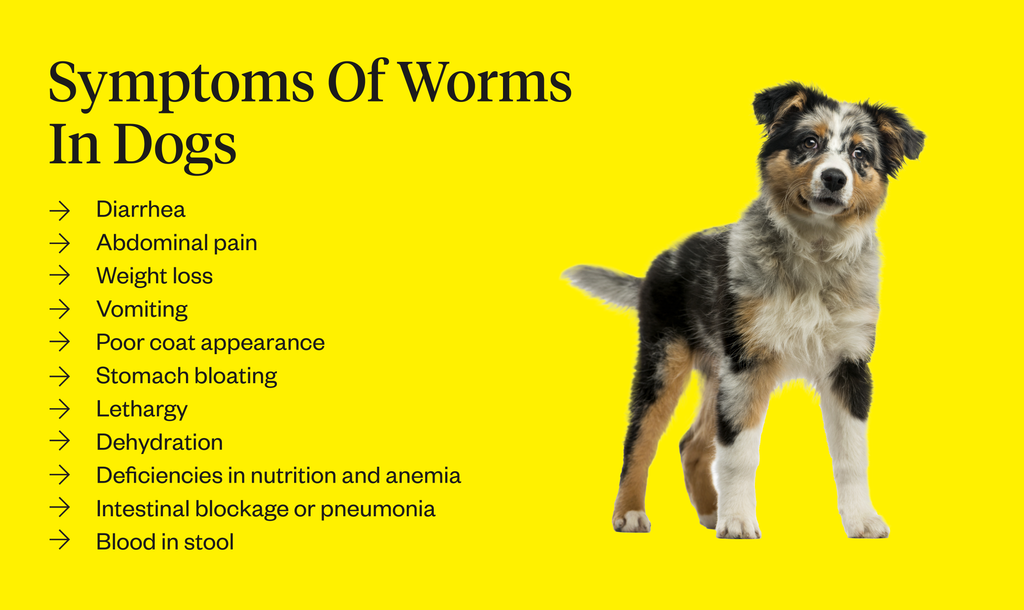
Identifying the Symptoms of Worm Infestation
One of the most prominent indicators of worms in dogs is a noticeable change in their behaviour or appearance. Here are some key symptoms to be aware of:
1. Weight Loss
If your dog is maintaining an otherwise healthy appetite but is inexplicably losing weight, it may be suffering from a worm infestation. Parasites absorb nutrients, starving your pet from essential sustenance. Monitor their body condition and consult a vet if you observe such weight fluctuations.
2. Changes in Appetite
Fluctuations in appetite, whether it be increased hunger or a sudden decrease, can signal the presence of worms. Some dogs may become ravenous as they try to compensate for the nutrients consumed by the parasites, while others may refuse food altogether. Sudden shifts warrant attention from a veterinary professional.
3. Vomiting
Frequent vomiting can also be symptomatic of worm infestation. Roundworms, in particular, can instigate gastrointestinal distress, leading to episodes of vomiting. If you notice your dog vomiting with regularity, especially if you see worms in the vomit, prompt veterinary consultation is imperative.
4. Diarrhoea
Diarrhoea is another common symptom that can manifest as a side effect of intestinal worms. Check for any unusual consistency or presence of blood in the stool. The latter can lead to dehydration, which poses serious health risks to your dog.
5. Lethargy and Weakness
A lack of energy can often escape the notice of pet owners. Dogs suffering from worms are frequently lethargic, showing an unusual disinterest in play and exercise. This fatigue can arise due to anemia, a condition caused by hookworms feeding on the dog’s blood. A general sense of weakness can indicate a more severe underlying condition.
6. Distended Abdomen
A visibly swollen or bloated abdomen—often described as a ‘potbelly’—can occur in dogs infected with roundworms. As these parasites multiply, they can cause significant internal pressure, resulting in an uncomfortable and alarming appearance.
7. Itching and Irritation
Some parasitic infections lead to skin irritation and itchiness, particularly around the anus. Dogs may exhibit surprising behaviours, like scooting on their rear or excessive licking. Such actions might indicate the presence of tapeworm segments, which are often absent from the stool but can be found around the anal area.
The Diagnostic Process
Upon noticing any of the aforementioned symptoms, scheduling a visit to the vet is crucial. The diagnosis typically involves a combination of physical examinations and fecal tests to detect the presence of worm eggs or segments. This candid approach empowers pet owners to choose the most effective treatment regimen tailored to their dog’s specific needs.
Treatment Options for Worms
The treatment for worms in dogs varies according to the type of parasite identified. Here are the most common strategies employed in the fight against these insidious invaders:
1. Deworming Medications
Most treatments involve the administration of deworming medications, which are designed to eradicate specific types of worms. These medications are generally given in a single dose or over a few days, depending on the worm type. Commonly used medications include praziquantel for tapeworms, fenbendazole for roundworms, and ivermectin for various types.
2. Follow-Up Testing
It is essential to follow up with the vet after treatment. A subsequent stool sample can confirm if the deworming was successful or if further treatments are necessary. Regular monitoring ensures that your dog is back to optimal health and free from parasites.
3. Preventative Measures
The key to maintaining a worm-free dog is proactive prevention. Regular veterinary check-ups, health screenings, and consistent deworming schedules are essential. Moreover, adopting a rigorous hygiene practice, such as cleaning up after your dog immediately and ensuring they don’t have access to feces, can significantly reduce the risk of infection.
In conclusion, worms are a common yet serious threat to your dog’s health. Recognising the signs and responding promptly to symptoms can help in swift diagnosis and treatment. By understanding the risks and taking preventative measures, you can ensure your furry friend remains happy and healthy, free from the woes of worm infestations.







Leave a Comment