Short Answer
Canines, much like humans, can suffer from dental issues that lead to tartar build-up. Tartar is a hard, calcified deposit that forms on the teeth when plaque is not adequately removed. If left untreated, it can result in periodontal disease, affecting not just a dog’s oral health but their overall wellbeing. Fortunately, there are several safe and effective home remedies, along with veterinarian tips, to soften and remove tartar. Below, we delve into a variety of methods, providing a comprehensive guide for dog owners looking to maintain their pet’s dental hygiene.
Understanding Tartar Build-Up
Before diving into remedies, recognising how tartar develops is crucial. When food particles and bacteria cling to your dog’s teeth, they form plaque. If plaque is not brushed away, it mineralises into tartar within 24 to 72 hours. Tartar forms a rough surface that can trap more plaque, leading to even greater build-up. Not only does this affect the aesthetics of your dog’s smile, but it can also lead to bad breath and even more serious health issues.
1. Regular Tooth Brushing
The cornerstone of any dental care regimen is regular tooth brushing. Using a toothbrush specifically designed for dogs, along with pet-safe toothpaste, can significantly reduce tartar accumulation. Aim to brush your dog’s teeth at least two to three times a week. Introduce this practice gradually; several dogs may need time to acclimatise to the sensation of having their teeth brushed. Use positive reinforcement throughout the process to encourage cooperation.
2. Natural Chewing Alternatives
Chew toys and treats can be instrumental in promoting oral health. Chewing helps to mechanically scrub away plaque and tartar. Look for options made from natural materials, such as rubber or dental chews that contain enzymes known to combat oral bacteria. Chewing helps exercise the jaw and stimulates the gums, promoting blood flow and overall dental health.
3. Coconut Oil: A Tooth-Friendly Elixir
Coconut oil is not only a popular cooking ingredient but also exhibits antibacterial properties that can be beneficial for your dog’s dental hygiene. You may apply a small amount of coconut oil to your dog’s teeth using your finger or a toothbrush. Its antimicrobial effects can help reduce plaque build-up while also providing a pleasant taste. Furthermore, dogs often find the flavour appealing, making it a more enjoyable experience.
4. Baking Soda: A Gentle Abrasive
Another option in your dental arsenal is baking soda, known for its gentle abrasive properties. When mixed with water to form a paste, it can help dislodge tartar. However, it is essential to ensure that the concentration is low; using too much can irritate the gums. Just a pinch applied during brushing can assist with softening tartar and freshening breath.
5. Apple Cider Vinegar: The Acetic Acid Advantage
Apple cider vinegar is renowned for its numerous health benefits, and its capacity to combat dental issues is noteworthy. The acetic acid in vinegar can help dissolve tartar and lessen plaque. Dilute apple cider vinegar in water and, using a soft cloth, wipe your dog’s teeth and gums. Alternatively, mix it into their water bowl, but do so sparingly due to its acidic nature.
6. Diet and Nutrition
Paying attention to your dog’s diet can also influence their dental health. Incorporating high-quality dry food can promote chewing, which is essential in keeping teeth clean. Some brands sell specially formulated dental diets designed to reduce tartar formation. Fresh vegetables, such as carrots or celery, can also serve as natural toothbrushes, encouraging chewing while providing essential nutrients.
7. Hydration Methods
Encouraging your dog to drink plenty of water is imperative. Water helps wash away food particles, debris, and bacteria, preventing them from adhering to the teeth. Consider using a water fountain, as the movement of water can entice dogs to drink more, leading to better hydration and oral hygiene.
8. Routine Veterinary Check-Ups
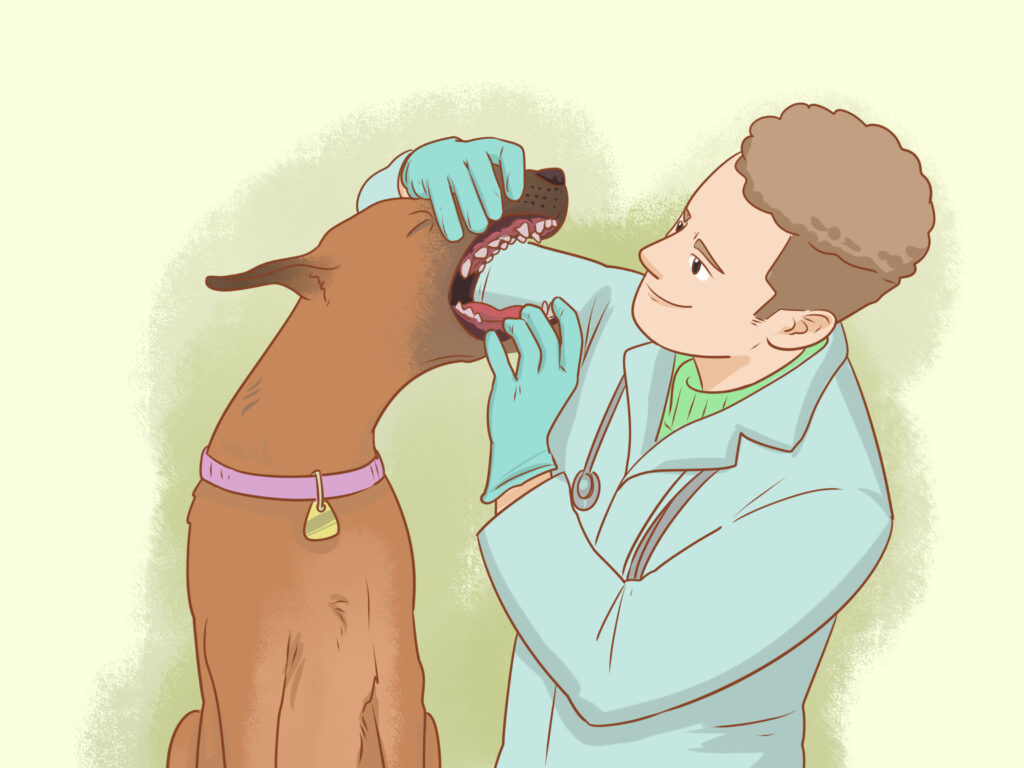
Even with diligent home care, regular veterinary check-ups are essential. A professional dental cleaning may be necessary, particularly for dogs with significant tartar build-up or dental disease. Vets can also offer advice tailored to your dog’s specific needs. They may recommend certain products or treatments that can reinforce your at-home efforts.
9. Spotting Dental Issues
As a responsible pet owner, it’s essential to monitor for signs of dental issues. Look out for bad breath, excessive drooling, difficulty eating, or swollen gums. If you notice any abnormalities, consult your veterinarian promptly to prevent progression to more severe dental issues.
10. Combining Methods
While any individual remedy can be effective, combining several strategies will yield the best results. For instance, incorporate tooth brushing with natural chew toys, ensure a balanced diet, and schedule regular vet visits. By creating a comprehensive oral care routine, you can optimise your dog’s dental health and enhance their quality of life.
Conclusion
Maintaining your dog’s oral hygiene is a vital yet often overlooked aspect of pet care. Incorporating these remedies and practices will not only soften and remove tartar but also reinforce a healthy lifestyle for your canine companion. Remember, a smile with bright teeth and healthy gums isn’t just aesthetically pleasing; it is a critical component of your dog’s overall wellbeing.
FAQ
What is tartar buildup in dogs?
Tartar buildup is a hard, calcified deposit that forms on dogs’ teeth when plaque is not adequately removed, potentially leading to dental disease.
How can I prevent tartar buildup in my dog?
Regular tooth brushing, providing dental chews, and ensuring a balanced diet can help prevent tartar buildup in dogs.
Are home remedies safe for my dog's dental health?
Many home remedies, such as coconut oil and baking soda, can be safe and effective for dental care when used correctly.
When should I take my dog to the vet for dental issues?
You should consult your veterinarian if you notice signs of dental problems, such as bad breath, difficulty eating, or swollen gums.




Leave a Reply