
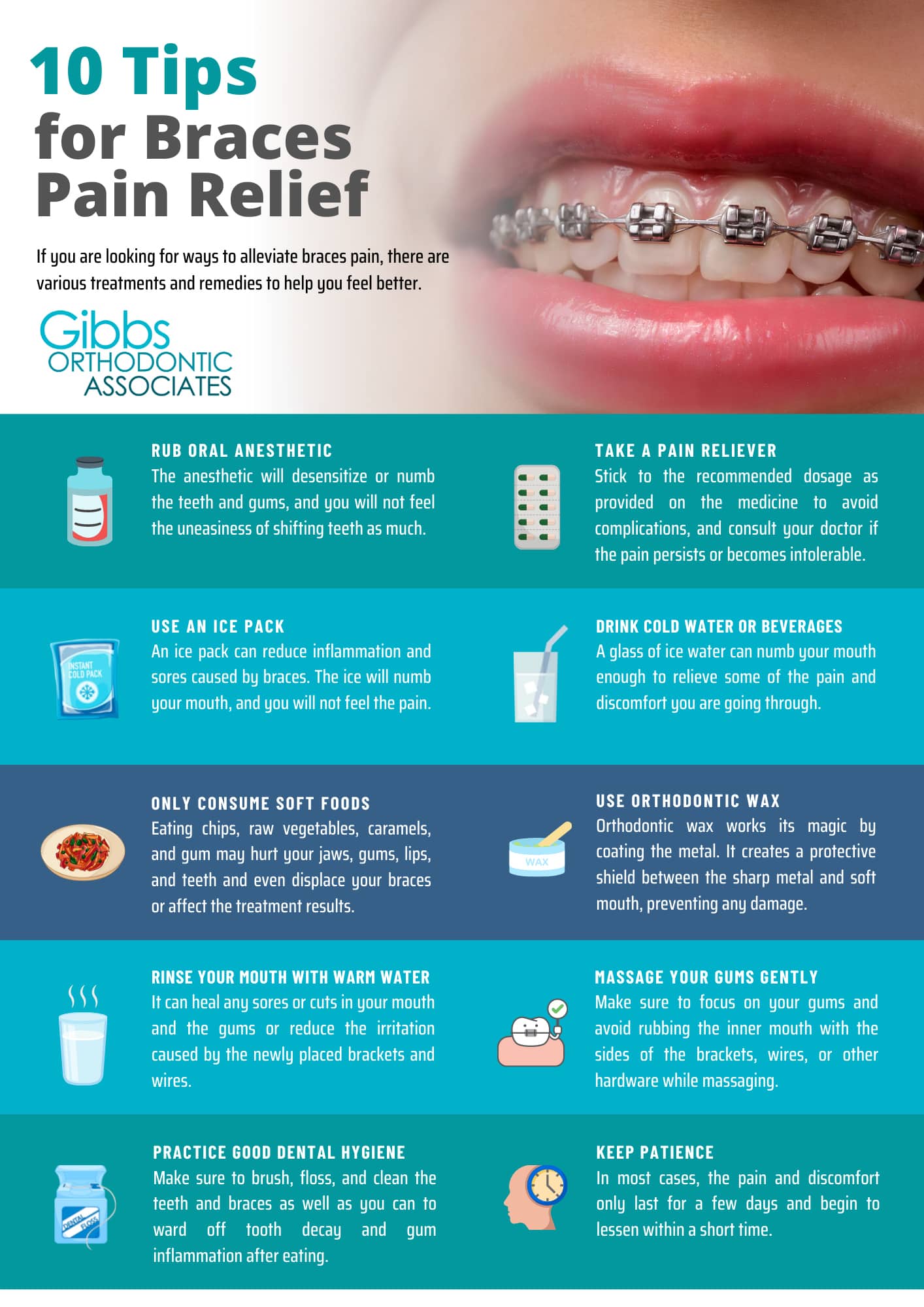
For many individuals, the journey towards a straighter smile often comes with a degree of discomfort, especially when adjusting to braces. This discomfort is a natural result of the pressure exerted by brackets and wires on the teeth to gradually shift them into alignment. However, the good news is that several effective strategies can be employed to alleviate this pain and make the orthodontic experience more tolerable. In this article, we will explore a range of proven tips and techniques for fast relief from braces pain, ensuring you can navigate this transformative process with greater ease.
1. Opt for Over-the-Counter Pain Relief
One of the most immediate forms of relief comes from the use of over-the-counter painkillers, such as ibuprofen or paracetamol. These medications have anti-inflammatory properties that can significantly alleviate soreness. It is important to follow the dosage instructions on the packaging carefully. If pain persists beyond a few days or worsens, consulting your orthodontist is imperative, as it might warrant further investigation.
2. Ice Packs for Swelling
Applying an ice pack to the affected areas can work wonders in alleviating discomfort. Cold therapy helps numbing the jaw region while reducing any swelling. Wrap some ice cubes in a clean cloth and apply it to the side of your face for intervals of 15-20 minutes. This method not only provides immediate relief but also aids in reducing inflammation caused by tight wires or brackets.
3. Warm Salt Water Rinses
A simple but effective home remedy involves rinsing with warm salt water. This natural solution can provide a soothing effect on sore gums and help maintain oral hygiene. Dissolve a teaspoon of salt in warm water and swish it around your mouth for a minute before spitting it out. Performing this rinse multiple times a day can promote healing and alleviate pain from irritation due to braces.
4. Orthodontic Wax: A Barrier Against Irritation
Orthodontic wax is an invaluable ally for anyone navigating the challenges of braces. This pliable substance can be applied over the brackets and wires to create a smooth barrier between the braces and the soft tissues of your mouth. By doing so, it helps prevent cuts and sores that can exacerbate discomfort. Applying wax regularly, especially after adjustments, can make a substantial difference in your overall comfort level.
5. Choose Soft Foods Wisely
Navigating meals can become a challenge when you’re experiencing braces-related pain. It’s prudent to opt for soft foods that require minimal chewing. Foods such as mashed potatoes, yogurt, smoothies, and soups can provide nourishment without adding to your discomfort. Avoiding hard, crunchy, or sticky foods during the initial period after adjustment appointments can significantly lessen the likelihood of exacerbating pain.
6. Stay Hydrated
Hydration plays a pivotal role in maintaining overall oral health and comfort, especially when wearing braces. Drinking plenty of water not only ensures that you stay hydrated, but it can also help flush out bacteria that might cause oral discomfort. Additionally, staying hydrated helps to keep your mouth moist, mitigating any irritation or dryness that often accompanies braces.
7. Use a Soft-Bristled Toothbrush
Maintaining good oral hygiene is crucial while wearing braces, yet brushing your teeth can become painful due to sensitivity. Switching to a soft-bristled toothbrush can alleviate discomfort during brushing while effectively cleaning around the brackets and wires. Coupled with gentle brushing techniques, this can ensure that your oral health remains a priority without the aggravation of pain.
8. Consider Orthodontic Appliances
Your orthodontist may provide additional aids, such as elastic bands or spacers, to improve your treatment plan. While these appliances can sometimes induce discomfort, they are designed to enhance the effectiveness of braces. Discuss with your orthodontist the potential for temporary adjustments to decrease pain associated with these appliances, ensuring a more comfortable experience during wear.
9. Regular Orthodontic Check-Ups
Regular visits to your orthodontist are vital. During these appointments, adjustments are made to the braces to facilitate the movement of teeth. Communicating any ongoing discomfort or unusual pain during these visits allows your orthodontist to fine-tune the treatment plan. They may also be able to provide immediate relief strategies tailored to your individual needs, ensuring optimal care throughout your orthodontic journey.
10. Mindfulness and Relaxation Techniques
The mental aspect of dealing with braces pain should not be underestimated. Engaging in mindfulness practices such as deep breathing, meditation, or gentle yoga may help reduce stress and tension, which can amplify the perception of pain. By cultivating a calmer mindset, you may find it easier to cope with discomfort associated with braces.
Conclusion
While braces can contribute to significant discomfort during your smile transformation, employing a combination of the above strategies can lead to fast relief and increased comfort. By taking proactive measures and focusing on maintaining oral hygiene, nutrition, and emotional well-being, you can navigate the challenge of braces with resilience and grace. Remember, every individual’s journey is unique, and personalised care is essential for achieving lasting results in orthodontics.






Leave a Comment