
Embarking on the journey of orthodontic treatment can be transformative, not only for your smile but also for your dental hygiene routine. Many individuals find themselves overwhelmed with the intricacies of maintaining oral health whilst sporting braces. Yet, mastering the art of brushing your teeth with these dental devices is pivotal for ensuring a radiant, healthy smile post-treatment. This comprehensive guide delves into the nuances of effective brushing techniques, fostering a paradigm shift in how you perceive dental care during orthodontic treatment.
Understanding the architecture of braces is essential. Braces, comprising brackets affixed to each tooth, are interconnected by archwires. The myriad of nooks and crannies created by these apparatuses can become trapdoors for plaque, food particles, and bacteria. Therefore, a meticulous brushing regimen becomes an imperative rather than an option. This article will illuminate the requisite steps you must follow to elevate your oral hygiene practices to new heights.
Step 1: Equip Yourself with the Right Tools
The foundation for optimal oral health begins with the right tools. Selecting a soft-bristled toothbrush is vital; its gentle bristles allow for thorough cleaning without compromising the integrity of your braces or enamel. Consider an orthodontic toothbrush, specially crafted with a V-shaped bristle pattern that facilitates cleaning around brackets. Additionally, a fluoride toothpaste ensures that while you brush, you are simultaneously reinforcing the enamel of your teeth.
Moreover, incorporating supplementary cleaning aids such as interdental brushes or floss threaders can take your oral hygiene routine from adequate to exemplary. These tools navigate the tight spaces between the brackets and teeth, dislodging any debris that might otherwise be overlooked.
Step 2: Establish a Brushing Routine
Consistency breeds excellence. Establishing a brushing routine may appear mundane but is paramount during your treatment. It is advisable to brush your teeth after every meal. This habit mitigates the risk of plaque build-up and the formation of cavities. Carry a travel toothbrush with you for those instances when you cannot brush at home; this small adjustment can yield tremendous benefits.
Step 3: The Art of Brushing Technique
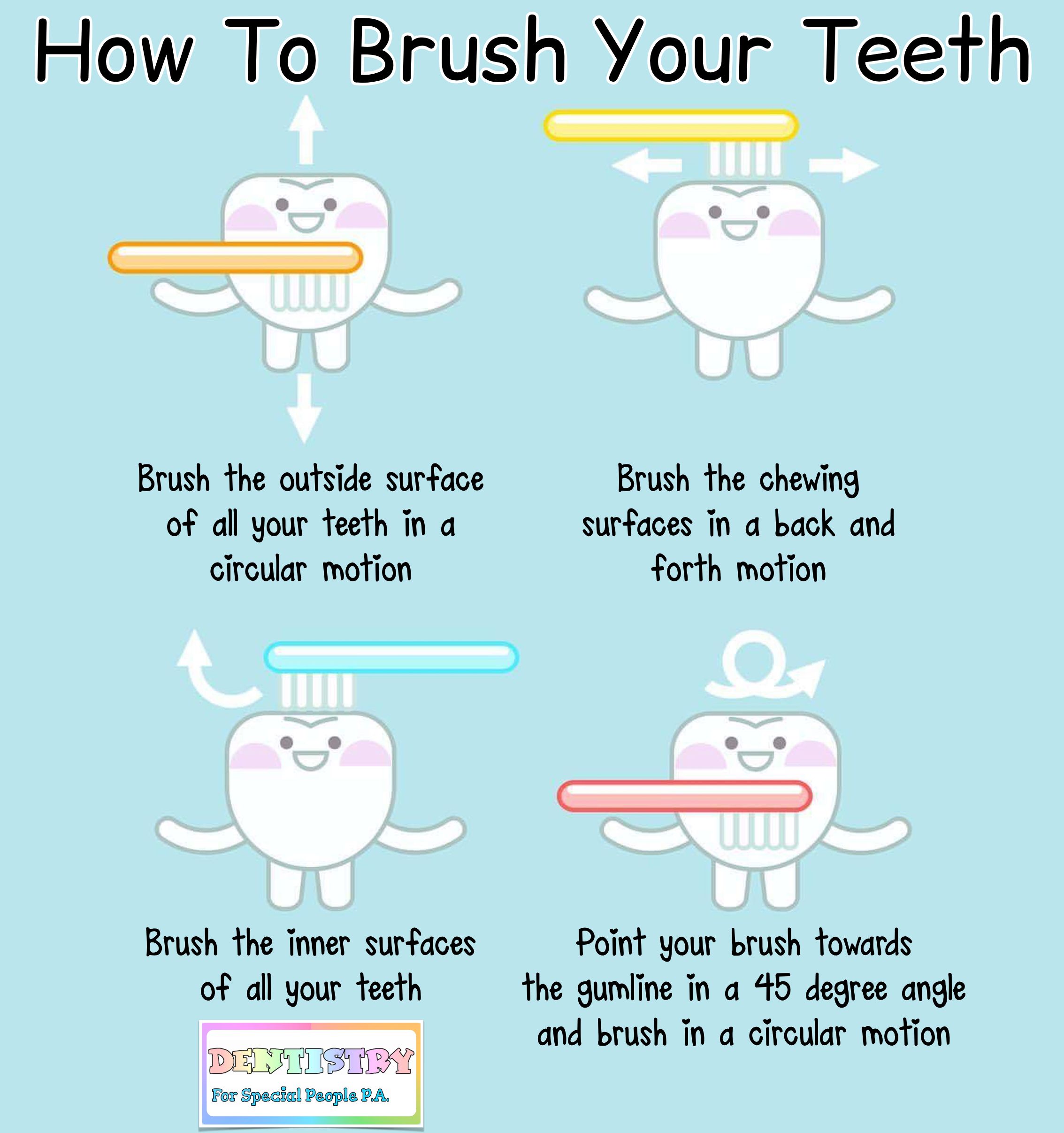
With your tools at the ready, it’s time to hone your brushing technique. Start by positioning your toothbrush at a 45-degree angle to the gum line to dislodge plaque effectively. Gently move the toothbrush in small circular motions, taking particular care around the brackets. Spend at least two minutes on this task, allowing yourself to navigate each quadrant of your mouth with diligence.
Brush the outer surfaces first, followed by the inner surfaces and finally the chewing surfaces. When cleaning the inner surfaces, tilt the toothbrush vertically and make several up-and-down strokes. These motions ensure that no area remains untouched, promoting an immaculate dental environment.
Step 4: Don’t Forget the Tongue and Palate
The importance of brushing your tongue and palate cannot be overstated. While it may slip your mind, bacteria can linger on your tongue, contributing to bad breath and bacterial growth. Employing the same toothbrush, gently brush your tongue and the roof of your mouth to maintain overall oral health. For those who find this practice uncomfortable, consider acquiring a tongue scraper to alleviate this concern.
Step 5: Floss, Floss, Floss
Flossing might be somewhat daunting with braces, but it is crucial for comprehensive oral hygiene. Utilising waxed dental floss specific for braces can help navigate the challenging terrain of your orthodontic hardware. Thread the floss between the wire and each bracket, gently guiding it between your teeth to eliminate hidden food particles and plaque. This step enhances your effort, ensuring you leave no stone unturned in your quest for cleanliness.
Step 6: Rinse and Repeat
After you have completed your brushing and flossing routine, rinsing your mouth with an antibacterial mouthwash serves as the perfect finishing touch. This final step aids in eliminating any residual bacteria while providing an invigorating freshness that signals the completion of your oral care regimen. Opt for a mouthwash that is alcohol-free to avoid unnecessary irritation to your gums.
Step 7: Regular Dental Check-ups
While maintaining a diligent brushing and flossing routine is paramount, regular visits to your orthodontist are of equal importance. These appointments not only allow for adjustments to your braces but also provide an opportunity for professional cleanings that remove stubborn plaque and tartar. Your orthodontist will also help ensure that your oral hygiene practices are up to par and offer guidance tailored specifically to your needs.
Step 8: Keeping a Positive Outlook
Lastly, maintaining a positive mindset throughout your orthodontic journey is crucial. Remind yourself that this phase is temporary and the results, a dazzling smile, are well worth the effort. Embrace the process and celebrate the small victories along the way. Each brushing session, each day of treatment brings you closer to the ultimate goal: a confident, healthy smile that you can cherish for years to come.
In conclusion, while the task of brushing teeth with braces may initially appear daunting, it can be broken down into manageable steps that promise to yield satisfying results. By equipping yourself with the right tools, establishing a consistent routine, and employing effective techniques, you will not only maintain excellent oral hygiene but also pave the way for a future filled with bright, uninhibited smiles.






Leave a Comment