Short Answer
Losing a stone, equivalent to approximately 14 pounds or 6.35 kilograms, is a common goal for many individuals seeking to improve their health and wellbeing. The journey to shedding this weight, however, is often fraught with challenges and misconceptions. As the fascination with rapid weight loss diets grows, it becomes essential to approach this topic with caution and pragmatism. This article outlines a comprehensive plan encompassing dietary adjustments, exercise regimens, and an achievable timeline for losing a stone safely.
Understanding the Motivation
The desire to lose weight stems from various influences—ranging from societal expectations to personal health aspirations. For many, the imagery of a healthier, more vibrant self is a powerful motivator. Yet, the underlying reasons are often more profound than merely aesthetic considerations. Many seek weight loss to alleviate medical concerns, enhance mobility, or boost self-esteem. Recognising these deeper motivations can provide clarity and resolve throughout the weight loss journey.
The Nutritional Foundation: Crafting a Diet Plan
A well-structured diet plan is paramount in the pursuit of losing a stone. Here are several key components to consider when designing your dietary regimen:
- Caloric Deficit: The cornerstone of weight loss is creating a caloric deficit. This means consuming fewer calories than your body expends. Aim for a deficit of 500 to 1000 calories per day to promote a safe weight loss of 1 to 2 pounds per week.
- Balanced Macronutrients: A diet rich in macronutrients—proteins, carbohydrates, and fats—is essential. Proteins provide satiety and help in muscle preservation, while healthy fats contribute to overall hormonal balance. Carbohydrates fuel energy levels, making it crucial to choose complex carbohydrates and fibrous vegetables that promote digestion and fullness.
- Hydration: Water plays a critical role in the weight loss process. Staying adequately hydrated can assist with satiety and promote metabolic efficiency. Aim for at least 2 litres of water per day.
- Mindful Eating: Practicing mindfulness during meals can drastically influence dietary choices. Tune into hunger cues, appreciate the textures and flavours of food, and avoid distractions that can lead to overconsumption.
- Meal Prepping: Consider preparing meals in advance to circumvent the temptation of unhealthy snacking or fast food. Incorporate whole foods like fruits, vegetables, lean meats, and whole grains to provide wholesome nourishment for your body.
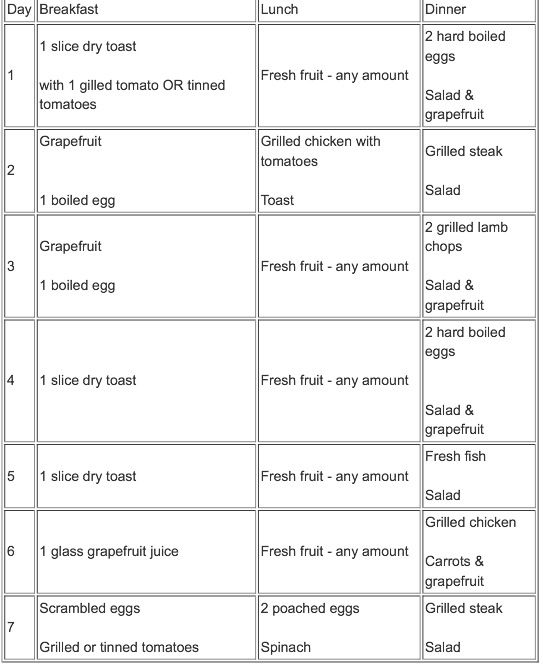
Sample Diet Plan for Losing a Stone
Creating a sample meal plan can be beneficial. Here’s a balanced approach for one day:
- Breakfast: A smoothie comprising spinach, banana, Greek yogurt, and a tablespoon of almond butter.
- Snack: A handful of mixed nuts or a piece of fruit, such as an apple or a pear.
- Lunch: Grilled chicken salad with mixed greens, cherry tomatoes, cucumbers, and a vinaigrette dressing.
- Snack: Carrot sticks with hummus or a small portion of cottage cheese.
- Dinner: Baked salmon with quinoa and steamed broccoli, seasoned with lemon and herbs.
This plan is not rigid; rather, it serves as a flexible template that can be adjusted to personal preferences and nutritional needs.
The Role of Exercise in Weight Loss
In conjunction with dietary modifications, exercise is a fundamental pillar for effective weight loss. Incorporate both aerobic and strength training into your routine:
- Aerobic Exercise: Engage in activities such as brisk walking, jogging, cycling, or swimming for at least 150 minutes per week. Aerobic exercise is vital for burning calories and improving cardiovascular health.
- Strength Training: Incorporate resistance exercises at least twice a week. Engaging in strength training helps to build muscle, which can increase metabolic rate and facilitate fat loss.
- Flexibility and Balance: Activities like yoga and pilates promote flexibility and overall well-being, aiding the recovery process and reducing the risk of injury.
- Variety and Enjoyment: To prevent monotony and burnout, diversify your exercise routine. Experiment with different classes, outdoor activities, or sports to find what you genuinely enjoy.
Establishing a Realistic Timeline
Setting a timeline for your weight loss journey is equally crucial. Generally, a healthy and sustainable rate of weight loss is 1 to 2 pounds per week. Consequently, losing a stone can feasibly take anywhere from 7 to 14 weeks. Here’s a suggested timeline breakdown:
- Weeks 1-3: Focus on establishing a diet and exercise routine. Track dietary intake and begin regular physical activity.
- Weeks 4-6: Assess progress. Adjust caloric intake and exercise intensity as necessary to maintain momentum.
- Weeks 7-10: Continue to refine your approach. Consider incorporating new exercises or dietary options to maintain engagement.
- Weeks 11-14: Reflect on achievements and maintain sustainable habits to ensure weight loss is not just a temporary solution but a long-term lifestyle transformation.
The Psychological Aspect
The psychological components of weight loss should not be overlooked. The journey can be emotional and sometimes overwhelming. Setting small, attainable goals can cultivate a sense of achievement and motivate continued progress. Additionally, engaging with supportive communities, whether in person or online, can foster accountability and encouragement.
Conclusion
Losing a stone safely involves a harmonious blend of a nutritious diet, structured exercise, and psychological resilience. The allure of rapid weight loss can often distract from the necessity of sustainable practices. By focusing on long-term health and wellbeing rather than temporary results, individuals can embark on a profound transformation that transcends mere weight loss, leading to enhanced health and vitality.
FAQ
How long does it take to lose a stone?
Typically, losing a stone can take anywhere from 7 to 14 weeks, aiming for a safe weight loss of 1 to 2 pounds per week.
What should I include in my diet to lose a stone?
Focus on a balanced diet that includes proteins, healthy fats, and complex carbohydrates, while maintaining a caloric deficit.
What types of exercise are best for weight loss?
Incorporate both aerobic exercises like walking or cycling and strength training to enhance fat loss and muscle preservation.
FAQ
How long does it take to lose a stone?
Typically, losing a stone can take anywhere from 7 to 14 weeks, aiming for a safe weight loss of 1 to 2 pounds per week.
What should I include in my diet to lose a stone?
Focus on a balanced diet that includes proteins, healthy fats, and complex carbohydrates, while maintaining a caloric deficit.
What types of exercise are best for weight loss?
Incorporate both aerobic exercises like walking or cycling and strength training to enhance fat loss and muscle preservation.
FAQ
How long does it take to lose a stone?
Typically, losing a stone can take anywhere from 7 to 14 weeks, aiming for a safe weight loss of 1 to 2 pounds per week.
What should I include in my diet to lose a stone?
Focus on a balanced diet that includes proteins, healthy fats, and complex carbohydrates, while maintaining a caloric deficit.
What types of exercise are best for weight loss?
Incorporate both aerobic exercises like walking or cycling and strength training to enhance fat loss and muscle preservation.





Leave a Reply