
Transforming your garden with lush, green turf can be a gratifying experience, but it also demands diligent care, particularly in the early days following its installation. The newfound expanse of verdant greenery invites homeowners into a world of nurturing and maintenance, wherein understanding how to look after new turf becomes paramount. This comprehensive guide delves into three crucial facets of turf care: watering, feeding, and the definitive first cut. Prepare to reshape your perceptions of gardening as you embark on this verdant journey.
1. The Importance of Watering
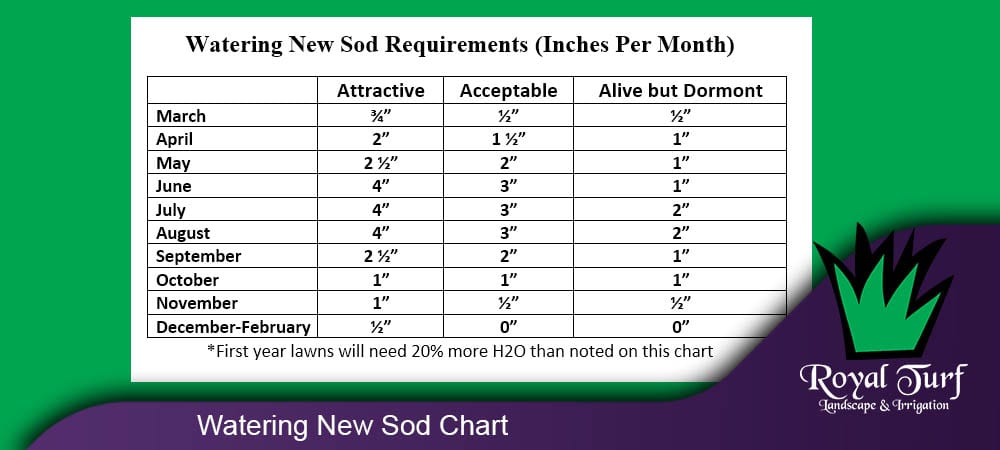
Watering is the lifeblood of new turf, pivotal to ensuring that the fragile roots establish themselves effectively. The immediate period following installation is critical; it can determine whether your sod flourishes or flounders. New turf requires a meticulous watering regimen to survive and thrive.
The Initial Watering Ritual
Upon laying your sod, the first step is to deeply saturate the surface. This aids in mitigating transplant shock. Ensure that the turf is soaked thoroughly, with water penetrating at least 10–12 cm deep into the soil. This initial watering serves as a foundation for the upcoming weeks.
Daily Watering Schedule
For the first two weeks, nurturing your turf daily is imperative. Water it for approximately 15–30 minutes each day, preferably in the early morning or late afternoon to minimise evaporation. After this fortnight, gradually taper down to every two to three days, depending on weather conditions. On particularly hot days, be vigilant; your sod may require more hydration.
Signs of Adequate Hydration
How do you ascertain if your newly laid sod is receiving the appropriate amount of water? A few tell-tale signs include soil that is moist to the touch beneath the top layer and the absence of wilting or discolouration in the grass blades. Additionally, a healthyand established sod will exhibit a robust green hue, indicative of optimal hydration.
2. Feeding Your Turf
Choosing the Right Fertiliser
Opt for a fertiliser that is high in nitrogen, such as a 30-0-4 blend, during the establishment phase. This high nitrogen content promotes vigorous foliage growth. A balanced fertiliser, preferably with slow-release properties, ensures that nutrients are dispensed over an extended period, allowing your turf to absorb them gradually.
The Timing of Application
Typically, fertilisation should occur around 4–6 weeks post-installation. At this juncture, your sod will have begun to root into the soil, and the application of nutrients will support this development. Administrate your fertiliser evenly across the sod for uniform results; using a broadcast spreader can significantly increase efficiency.
Organic Alternatives
For those leaning towards a more ecologically mindful approach, consider organic fertilisers. Compost and well-rotted manure enrich the soil with essential nutrients while enhancing its overall health. They support the microbial ecosystem, promoting sustainable growth over time.
3. The Definitive First Cut
The first cut is both an exhilarating and nerve-wracking experience; it’s a critical milestone in the life of your new turf. Executing this cut properly can mark the transition from establishment to a thriving lawn.
Knowing When to Mow
Timing is vital. Wait until your new turf has established roots, typically about 3–4 weeks after installation. A practical indicator is the grass height; wait until the grass grows to approximately one-third taller than its ideal mowing height. For most grass types, this usually ranges from 7–10.5 cm.
The Mowing Process
Set your mower blade to the highest setting during the first cut. This ensures that you remove only the tips of the grass blades, allowing the roots to remain robust while establishing an even surface. Mow on a dry day to prevent tearing of the grass and to facilitate a clean cut.
Post-Mow Care
After the initial mow, refrain from excessive watering for a couple of days to allow the grass to recover. This helps stimulate growth and ensures that your turf remains healthy. Following this first cut, you can gradually lower your mowing height over the following weeks, fostering a dense, attractive lawn.
4. Additional Care Tips to Keep in Mind
Maintaining a pristine appearance for your new turf also involves a few additional strategies. Regularly de-thatch your lawn, aerating the soil to allow air and nutrients to penetrate the root zone. Also, keep an eye out for pests and disease; early detection is key to preventing larger issues that may jeopardise your lawn’s health.
In conclusion, nurturing new turf requires a commitment to the essentials—water, food, and careful cutting. By embracing these practices, you unlock the potential for a vibrant and healthy lawn that can serve as a beautiful backdrop for years to come. As you pour your energy into nurturing this living canvas, remember that every droplet of water and every grain of fertiliser contribute to a blossoming paradise right outside your door.






Leave a Comment