Short Answer
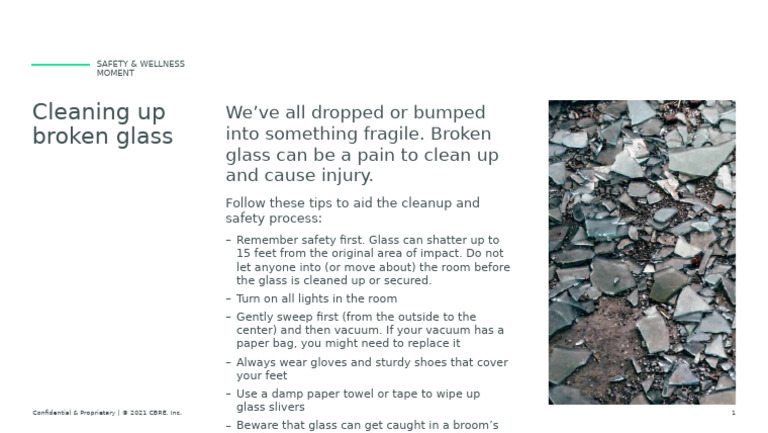
Broken glass is an unfortunate yet common occurrence in many households and public spaces. Whether it results from a shattered window, a dropped drinking glass, or even remnants of a car accident, dealing with broken glass requires careful handling to prevent injury and hazard. This guide will explore the appropriate steps to ensure its safe and legal disposal, while addressing the deeper implications of our relationship with fragile materials.
The first step in dealing with broken glass is understanding the inherent risks associated with shattered shards. Glass pieces can be surprisingly sharp, posing a significant threat to skin and feet. The fascination with glass and its fragility often belies the danger it can represent. The transparency and beauty of glass may captivate our curiosity, leading us to ignore the potential hazards it poses when broken. Thus, it is essential to treat glass fragments with respect and caution.
When faced with broken glass, the immediate response should involve safeguarding yourself and others. The first thing to do is to ensure that no one is at risk of injury. This may mean cordoning off the area or notifying anyone nearby of the potential danger. The psychological inclination to explore can be powerful; however, it is crucial to suppress this impulse in favour of practicality.
Once safety measures are in place, the collection of broken glass can begin. Start by donning a pair of sturdy gloves. This is not just for the sake of comfort; it is a protective measure that greatly reduces the risk of cuts. Heavy-duty gloves are preferable, as they provide a robust barrier against sharp edges. While standard disposable gloves may offer some protection, they are often inadequate against jagged glass.
Next, gather the necessary tools for effective clean-up. A dustpan and brush or a broom can be invaluable in sweeping up larger pieces. For smaller shards, however, additional tactics should be employed. Consider using a damp paper towel to capture tiny glass splinters that may have escaped attention. The moisture will adhere to the glass and assist in gathering these minute particles. This method not only ensures a more comprehensive clean-up but also reduces the likelihood of missed shards that could cause injury later.
Another innovative approach involves utilising a piece of bread. The soft, spongy texture provides an excellent method for picking up those elusive shards that tend to scatter. The bread can be pressed gently against the area, picking up shards that are difficult to see. This unusual yet effective technique underscores our fascination with everyday objects; it also exemplifies the ingenious ways in which we can solve practical problems.
After collecting the glass, the next consideration is disposal. Broken glass is not a conventional waste item and requires specific handling. Many local councils have designated protocols for glass disposal. It is crucial to check local waste management guidelines, as they can differ significantly from one area to another. Placing broken glass in regular rubbish bags can lead to hazards for waste workers, so opting for a reinforced thick bag is necessary. The bag should be clearly marked as containing glass, ensuring that anyone handling it is adequately warned of its contents.
In scenarios involving large pieces of glass, such as those from broken windows or large glass furniture, professional assistance may be warranted. Dialling a waste disposal service that specialises in hazardous materials can alleviate concerns about safety and compliance with local laws. Engaging experts guarantees not only proper removal but also adherence to environmental regulations.
Furthermore, it’s fundamental to consider the environmental implications of glass disposal. Glass is a recyclable material, and rather than sending it to a landfill, one may find local recycling facilities that accept broken glass. Recycling glass conserves natural resources and minimizes the energy expended in producing new glass items. Thus, taking the initiative not only promotes legality but also reflects an awareness of our broader responsibility to the environment.
In the aftermath of a glass breakage incident, reflections often turn to why we are so drawn to materials that can harm us. The allure of glass lies in its aesthetic properties—clarity, colour, and intricacy. This might explain our tendency to engage deeply with objects that shimmer and shine, despite their fragility. It beckons audiences to contemplate the delicate balance between beauty and danger, a juxtaposition that has fascinated artists, designers, and scientists alike for centuries.
Finally, to preempt future breakages, consider implementing preventative measures. Investing in tempered glass or shatterproof alternatives can significantly reduce the risk of accidents. Additionally, being mindful of where glass items are placed and used may encourage a safer environment. Adopting a consciousness about the materials that populate our lives fosters an atmosphere where beauty can coexist with safety.
In conclusion, addressing the issue of broken glass involves far more than merely cleaning up shards. It requires a multi-faceted approach that promotes safety, legality, and environmental consciousness. As we navigate our interactions with fragile materials, we find ourselves at the crossroads of fascination and caution. This delicate balance is what makes having glass in our lives both enchanting and challenging.
FAQ
What should I do first when I encounter broken glass?
Ensure safety by cordoning off the area and notifying others of the potential danger.
How can I safely collect small glass shards?
Use a damp paper towel or a piece of bread to pick up tiny splinters effectively.
What are the disposal guidelines for broken glass?
Check local waste management guidelines and use a reinforced bag clearly marked as containing glass.
Is broken glass recyclable?
Yes, many local recycling facilities accept broken glass, which helps conserve resources.


Leave a Reply