Short Answer
If you’ve ever noticed a surge of ants marching valiantly across your lawn, you might be wondering how to reclaim your outdoor space from these industrious insects. Ants can be more than just a nuisance; some species can damage your garden and disrupt the local ecosystem. However, there is no need for despair, as there are numerous safe and effective methods to control and eliminate ants from your lawn. This comprehensive guide will explore the various techniques to rid your lawn of these tenacious invaders while preserving the environment.
Understanding Ant Behaviour
Before embarking on your battle against ants, it is crucial to comprehend their behaviour and habitats. Ants are social insects that live in colonies, typically found underground or within rotting wood. They are most active during warm weather, where they establish trails to forage for food. Different types of ants, such as fire ants and carpenter ants, may require specific approaches for effective removal. Identifying the species present on your property can significantly affect your eradication strategy.
1. The Natural Approach: Promoting Predators
An environmentally friendly way to manage ant populations is by encouraging their natural predators. Birds, certain species of beetles, and even some types of parasitic wasps naturally control ant numbers. Installing birdhouses or providing safe habitats for these predators can bolster their presence in your garden, thus allowing nature to restore balance. This method not only curtails ant populations but also enhances the biodiversity of your lawn.
2. Diatomaceous Earth: A Natural Deterrent
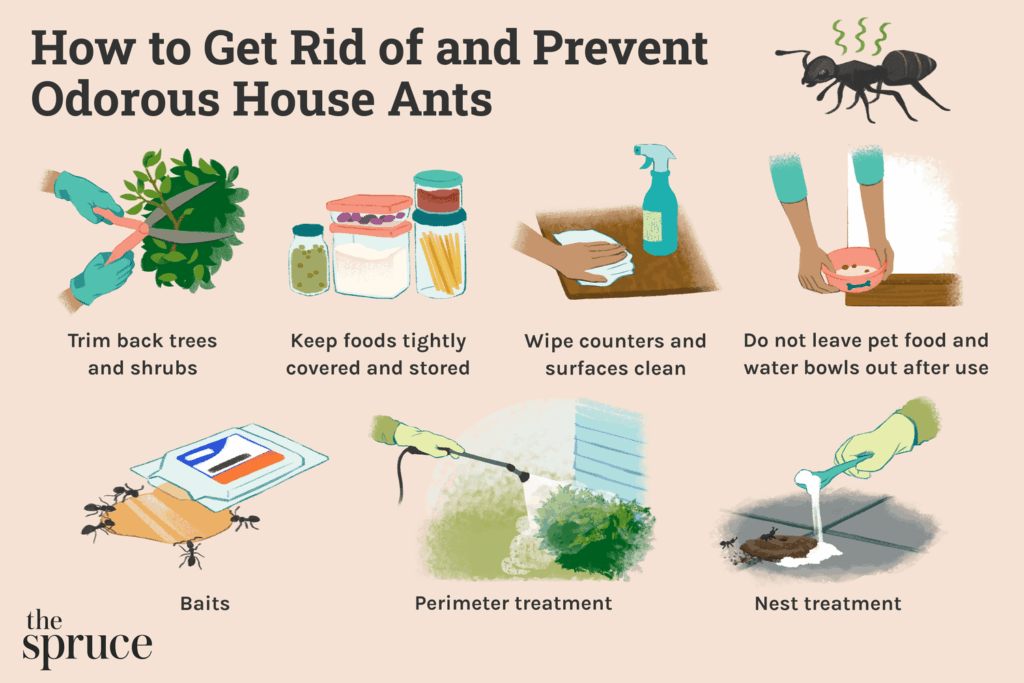
Diatomaceous earth (DE) is a pale, powdery substance composed of fossilised aquatic organisms, specifically diatoms. When sprinkled along ant trails or around the perimeters of your lawn, this powder acts as a desiccant, absorbing moisture from the ants’ exoskeletons and leading to dehydration. This non-toxic method is safe for pets and plants, making it an ideal choice for those wary of chemicals.
3. Vinegar Solutions: A Simple Household Remedy
Vinegar is a common household item that provides an effective yet gentle solution to ant invasions. By mixing equal parts vinegar and water in a spray bottle, you can create a potent natural repellent. Spraying this solution directly onto ant trails disrupts their pheromone communication, effectively disbanding their trail and sending them scurrying away. The pungent scent of vinegar is also a powerful deterrent that ants do not favour.
4. Essential Oils: Aromatic Barriers
For a more fragrant approach, essential oils can be used to create a formidable barrier for ants. Oils such as peppermint, tea tree, and citrus are particularly effective; when diluted and sprayed on affected areas, they create an insurmountable odour that ants avoid. Furthermore, the uplifting aroma can add a refreshing scent to your garden, ensuring that your outdoor space remains both pleasant and ant-free.
5. Baiting Techniques: Trapping the Colony
If you face a significant ant issue, baiting can be an effective strategy. Ant baits contain a combination of food and a slow-acting insecticide that the foraging ants carry back to their colony. This method allows for colony elimination; however, it is important to use bait with minimal toxicity to non-target organisms. Place bait stations near ant trails, and ensure they remain undisturbed to maximise their effectiveness.
6. Physical Barriers: Thwarting Access
In some cases, establishing physical barriers may provide an immediate solution to thwart ant entry into specific areas. Creating a barrier of gravel or sand around vulnerable plants can deter ants from climbing over into disturbed zones. If necessary, consider using copper tape—a natural repellent that can be placed around garden beds. These preventive measures can significantly reduce your chances of an ant invasion.
7. Environmental Maintenance: Tending to Your Lawn
An often-overlooked aspect of ant control is maintaining your lawn’s overall health. Regular mowing, weeding, and aerating can discourage ants from establishing colonies in your green space. Furthermore, reducing excess moisture by ensuring proper drainage prevents ants from being attracted to damp soil. By addressing these environmental factors, you can create an inhospitable habitat for ants.
8. Chemical Interventions: If Absolutely Necessary
When all else fails, synthetic chemical pesticides can be employed as a last resort. However, it’s vital to opt for targeted products that specifically address the ant species in question and are safe for other wildlife. Always read and adhere to the manufacturer’s instructions, and consider consulting with a pest control professional to avoid unintended harm to the environment.
Conclusion: Safeguarding Your Lawn
Ultimately, successfully managing ant populations in your lawn requires a multifaceted approach. Employing a combination of natural methods, preventative measures, and, if necessary, strategic chemical applications will help you achieve a serene outdoor oasis free from ant infestations. By remaining vigilant and adopting eco-friendly practices, you can preserve not only the health of your lawn but also the delicate balance of local ecosystems. Embrace these techniques, and watch as your outdoor space transforms into a haven, where ants are no longer a concern.
FAQ
What are some natural methods to get rid of ants in my lawn?
Natural methods include promoting predators, using diatomaceous earth, vinegar solutions, and essential oils.
Are chemical pesticides safe for my lawn?
Chemical pesticides can be effective but should only be used as a last resort and chosen carefully to minimize harm to other wildlife.



Leave a Reply