Short Answer
Getting braces can be a transformative experience, promising a radiant smile and improved oral health. However, the journey to that perfect alignment often comes with its own set of challenges, one of the most common being discomfort or pain following adjustments. Understanding how to alleviate this pain can make a significant difference in the braces-wearing experience. Here’s an extensive guide on effective strategies to ease braces pain, approved by dental professionals.
1. Understanding Braces Pain: The Fundamentals
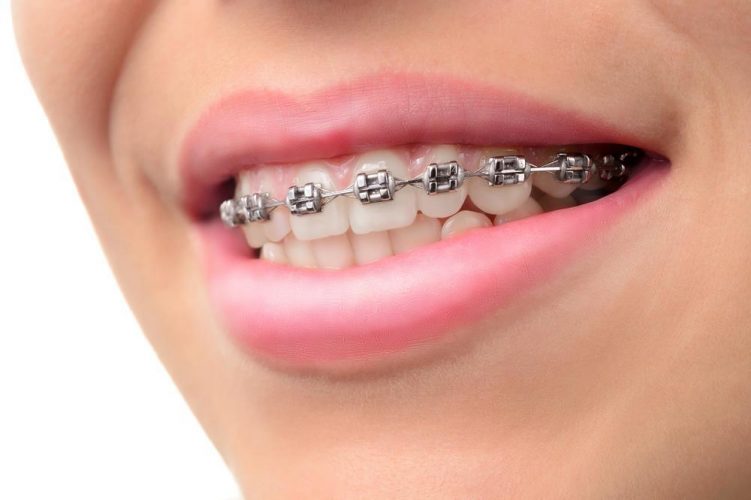
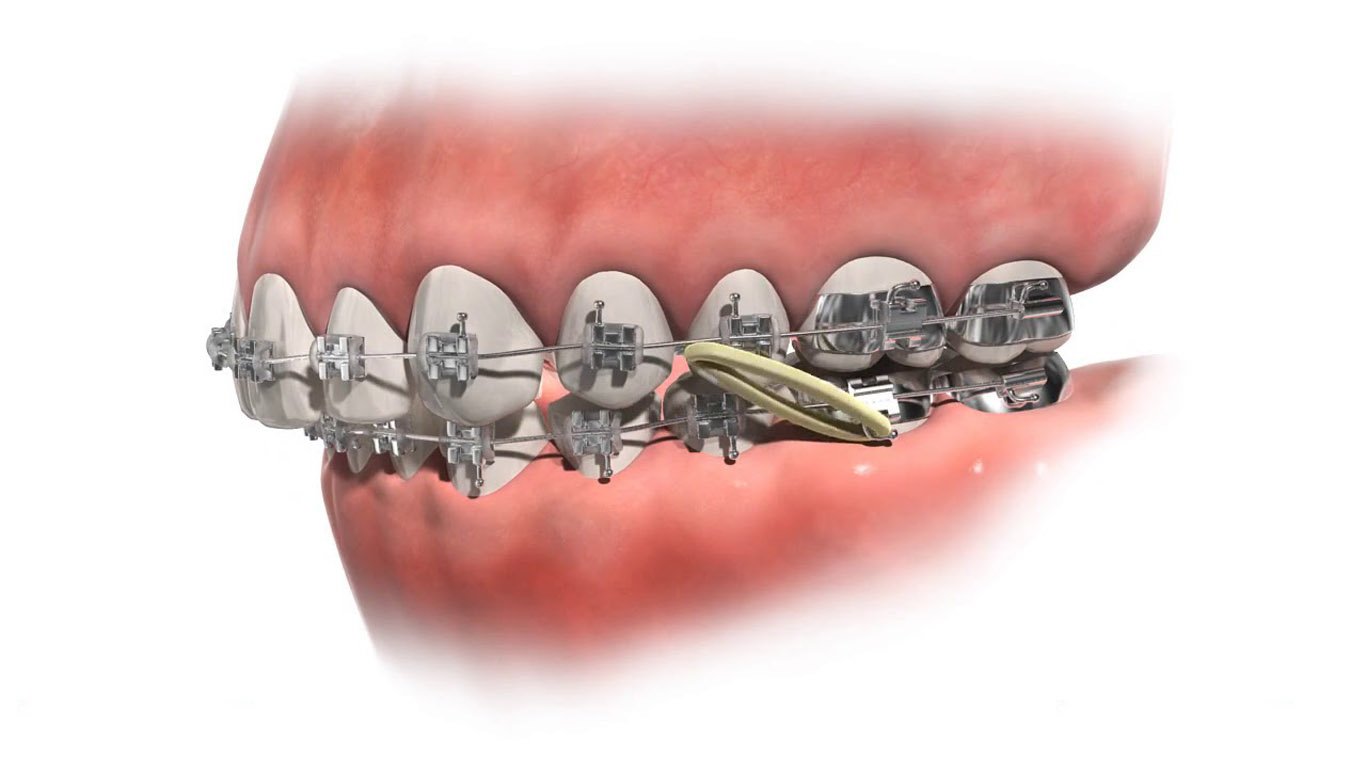
Braces work by exerting pressure on the teeth to gradually shift them into their desired positions. This process, known as orthodontic tooth movement, can lead to soreness, especially after initial placement or adjustments. The sensation is a natural response to the force applied and may linger for a few days. Recognising this discomfort as a part of the journey can help to cultivate a sense of patience and resilience.
2. The Role of Over-the-Counter Pain Relief
Utilising over-the-counter pain relievers can significantly alleviate discomfort. NSAIDs, such as ibuprofen or paracetamol, are commonly recommended. These medications possess anti-inflammatory properties, which can enhance comfort levels during the adjustment phase. Always adhere to the advised dosage and consult with your dentist if you’re unsure.
3. Cold Compress and Its Efficacy
A cold compress can be your best friend when managing pain from braces. Applying a cold pack to the outside of your cheeks can constrict blood vessels, reducing swelling and numbing the area. Aim for about 15 to 20 minutes of application, interspersed with intervals to avoid skin irritation. This simple remedy is an effective, drug-free way to find relief.
4. Soft Food Alternatives
Adjusting your diet temporarily can make a world of difference. Consuming soft foods can prevent exacerbation of soreness during the early days of brace adjustments. Options like mashed potatoes, yoghurts, smoothies, and soups are gentle on the teeth. Avoiding hard, chewy, or sticky foods will also help in reducing further irritation.
5. Oral Hygiene Essentials
Maintaining impeccable oral hygiene is crucial while wearing braces. Food particles can easily become lodged, leading to inflammation and increased discomfort. A soft-bristled toothbrush paired with fluoride toothpaste can clean around braces without causing additional pain. Don’t forget to incorporate an antimicrobial mouthwash to combat bacteria, which could amplify sensitivity.
6. Orthodontic Wax: A Protective Barrier
Orthodontic wax is an often-overlooked resource for comfort. When brackets or wires cause irritation to the inner cheeks or gums, a small amount of wax can offer immediate relief. By simply applying the wax directly to the offending areas, you can create a barrier that eases friction and prevents soreness.
7. Heat Therapy: A Soothing Alternative
While cold therapy helps with initial swelling, applying heat may offer relief from persistent discomfort. Using a warm compress on your cheeks can enhance blood flow, which may alleviate muscle tension and soreness. Just as with cold therapy, limit the application to manageable intervals, ensuring comfort.
8. Distraction Techniques
The psychological aspect of pain management should not be underestimated. Engaging in activities that divert your attention away from discomfort—be it watching a film, reading a book, or enjoying a craft—can provide a welcome distraction. This approach can make the waiting game during adjustment periods feel more bearable.
9. Hydration: The Unsung Hero
Staying adequately hydrated is another critical yet often ignored factor in managing braces pain. Water helps in maintaining saliva production, which can soothe oral discomfort. When dealing with soreness, sip on fluids regularly. Nonetheless, prefer non-acidic beverages to prevent any further irritation to sore gums.
10. Regular Dental Visits: Your Safety Net
Frequent visits to your orthodontist are essential during the course of your treatment. These appointments not only provide necessary adjustments but also allow for professional oversight regarding your comfort levels. If pain becomes excessive or unbearable, communicate openly with your orthodontist. They may need to modify your treatment plan to enhance your comfort.
11. Emotional Support: Sharing Your Experience
Finally, acknowledging the emotional aspect of wearing braces is paramount. Connecting with friends or family members who have experienced similar challenges can provide comforting camaraderie. Sharing your discomfort can unload the psychological burden, fostering a supportive environment that makes the experience more manageable.
In conclusion, managing braces pain does not have to be a solitary struggle. With the right techniques and a proactive mindset, one can significantly reduce discomfort. Remember that this journey, albeit challenging, is a stepping stone towards a healthy and beautiful smile. Embrace these strategies to ease your braces pain; after all, the effort you invest today will yield bounteous rewards tomorrow.
FAQ
What are common causes of pain when wearing braces?
Pain from braces is often due to the pressure applied to teeth during adjustments, which can lead to soreness and discomfort.
How long does pain from braces typically last?
Discomfort from braces usually lasts a few days after adjustments, but can vary from person to person.
What types of foods should I avoid while wearing braces?
It’s best to avoid hard, chewy, or sticky foods that can aggravate soreness or damage the braces.




Leave a Reply