
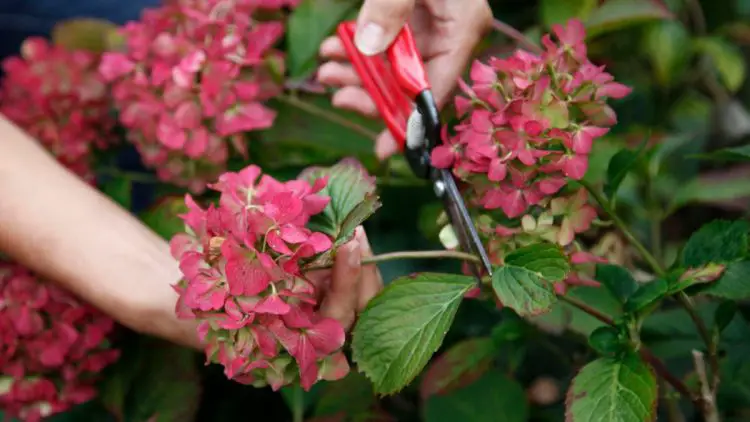
Hydrangea flowers are not merely an ephemeral pleasure of summer; they represent a rich tapestry of emotional significance, embellishing gardens and interiors alike. Their vibrant colours and plush blooms captivate gardeners and flower enthusiasts, rendering them a perennial favourite. But what if you could preserve their beauty well beyond the fleeting warmth of summer? The art of drying hydrangeas is a time-honoured tradition that bestows resilience upon these botanical wonders, allowing us to enjoy their splendour long after the seasons have changed. Herein lies an exploration of the finest methods for preserving hydrangea flowers, transforming them into lasting mementos of nature’s artistry.
Before delving into the various techniques, it is pivotal to understand the structure of hydrangea blooms. The flora exhibits large clusters of tiny florets, enveloped in velvety petals, making them particularly susceptible to wilting. This propensity necessitates careful handling and thoughtful selection of the drying method. Each method presents its unique benefits, yielding distinct textures and hues, prompting individuals to choose according to their aesthetic preference.
1. Air Drying: The Classic Method
Air drying is perhaps the most conventional technique in the realm of flower preservation. This method requires minimal equipment and allows the flowers to dry naturally, retaining their innate beauty. To begin, select healthy, mature blooms that are just beginning to fade, for this ensures they will not be overly brittle upon drying. Remove any excess foliage to prevent rot and facilitate airflow around the blossoms.
Next, bunch several stems together—typically, three to five is an optimal number—and secure them with rubber bands or string just above the blooms. Hang these bundles upside down in a cool, dark, and dry space, as direct sunlight can bleach the colours and hinder the drying process. The waiting period can range from several days to two weeks, depending on the humidity levels in your environment. Once dried, carefully peel away the rubber bands and use the flowers in bouquets, wreaths, or even decorative arrangements.
2. Silica Gel: For Clarity and Structure
For those seeking to maintain the original form and vivid colour of hydrangea flowers, drying with silica gel is a preferable option. This desiccant absorbs moisture more efficiently than air, providing a clear and structured result. To commence, procure an ample supply of silica gel, which can be found in craft stores or online. Choose a container that is deep enough to submerge the flowers fully, ensuring the stems and blooms receive equal attention.
Place a layer of silica gel in the bottom of the container and gently position the hydrangea flowers face up. Carefully add more gel around the flowers, fully encasing them. Seal the container and allow the flowers to dry for several days. This method preserves not just the colour but the delicate texture of the petals, enabling the hydrangeas to emanate their original lushness, making them ideal for sophisticated arrangements.
3. Pressing: For Flat Elegance
Pressing hydrangeas grants a completely different artistic approach, transforming vibrant blooms into flat, delicate keepsakes. This method is particularly beneficial for those who wish to incorporate flowers into scrapbooks, framed art, or greeting cards. Begin by selecting stems with blooms that are in good condition. Take the stems and remove excess foliage, then gently place the flowers between sheets of blotting paper or newsprint.
Once the flowers are positioned, weigh them down with heavy books or specific pressing weights. The moisture will gradually evaporate, leaving behind beautiful, two-dimensional floral specimens. Changing the blotting paper every few days can enhance the drying process. Depending on the moisture content and the thickness of the blooms, this might take anywhere from a few weeks to several months for complete preservation. The result will be hauntingly beautiful hydrangeas, perfect for artistic expression.
4. Microwave Drying: Quick and Convenient
In our fast-paced world, the microwave presents a rapid solution for preserving hydrangeas. This method is ideal for those who may not have the luxury of time yet wish to retain the flowers’ vibrant colours. To utilise this technique, place a few hydrangea blossoms between two plates of silica gel and microwave them at low power in short bursts, monitoring closely to avoid overheating, which can lead to crumbling petals.
Start with 30-second intervals and assess the situation; repeat until the desired dryness is achieved. This method can yield excellent results in under ten minutes, providing a quick fix for home decorators and gift makers. It’s a two-edged sword, however, as the pressures involved can also lead to less-soothing textures.
Conclusion
In embracing the myriad of techniques to dry hydrangea flowers, one engages in an age-old practice that entwines emotion, nostalgia, and creativity. Each method paves the way for appreciation of not just the blossoms themselves, but the memories they carry—moments of tranquillity spent in lush gardens or the warmth of sun-drenched afternoons.
Ultimately, the choice of preservation method may reflect personal aesthetics, stemming from a desire to maintain colours and structures in their natural forms or to create an artful homage through pressing. No matter the path chosen, the outcome remains a stunning testament to the beauty of hydrangeas, showcasing their elegance for many seasons to come.







Leave a Comment