
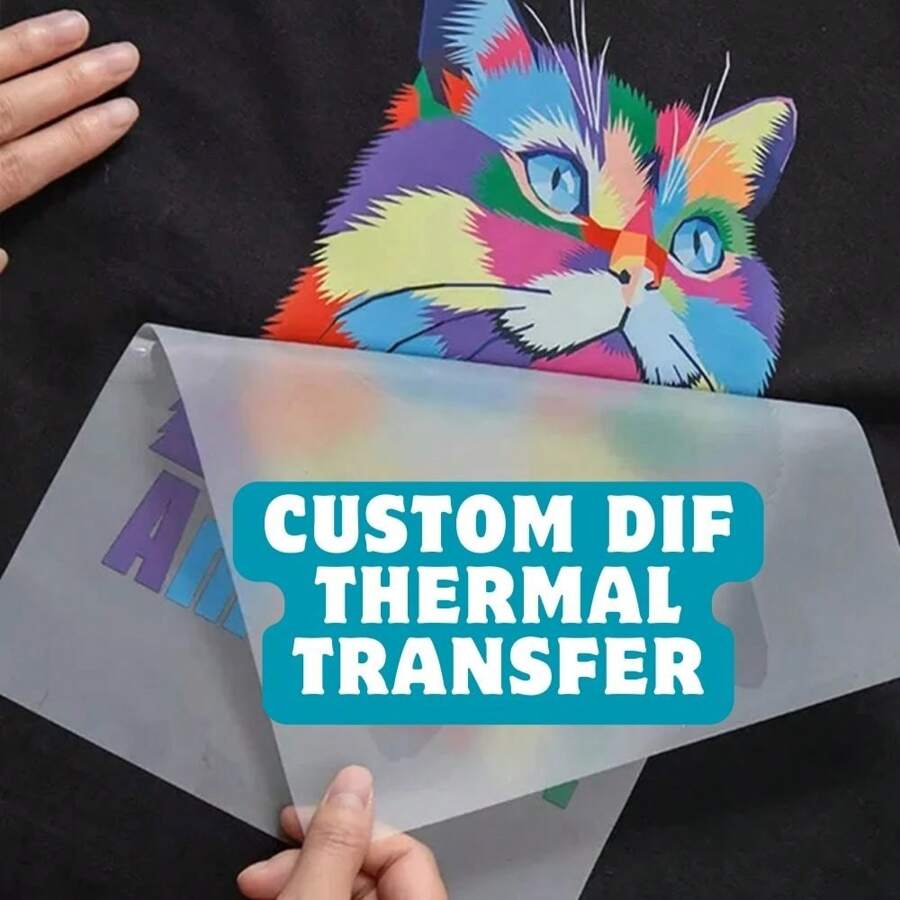
In an age where individuality reigns supreme, the desire to personalise clothing has surged immensely. Custom iron-on transfers have become a go-to method for many looking to add a unique flair to their garments. The process combines creativity with practicality, allowing enthusiasts to express their identities through design. In this guide, we shall delve into the intricacies of DIY printing and application of iron-on transfers, exploring how to navigate this artistic journey.
Understanding Iron-On Transfers
Before embarking on your customisation journey, it’s crucial to comprehend the essence of iron-on transfers. These decorative elements are printed images or patterns which can be applied to fabric using heat. The process fuses the design onto materials, creating a durable fusion, as the heat activates an adhesive backing. This transformative technique is not solely about aesthetics; it invites a sense of ownership and creativity that resonates deeply with many.
Supplies You Will Need
As with any DIY project, preparation is paramount. Gather the following materials:
- Iron-On Transfer Paper: Choose the appropriate type based on your fabric. There are specific papers for dark and light materials.
- Printer: A standard inkjet or laser printer is typically sufficient, yet ensure compatibility with your transfer paper.
- Design Software: Utilise programs like Adobe Illustrator, Canva, or even Microsoft Word to create or modify your designs.
- Iron: A household iron will suffice, but ensure it can reach high temperatures. Alternatively, a heat press machine may offer more consistent results.
- Fabric Item: This could be a T-shirt, bag, or any piece of clothing you wish to embellish.
- Scissors: For trimming around your design once printed.
- Cutting Mat: Useful for protecting surfaces while trimming the transfers.
Step-by-Step Guide to Creating Your Transfer
With the materials at your disposal, you’re ready to start creating your custom design. Here’s a step-by-step breakdown of the process:
- Design Your Artwork: Leverage your chosen software to create or modify an existing design. Remember to consider the scale; a larger design can have a more significant impact, but intricate details might be lost if scaled down too much.
- Mirror Your Image: If you’re using transfer paper, remember to flip your design horizontally before printing. This ensures that when applied, your artwork appears correctly on the fabric.
- Print the Design: Use high-quality settings on your printer to ensure vibrant colours and crisp lines. Allow the print to dry completely once done.
- Cut Out the Design: Carefully trim around your artwork. For complex designs, a craft knife may be beneficial for precision. Avoid leaving excessive white space unless your design necessitates it.
- Prepare the Fabric: Pre-wash the fabric to eliminate any residues that might impede adhesion. Iron the fabric briefly to remove wrinkles, providing a smooth application surface.
- Position the Transfer: Lay the printed transfer on the desired area of your fabric, ensuring it is straight and centred. Consider using a ruler for accuracy.
- Ironing Time: Place a thin cloth over the transfer and apply the iron firmly. Move the iron in circular motions, applying pressure for 20-30 seconds. Make sure to check your transfer paper’s instructions for specific temperature settings.
- Peel Carefully: Allow the transfer to cool for a few moments before peeling away the backing. Be cautious—if any part of the design hasn’t adhered, put the backing back on and reapply heat.
Finishing Touches and Care Instructions
Once your transfer is affixed, it’s essential to give your creation the longevity it deserves. Allow it to cure for at least 24 hours before washing. When it’s time for a clean, turn the garment inside out and wash it in cold water to preserve the integrity of the design. Avoid using bleach and opt for gentle cycles to retain both the fabric and the transfer. When drying, air drying is ideal, as high heat from tumble dryers can lead to peeling.
Tips for Successful Application
While the process may seem straightforward, a few nuggets of wisdom can enhance your experience:
- Test Your Equipment: Before commencing, do a test print on a regular sheet to ensure your colours and designs portray as expected.
- Keep Pressing: If using a standard iron, some areas may require more pressure or time. Don’t hesitate to go over stubborn spots gently.
- Experiment with Textures: Different fabrics will yield different vibes. Experiment with cotton, denim, or blends to discover which resonates with your style.
The Allure of Iron-On Transfers
The fascination with custom iron-on transfers transcends mere aesthetics; it taps into the human longing for self-expression and uniqueness. The thrill of conceiving an entirely new design and seeing it materialise onto fabric is remarkably satisfying, fostering a profound connection between creator and canvas. This DIY endeavour allows individuals to narrate their stories through visual mediums—ideal for commemorating special moments, showcasing artistic abilities, or fashioning gifts that resonate with personal significance.
Ultimately, the appeal of DIY iron-on transfers lies in the craftsmanship and the stories behind each creation. Each iron-on masterpiece is not just a transfer but a testament to personal evolution, fashion ingenuity, and a celebration of individuality.






Leave a Comment