
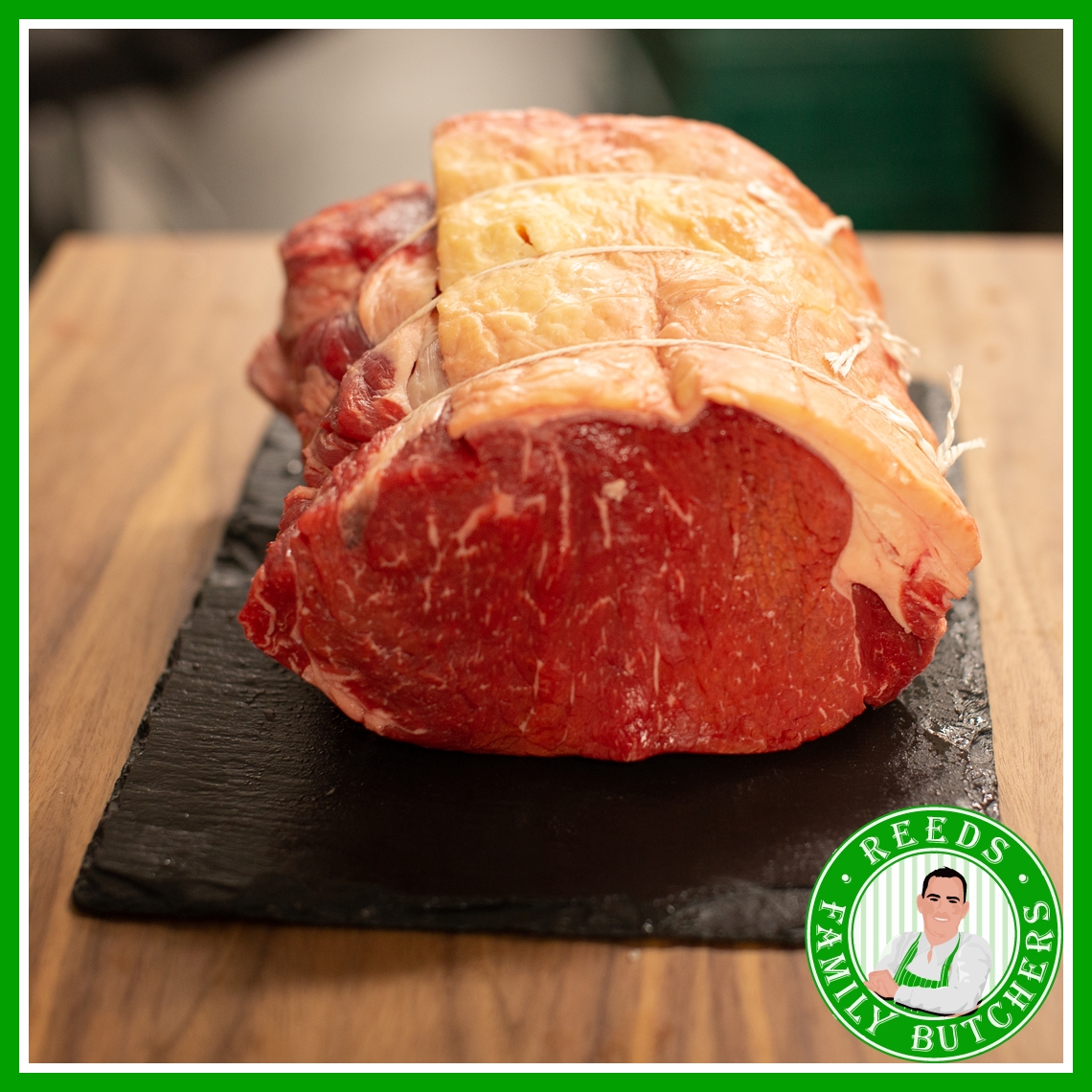
Cooking a sirloin joint is an art that can transform an ordinary meal into a sumptuous feast. With its rich marbling and robust flavour, the sirloin joint is a magnificent cut of beef that, when prepared correctly, promises to yield tender and delectable results. In this guide, you will discover everything you need to know about cooking a sirloin joint, including precise roasting times, essential tips, and culinary secrets that will elevate your dining experience.
Before delving into the actual cooking process, it is vital to understand the sirloin joint itself. This cut is harvested from the back of the cow, situated towards the rear, and boasts a delightful balance of tenderness and flavour. Known for its versatility, the sirloin is perfect for roasting, grilling, or even slow cooking. However, roasting remains the preferred method for bringing out its full potential, creating a beautifully browned exterior while maintaining a juicy interior.
Choosing Your Sirloin Joint
When it comes to selecting the perfect sirloin joint, quality is paramount. Look for a cut with a generous amount of marbling, as this fat will render during cooking, resulting in succulent meat. Ideally, you should opt for dry-aged beef, which heightens the flavour profile through a carefully controlled ageing process that allows the meat to develop a complexity that is nothing short of divine. If you can source grass-fed beef, your joint will benefit from a rich, nutty flavour that enhances the overall dining experience.
Preparation: The Key to Success
Once you’ve procured your sirloin joint, the next step is preparation. Begin by allowing the joint to come to room temperature, setting it aside for approximately one hour. This practice facilitates even cooking, helping to achieve that coveted tender texture. While the meat is warming, take a moment to create a seasoning blend that will elevate your roast. A simple combination of sea salt, freshly cracked black pepper, and a touch of garlic powder can work wonders. For a more nuanced flavour, consider incorporating fresh herbs such as rosemary or thyme. Rubbing these seasonings liberally over the entire surface of the joint will not only enhance the flavour but also add a beautiful crust during roasting.
Roasting Unveiled: Optimal Techniques
Now that your joint is seasoned and at room temperature, it’s time to preheat the oven. A hot oven—typically set at around 220°C (428°F) for the initial phase—cooks the meat faster while creating a caramelised outer layer. After about 20 minutes, lower the temperature to approximately 180°C (356°F) for the remainder of the cooking time. This method, often referred to as the ‘two-stage cooking process,’ ensures the best of both worlds: a crispy exterior and a tender interior.
Cooking Times: The Golden Rule
Determining the correct cooking time for your sirloin joint is crucial. For a medium-rare finish, aim for approximately 20 minutes per kilogram plus an additional 20 minutes. For example, if you have a joint that weighs 2 kg, roast it for about 60 minutes in total. Always invest in a meat thermometer to ensure accuracy; the internal temperature should read around 55-57°C (131-135°F) for medium-rare. For those who prefer medium, an internal temperature of 60-65°C (140-149°F) is advisable, while well-done lovers should aim for a temperature of 70°C (158°F) or above.
Resting: An Often Overlooked Step
Once your sirloin joint has reached perfection, resist the urge to carve it immediately. Allowing the meat to rest for at least 15-20 minutes is essential as it enables the juices to redistribute throughout, resulting in a much more succulent bite. Cover the joint loosely with foil during this resting period to keep it warm without trapping steam, which can create unwanted moisture.
Carving with Precision
After the resting period, it’s time to carve your masterpiece. Begin by slicing against the grain. This technique shortens the muscle fibres, yielding a more tender bite. Aim for even slices, roughly 1-2 cm in thickness, which can be easily served with sides or incorporated into a delicious sandwich. Don’t forget to drizzle your slices with any pan juices or gravy for an added depth of flavour.
Serving Suggestions: Side Dish Pairings
Pairing your roasted sirloin joint with the right accompaniments can elevate the dining experience. Traditional pairings include Yorkshire pudding, creamy mashed potatoes, or roasted seasonal vegetables. For a modern twist, consider serving your sirloin with a zesty chimichurri sauce or a rich red wine reduction that can awaken the palate and uplift the flavour profile of the dish.
A Culinary Adventure Awaits
Cooking a sirloin joint is more than just a meal; it’s a culinary adventure that offers endless possibilities. With the right techniques and a careful approach, you can unlock the full potential of this exquisite cut of meat. Embrace the experience, refine your skills, and soon you will be the proud chef showcasing tender, juicy, and flavourful sirloin joints that will leave your guests marveling at your newfound prowess in the kitchen.






Leave a Comment