Short Answer
Maintaining oral hygiene is crucial for overall health, yet it is often overlooked, particularly when it comes to caring for dental appliances like mouth splints. For those who wear these devices—often prescribed for conditions such as bruxism or to correct sleep apnea—understanding how to properly clean and maintain them is essential not only for the longevity of the splint but also for one’s oral health. This guide delves into straightforward yet effective methods to care for your mouth splint, ensuring it remains a beneficial ally in your journey towards better dental health.
First and foremost, daily care begins as you rise from slumber. Immediately after removal, rinse your mouth splint under lukewarm water. This initial cleanse helps to dislodge any saliva or food particles accumulated overnight. Avoid hot water, as it can warp the material, rendering the splint less effective. Once rinsed, take a moment to inspect the device, looking for any signs of wear, cracks, or discolouration. Early detection of these issues can prevent bigger problems down the line.
The next step in your morning routine should involve a more thorough cleansing process. Utilising a soft-bristled toothbrush is pivotal; it ensures that the delicate material of the mouth splint remains intact without scratches or abrasions. A non-abrasive toothpaste or a gentle denture cleaner is recommended for this task. Apply a small amount to your toothbrush and gently scrub the surfaces of the splint. Pay extra attention to any grooves or contours, as these areas can harbour plaque and bacteria if not properly cleaned.
Following this, rinse the splint once again under lukewarm water to remove any remnants of toothpaste. The goal here is to leave no trace of cleaning agents that might irritate your gums or mouth. Inspect the splint visually—taking a close-up look can sometimes reveal unseen debris that a basic rinse might miss. If present, use a gentle dental pick or a soft brush to dislodge it.
In addition to your morning routine, consider integrating a night-time cleaning ritual. Just as bacteria proliferate during your sleep, overnight, your mouth splint is susceptible to the same issues. Before bed, repeat the rinsing and brushing process. Establishing this habit will not only ensure your splint remains clean but also contribute to enhanced oral hygiene over time.
Once a week, you might wish to implement a more intensive cleansing regimen. This would involve soaking your mouth splint in a solution designed for dental appliances, which can be purchased at most pharmacies or dental offices. Follow the manufacturer’s instructions for diluting and soaking times; generally, 15-30 minutes is ample. This treatment not only eradicates stubborn stains and bacteria but also refreshes the splint, making it feel rejuvenated.
While the above cleaning practices ensure your splint is hygienic, one must also be cautious about its storage. When not in use, your mouth splint should be placed in a protective container. This container should be kept in a cool, dry place—temperature fluctuations can affect the integrity of the material. Additionally, ensure that the container is cleaned regularly to avoid cross-contamination from dust or other contaminants.
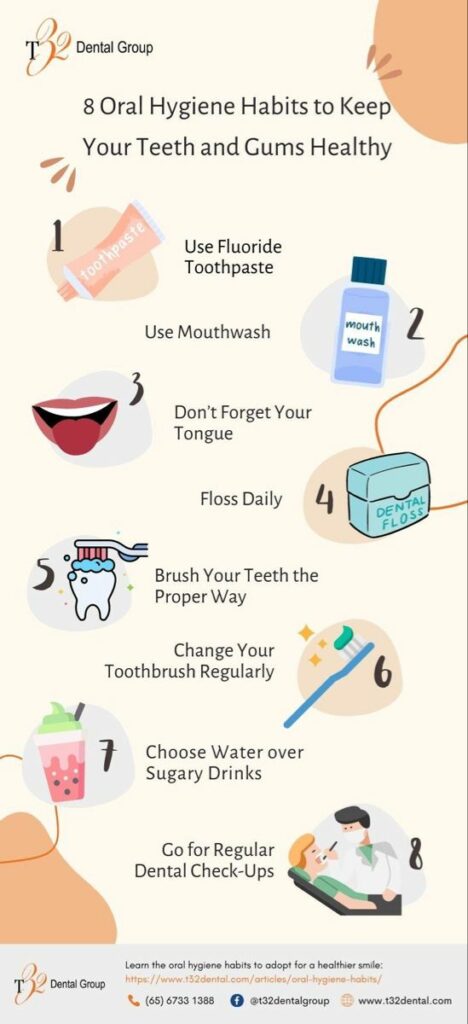
Beyond just the splint itself, maintaining a healthy oral environment is equally crucial. Regular dental check-ups cannot be overstated. Visits to your dentist every six months will allow for professional cleaning and an assessment of not only your mouth splint but also your overall oral health. If you notice any discomfort while using the splint, it’s imperative to consult your dental professional promptly. Proper adjustments can ensure your splint continues to do its job effectively without causing further complications.
Hydration plays a vital role in oral hygiene as well. Drinking sufficient amounts of water throughout the day helps wash away food particles and bacteria. When it comes to wearing a mouth splint, it’s essential to stay hydrated, as a dry mouth can lead to increased plaque build-up and bad breath. Incorporating hydrating foods such as fruits and vegetables can further aid in this regard, ensuring your mouth remains healthy and balanced.
Another aspect to consider is the type of toothpaste you choose. Many conventional toothpaste brands contain abrasive ingredients that might not be appropriate for those with dental appliances. Opt for a non-abrasive, fluoride toothpaste specifically formulated for sensitive teeth or mouth appliances. This small change can lead to significant benefits in the long run, preserving the quality of your splint while ensuring your oral tissues remain healthy.
Finally, it’s crucial to be aware of your splint’s lifespan. Most mouth splints are designed to last several months, but usage and care can greatly impact longevity. If you start to notice a decline in the splint’s effectiveness—be it through wear or changes in fit—consult your dentist about potential replacements or adjustments. A well-fitting mouth splint not only maximises its potential benefits but also minimises the risk of complications arising from poor appliance usage.
In conclusion, the endeavour of cleaning and maintaining your mouth splint is not merely a task but a commitment to your oral health and overall well-being. Understanding and implementing these simple yet essential cleaning practices elevates your perspective on oral hygiene, transforming it from a mundane chore into an empowering habit. By harnessing these preventive measures, you promise not just to extend the life of your mouth splint, but to enhance your health and quality of life—one clean splint at a time.
FAQ
How often should I clean my mouth splint?
You should rinse your mouth splint daily after removal, brush it twice a day with a soft-bristled toothbrush and non-abrasive toothpaste, and soak it weekly in a dental appliance cleaning solution.
Can I use hot water to clean my mouth splint?
No, hot water can warp your mouth splint, reducing its effectiveness. Always use lukewarm or cool water.
What type of toothpaste is best for cleaning a mouth splint?
Use a non-abrasive, fluoride toothpaste formulated for sensitive teeth or dental appliances to avoid damaging the splint.
How should I store my mouth splint when not in use?
Store your mouth splint in a clean, protective container kept in a cool, dry place to maintain its integrity and prevent contamination.
When should I replace my mouth splint?
Replace your mouth splint if you notice wear, cracks, discoloration, or if it no longer fits properly. Consult your dentist for evaluation.




Leave a Reply