Short Answer
Flossing is an essential component of oral hygiene, often overshadowed by the more prevalent routine of brushing. Many individuals may ask themselves, “How often should I floss my teeth?” while grappling with the multitude of information available. Dental professionals unequivocally advocate for regular flossing as part of a comprehensive approach to dental care. In this article, we will elucidate the importance of flossing, expert recommendations on frequency, techniques for effective flossing, and some common misconceptions that may lead to negligence in this crucial habit.
The Importance of Flossing
Flossing is not merely a supplementary activity; it is an indispensable tool in the fight against plaque and gingivitis. The interproximal spaces, or those tight quarters between your teeth where a toothbrush cannot reach, are prime real estate for bacteria that can lead to dental cavities and periodontal disease. When left unchecked, plaque hardens into tartar, necessitating professional intervention through scaling and root planing.
Moreover, studies have consistently linked poor oral hygiene to broader health issues, including cardiovascular disease and diabetes. Hence, maintaining a robust dental care regimen that includes flossing is vital not just for oral health but for overall well-being. Flossing removes food particles and reduces inflammation, enhancing both aesthetics and functionality of your teeth and gums.
Expert Recommendations on Flossing Frequency
The consensus among dental experts, including the American Dental Association (ADA), is that individuals should floss at least once a day. However, some practitioners might recommend flossing twice daily, depending on individual risk factors such as diet, dental history, and even lifestyle choices. Flossing once before bedtime is crucial because it helps to remove the remnants of the day’s meals, thwarting bacterial growth overnight.
In cases where patients exhibit higher risks for gum disease or tooth decay, a daily regimen might not suffice. Dentists may suggest more frequent flossing in conjunction with additional measures, such as the use of antimicrobial mouthwashes or interdental brushes. Ultimately, the aim is to establish a consistent habit, allowing flossing to become as routine as brushing.
Flossing Techniques: How to Floss Correctly
Merely possessing dental floss does not equate to effective cleaning. Proper technique is paramount. Firstly, one should utilise about 18 inches of floss, winding most of it around the middle fingers, leaving a few inches to work with. Gently slide the floss between two teeth, using a back-and-forth motion. It is important not to snap the floss into the gums, which could lead to injury. Instead, coax the floss gently into the space, creating a C-shape around the tooth.
Once in position, slide it up and down against the tooth surface and beneath the gum line, taking extra care to ensure that all areas are covered. Shift to a clean section of floss as you move from tooth to tooth. This method ensures that plaque and debris are thoroughly removed without cross-contaminating clean areas. In addition to traditional floss, alternatives such as floss picks and water flossers can be effective for those who struggle with the conventional method.
Common Misconceptions about Flossing
Despite the wealth of information and advocacy surrounding flossing, several misconceptions persist. One common belief is that flossing is only essential if food gets stuck between the teeth. This notion is profoundly misleading; dental issues often develop in the absence of obvious debris. The absence of visible food does not indicate that flossing can be skipped.
Moreover, some individuals may attribute bleeding gums during flossing to the act itself being detrimental. However, bleeding often indicates inflammation and poor gum health; thus, flossing can serve as a catalyst for improvement. If bleeding persists beyond a week of consistent flossing, professional advice should be sought to evaluate gum health.
Adopting Flossing as a Daily Habit
Integrating flossing into your daily regimen may seem daunting at first, but with a few strategic tips, it can become a seamless part of your oral care routine. Consider pairing flossing with another established habit, such as brushing your teeth. Placing your dental floss near your toothbrush can serve as a visual reminder. Furthermore, utilising dental aids that appeal to your preferences, such as flavoured floss or electronic flossers, can enhance the experience.
The Bottom Line
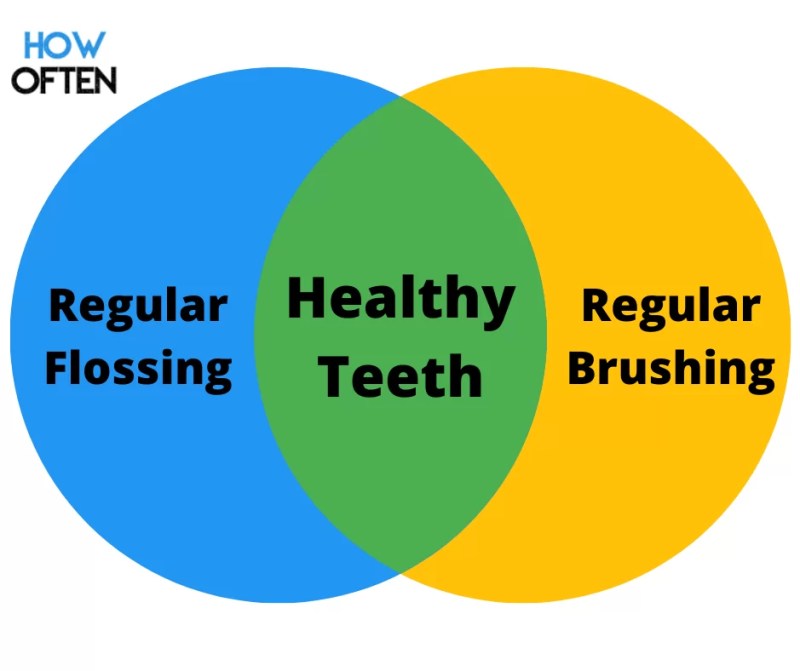
In conclusion, flossing is not just an optional addition but a fundamental aspect of maintaining optimal oral health. Dental professionals advocate for flossing at least once daily due to its efficacy in removing plaque and preventing periodontal diseases. By mastering proper technique and dispelling common myths, individuals can significantly enhance their dental care routine. Investing in this simple yet powerful practice can yield benefits far surpassing the effort, ensuring a lifetime of healthy teeth and gums.
FAQ
How often should I floss my teeth?
Dental professionals recommend flossing at least once a day.
Can flossing too much harm my gums?
Flossing is essential for gum health; however, improper technique can cause bleeding. If bleeding persists, consult a dentist.


Leave a Reply