Short Answer
When it comes to enjoying a pint of Heineken, one of the world’s most recognisable beer brands, enthusiasts often find themselves contemplating not just the flavour but also the nutritional impact of their indulgence. For those keen on mindfulness in their consumption, understanding the calorie content and the nutritional breakdown of a pint of Heineken is paramount. This exploration aims to delve into the calorie count, examine the ingredients, and discern how Heineken fits into the broader tapestry of dietary choices.
1. Heineken: An Overview
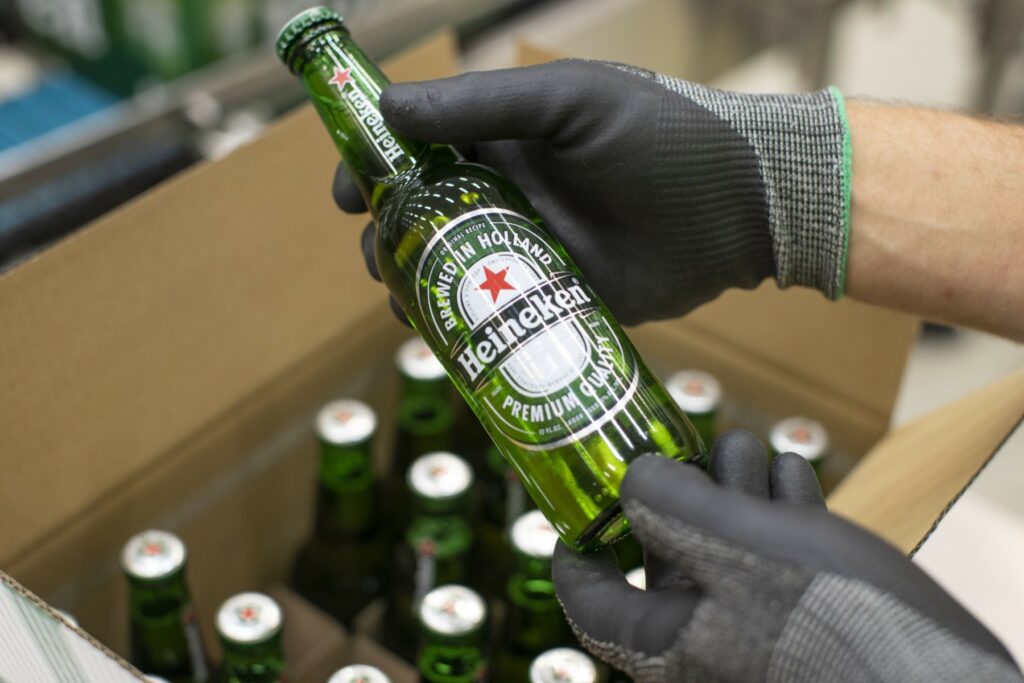
Heineken, with its iconic green bottle and red star, is a lager brewed in the Netherlands and is celebrated globally. Established in 1864 by Gerard Adriaan Heineken, this beer has transcended cultures and palates, creating a legacy unmatched by many in the beverage industry. The lager is known for its distinctive flavour profile, which is both crisp and refreshing, making it a popular choice in various social settings.
2. Caloric Content of Heineken
The caloric content of Heineken is a topic of interest for many, especially for those who are monitoring their intake. A standard pint of Heineken (approximately 568 ml) contains around 210 calories. This number can fluctuate slightly based on serving size and specific variations of the beer, but for the most part, it remains consistent across standard servings.
To place this in perspective, a pint of Heineken is generally comparable to other mainstream lagers in terms of caloric content. It is less calorie-dense than some craft beers but can be more substantial than lighter beer options. Understanding the caloric value is essential not only for those counting calories but also for the health-conscious beer drinker.
3. Nutritional Breakdown
A pint of Heineken is more than just calories; it encompasses a variety of nutrients and ingredients that contribute to its overall profile:
- Carbohydrates: A pint of Heineken typically contains around 15 grams of carbohydrates. These come primarily from the malted grains used in the brewing process and are a significant source of energy in the beer.
- Protein: While not a protein powerhouse, Heineken does contribute about 1.5 grams of protein per pint. This is a common attribute of many fermented beverages.
- Dietary Fibre: Unfortunately, beer does not contain significant dietary fibre, a factor to consider for those seeking to manage their digestive health.
- Alcohol Content: Heineken has an alcohol by volume (ABV) of around 5%. This moderate level contributes to both the caloric content and the overall experience of drinking Heineken.
4. Ingredients That Matter
The ingredients used in brewing Heineken play an integral role in its distinctive flavour profile and nutritional content. The key components include:
- Water: The foundational element of beer, water makes up the majority of the brew, affecting its overall flavour profile.
- Malted Barley: This is a primary fermentable sugar source, providing not only alcohol but also the backbone of the beer’s maltiness.
- Hops: Added for aroma and bitterness, hops also contribute a myriad of health benefits, including antibacterial properties.
- Yeast: The unsung hero of fermentation, yeast is responsible for converting sugars into alcohol and carbon dioxide, imbuing the beer with its effervescence.
5. Heineken and Dietary Choices
For those who are conscientious about their dietary habits, Heineken offers a relatively balanced choice among beers. Its moderate calorie count makes it a sensible choice for those indulging while still aiming to maintain a balanced diet. Compared to cocktails or sugary mixers, a pint of Heineken can be a more straightforward option for social engagements.
However, moderation is key. Regularly consuming high-calorie beverages can lead to unintended weight gain or nutritional imbalances. It’s vital to incorporate beer into an overall dietary plan that prioritises whole foods and balanced meals.
6. Alternatives and Variations
Heineken has expanded its repertoire in recent years by introducing alternative products aimed at health-conscious consumers. These include Heineken 0.0, a non-alcoholic beer that contains fewer calories and offers many of the same flavour notes. This option is particularly appealing for those who wish to partake without the effects of alcohol.
The spectrum of beer available today has also led to the advent of light beers, which can contain fewer calories. These options might be worth exploring for those who are particularly calorie-sensitive.
7. Conclusion: Enjoying Heineken Responsibly
In summation, enjoying a pint of Heineken does not have to be a guilty pleasure. With a caloric content of around 210 calories per pint, it stands as a moderate choice for beer lovers. Understanding its nutritional breakdown and the role it plays within a dietary framework enables individuals to make informed decisions about their beverage choices.
Furthermore, the cultural significance and historical context of Heineken enrich the experience of drinking this lager. Whether savoured with friends in a pub or enjoyed at home, Heineken represents more than just a drink — it is imbued with a sense of occasion and camaraderie. As with all alcoholic beverages, the key lies in moderation and awareness of one’s consumption. Cheers!
FAQ
How many calories are in a pint of Heineken?
A standard pint of Heineken contains approximately 210 calories.
What ingredients are in Heineken beer?
Heineken is brewed with water, malted barley, hops, and yeast.
Is there a low-calorie alternative to Heineken?
Yes, Heineken 0.0 is a non-alcoholic beer option with fewer calories.
Does Heineken contain dietary fiber?
No, Heineken does not contain significant dietary fiber.
What is the alcohol content of Heineken?
Heineken has an alcohol by volume of about 5%.




Leave a Reply